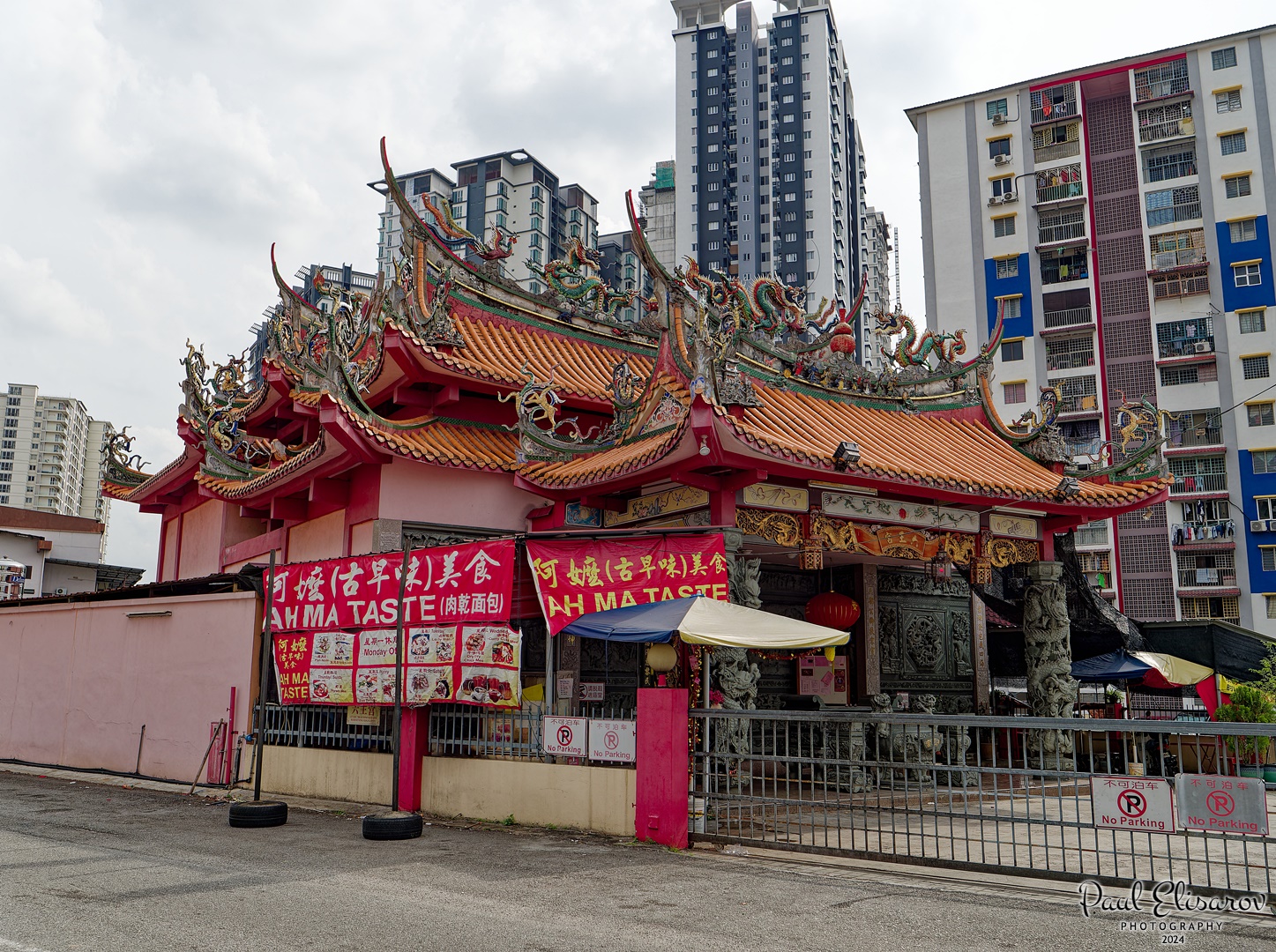
Hidden Gems: The Small Chinese Temples of KL
Beyond the gleaming towers and bustling streets of Kuala Lumpur, in the quiet spaces between shop lots and down unassuming lanes, the city holds a different kind of pulse. It is not in the grand, postcard-famous temples, but in the humble, neighborhood miaos—the smaller Chinese temples that are stitched into the very fabric of the suburbs. These are the hidden gems that map apps point to with a simple pin; places you find not by tour bus, but by a curious turn down a side street, drawn by a glimpse of crimson and the faint, sweet scent of sandalwood.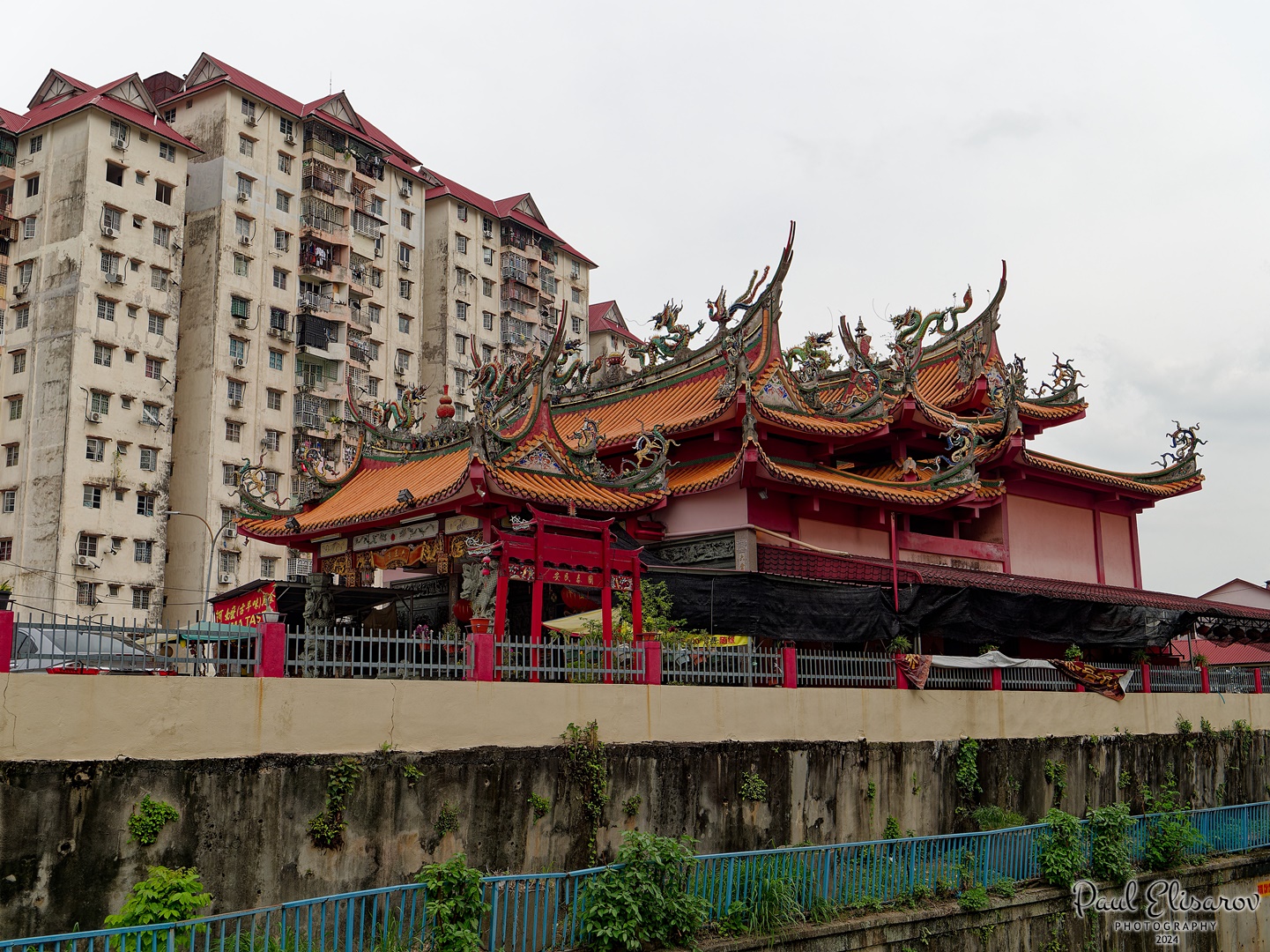 They announce themselves quietly: a rooftop adorned with ceramic dragons frozen in mid-coil, their colored scales peeking above a modern awning. A single red pillar flanking a narrow doorway, where the sound of the city momentarily fades into the soft flicker of oil lamps. To step inside is to cross a threshold into a pocket of timeless serenity. The air is warm and hazy with incense smoke, curling in graceful ribbons towards ceilings darkened by decades of devotion. Here, the divine feels intimately close. Altars glow with the light of red electric bulbs, illuminating the kind, stern, or benevolent faces of deities carved from dark wood, their robes painted in faded gold and azure.
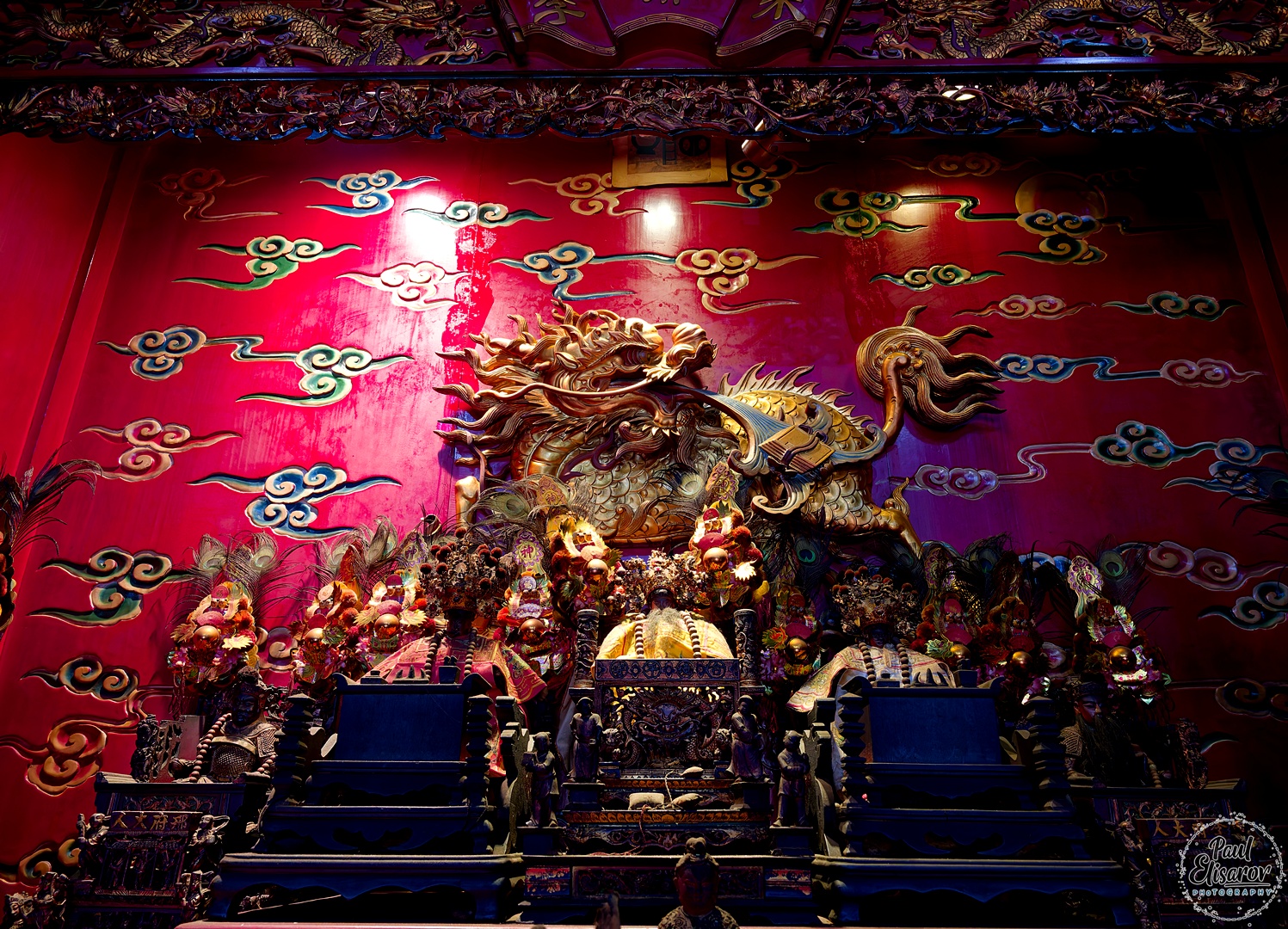 These temples are living diaries of their communities, built by the hands of early Chinese settlers who arrived in waves during the 19th and early 20th centuries. They came not as a monolith, but as distinct dialect groups—the Hokkiens, Cantonese, Hakkas, Teochews, and Hainanese. Each group brought with them not just their language and trades, but their specific patron gods and ancestral customs from their home provinces in southern China. A temple in a Hakka neighborhood might feel subtly different in its ambiance and deity emphasis from one built by the Cantonese a few streets over. This patchwork of origins is the foundational layer of their story.
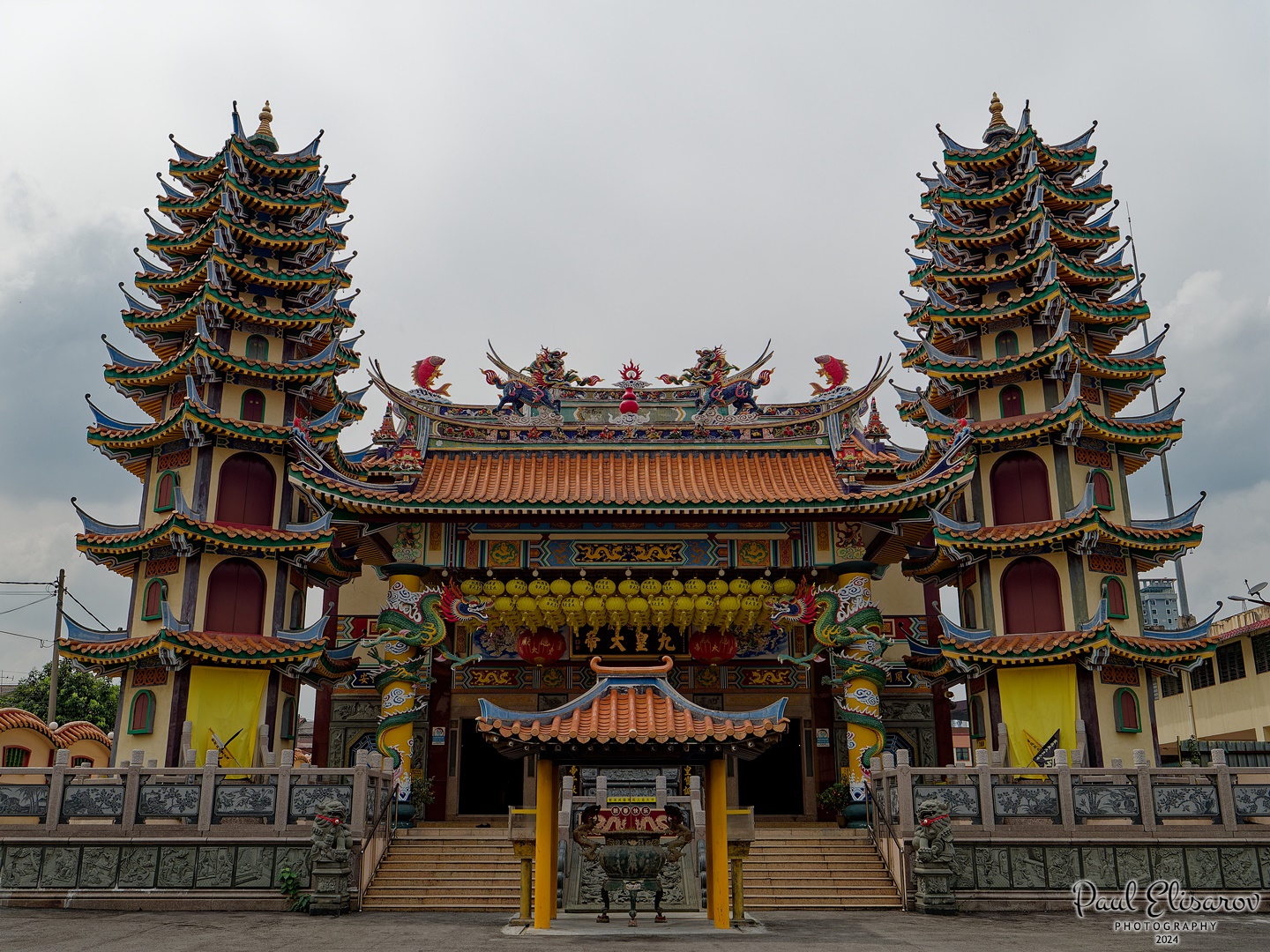 The smaller temples of Kuala Lumpur serve as intimate courts for a diverse pantheon of deities, each embodying specific virtues, providing for earthly needs, and reflecting the hopes of the communities that built them. Stepping before each altar is an encounter with a different aspect of life, history, and divine protection.
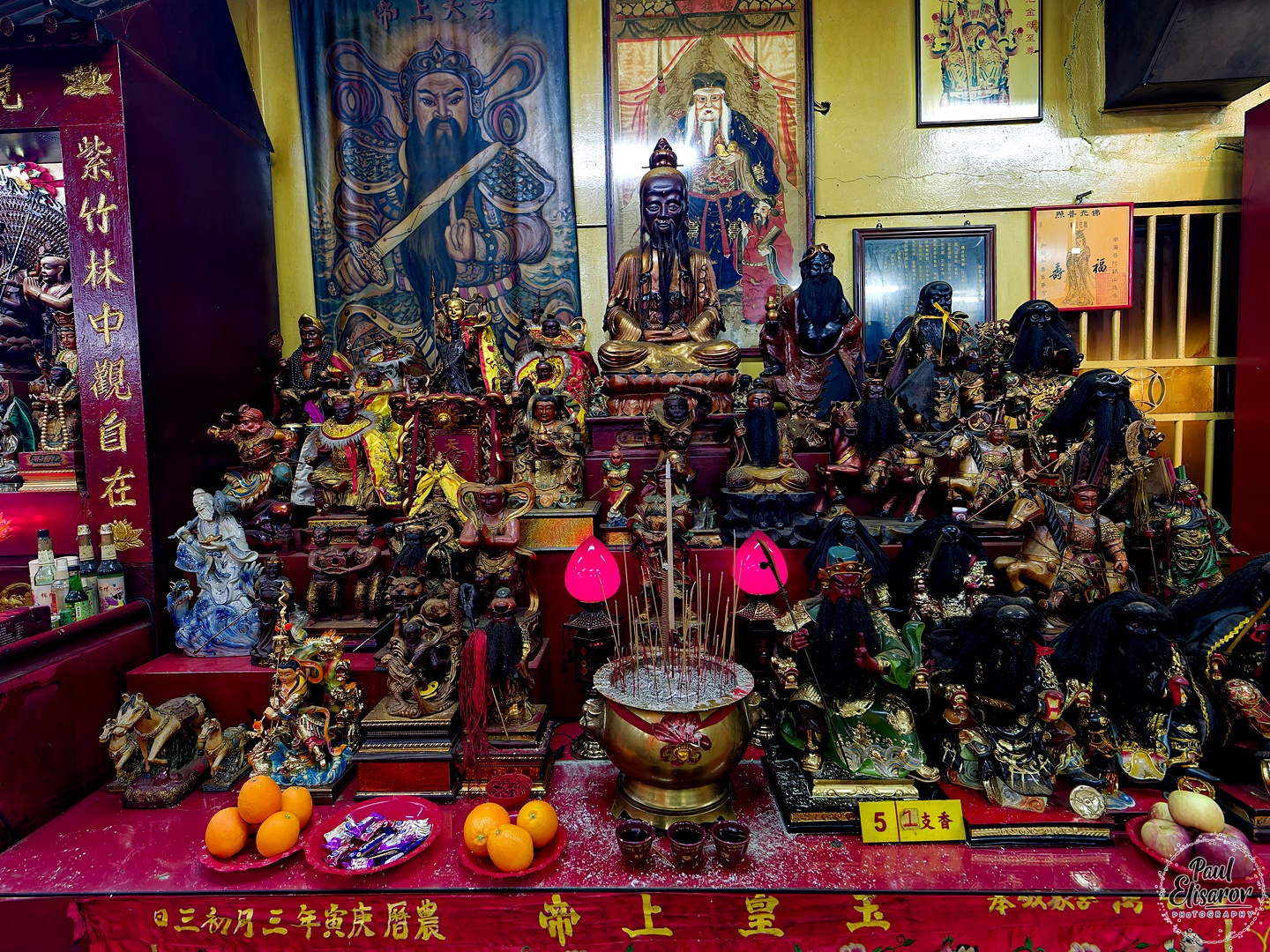 Guanyin (Goddess of Mercy)
The most universally revered figure, Guanyin, is the embodiment of compassion. Her serene, often white-robed statue, sometimes with a thousand arms to reach out to all who suffer, offers a calm refuge. Devotees pray to her not for specific favors, but for comfort, healing, and relief from sorrow. In the smoky quiet of a small temple, her presence is a gentle assurance that no cry for help goes unheard, making her altar a place for quiet contemplation and release from worldly burdens.
Guanyin (Goddess of Mercy)
The most universally revered figure, Guanyin, is the embodiment of compassion. Her serene, often white-robed statue, sometimes with a thousand arms to reach out to all who suffer, offers a calm refuge. Devotees pray to her not for specific favors, but for comfort, healing, and relief from sorrow. In the smoky quiet of a small temple, her presence is a gentle assurance that no cry for help goes unheard, making her altar a place for quiet contemplation and release from worldly burdens.
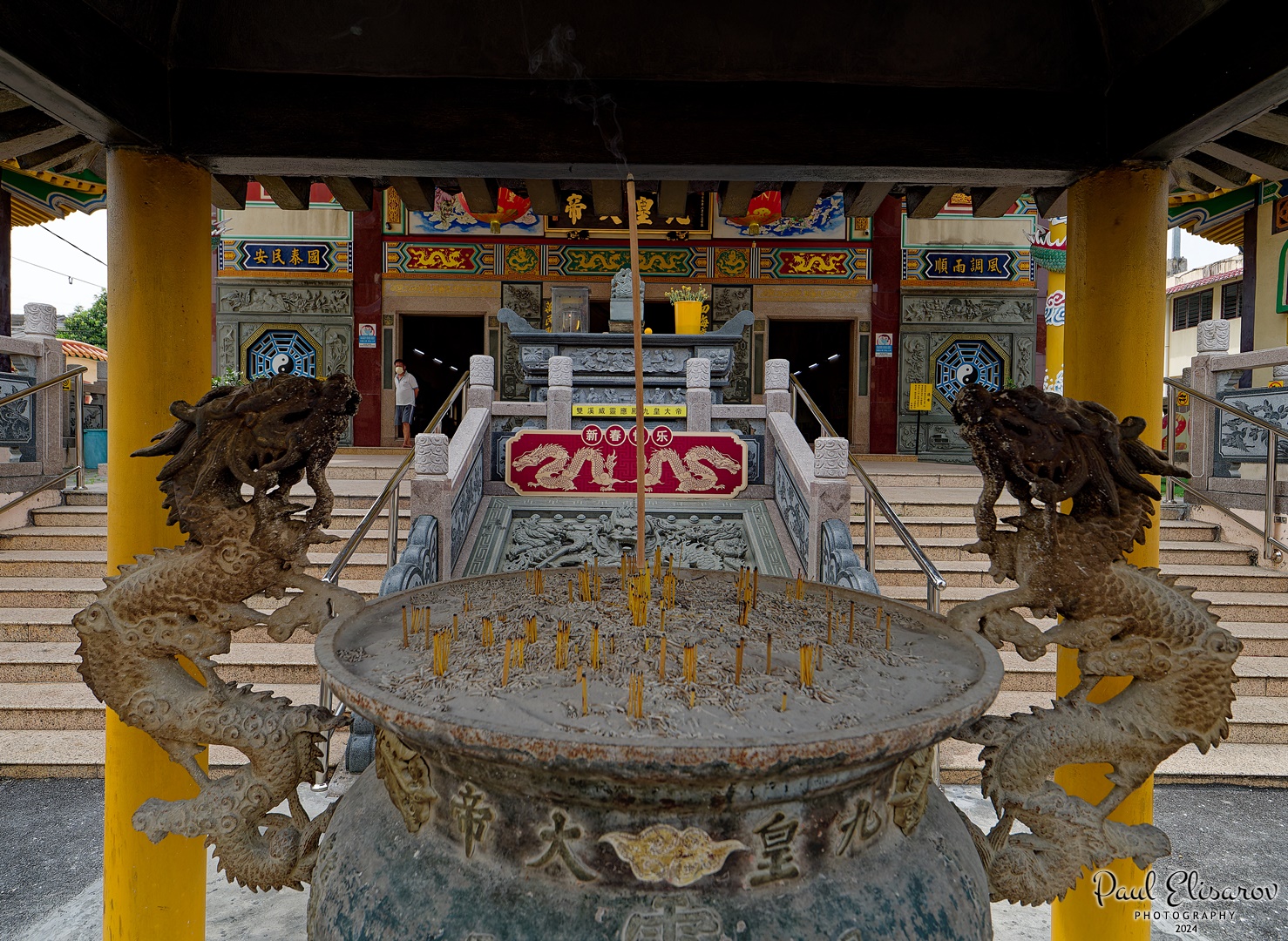 Guan Yu (God of War and Righteousness)
Instantly recognizable with his fiery red face, long beard, and formidable guandao blade, Guan Yu is a paradox. He is the deified historical general symbolizing unwavering loyalty, martial prowess, and, crucially, righteousness in business. For the merchant communities who built many early temples, he was the divine enforcer of oaths and contracts. Prayers to him are for protection, courage, and, above all, integrity—a reminder that true strength is rooted in honor.
Guan Yu (God of War and Righteousness)
Instantly recognizable with his fiery red face, long beard, and formidable guandao blade, Guan Yu is a paradox. He is the deified historical general symbolizing unwavering loyalty, martial prowess, and, crucially, righteousness in business. For the merchant communities who built many early temples, he was the divine enforcer of oaths and contracts. Prayers to him are for protection, courage, and, above all, integrity—a reminder that true strength is rooted in honor.
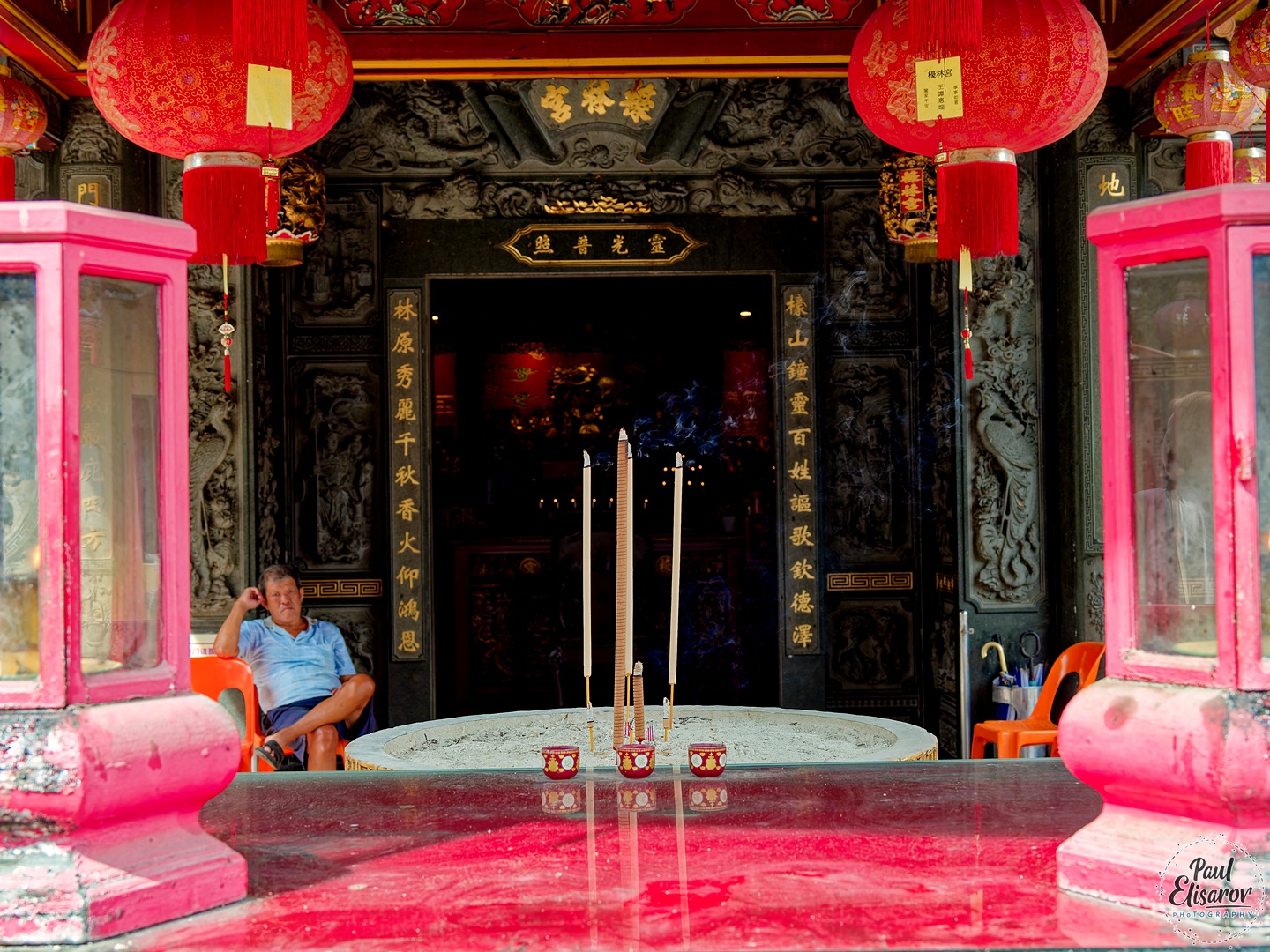 Mazu (Goddess of the Sea)
For the descendants of seafaring communities from Fujian and Guangdong, Mazu is the compassionate savior. As the deified maiden Lin Mo Niang, she is the protector of sailors and fishermen. In landlocked KL, her role has gracefully expanded to become a guardian of all travelers and a general protector. Her altar, often featuring a crown and flowing robes, represents a deep cultural memory of perilous journeys across the seas to a new home, and her enduring promise of safe passage.
Mazu (Goddess of the Sea)
For the descendants of seafaring communities from Fujian and Guangdong, Mazu is the compassionate savior. As the deified maiden Lin Mo Niang, she is the protector of sailors and fishermen. In landlocked KL, her role has gracefully expanded to become a guardian of all travelers and a general protector. Her altar, often featuring a crown and flowing robes, represents a deep cultural memory of perilous journeys across the seas to a new home, and her enduring promise of safe passage.
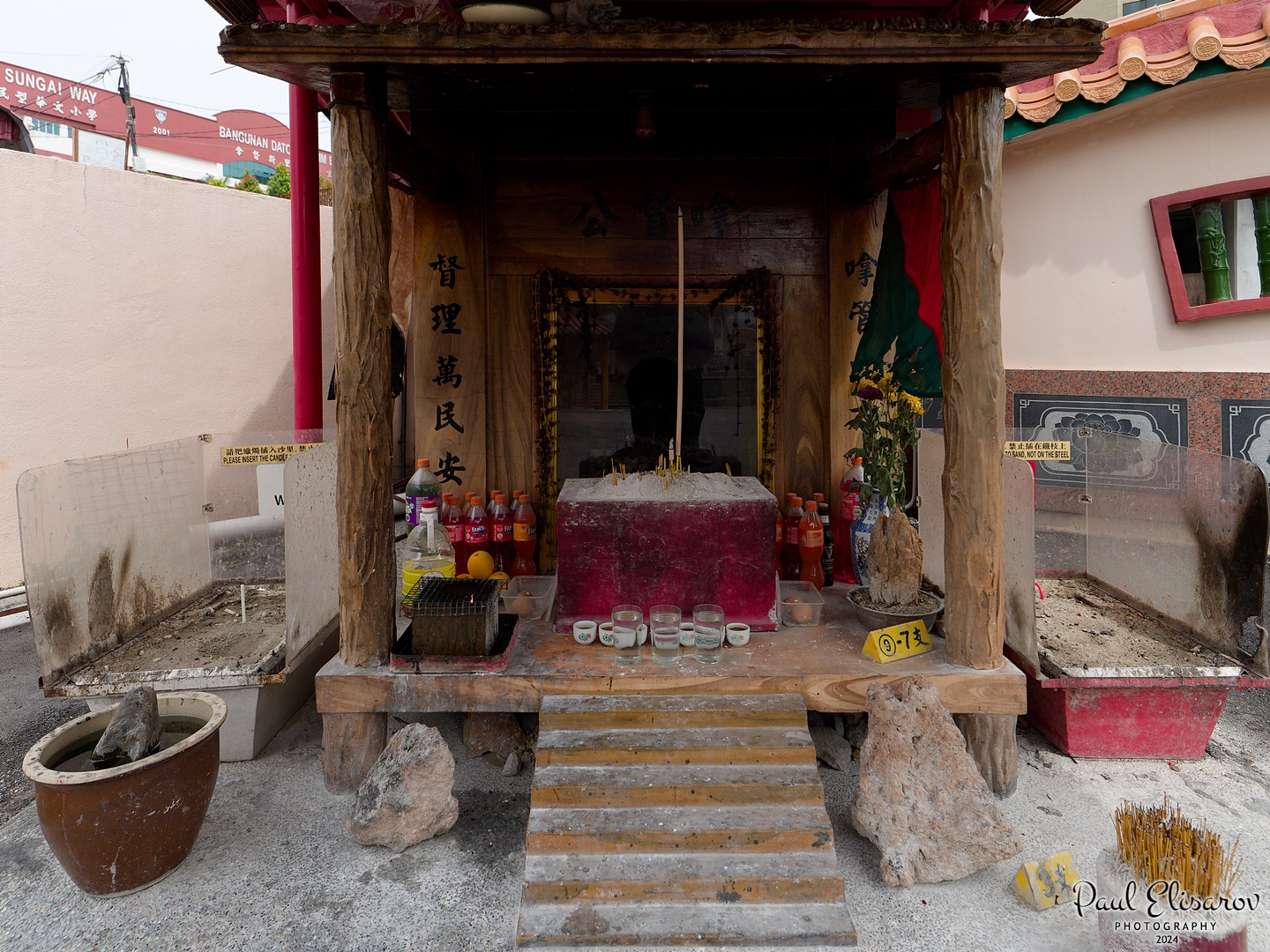 Tua Pek Kong (God of Prosperity)
A uniquely Southeast Asian deity, Tua Pek Kong is the benevolent, grandfatherly figure of earthly fortune. With his kind smile and often depicted holding a gold ingot, he is not a distant cosmic force but a familiar, approachable patron. Worshippers seek his favor for business success, financial stability, and general well-being. His widespread veneration in Malaysian and Singaporean temples underscores the practical hopes and gratitude of the Chinese diaspora for prosperity in their adopted lands.
Tua Pek Kong (God of Prosperity)
A uniquely Southeast Asian deity, Tua Pek Kong is the benevolent, grandfatherly figure of earthly fortune. With his kind smile and often depicted holding a gold ingot, he is not a distant cosmic force but a familiar, approachable patron. Worshippers seek his favor for business success, financial stability, and general well-being. His widespread veneration in Malaysian and Singaporean temples underscores the practical hopes and gratitude of the Chinese diaspora for prosperity in their adopted lands.
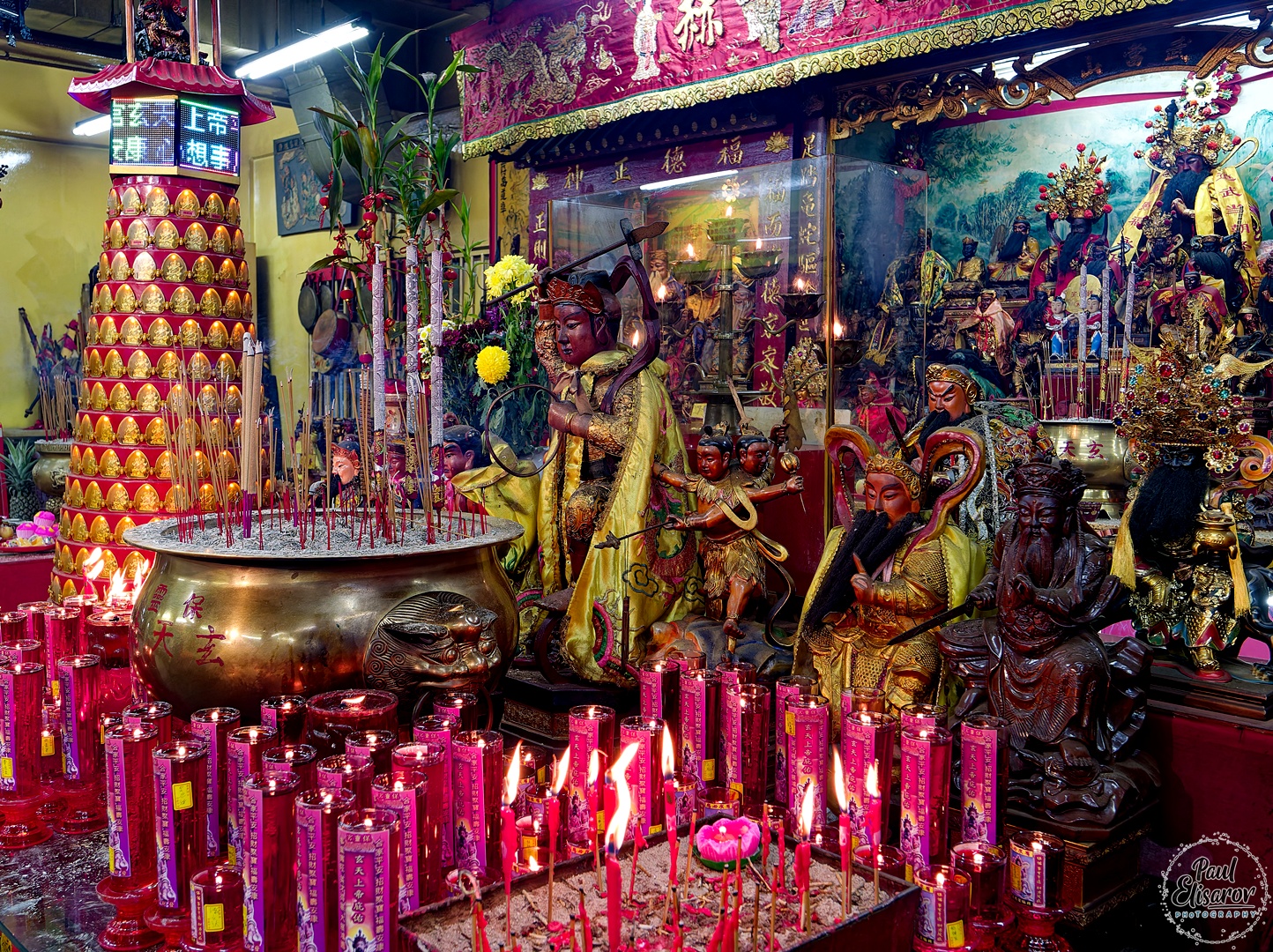 Tu Di Gong (God of the Land)
The humblest yet most omnipresent deity. Tu Di Gong is the guardian spirit of a specific locality—a neighborhood, a street, or a single building. His small shrine, often at the base of a tree or by a temple wall, features an elderly couple. He is the divine landlord, the first spirit informed of any arrival or departure. Offering incense to him is an act of respect for the land itself, a ritual to seek harmony and permission for one's endeavors within his domain.
Tu Di Gong (God of the Land)
The humblest yet most omnipresent deity. Tu Di Gong is the guardian spirit of a specific locality—a neighborhood, a street, or a single building. His small shrine, often at the base of a tree or by a temple wall, features an elderly couple. He is the divine landlord, the first spirit informed of any arrival or departure. Offering incense to him is an act of respect for the land itself, a ritual to seek harmony and permission for one's endeavors within his domain.
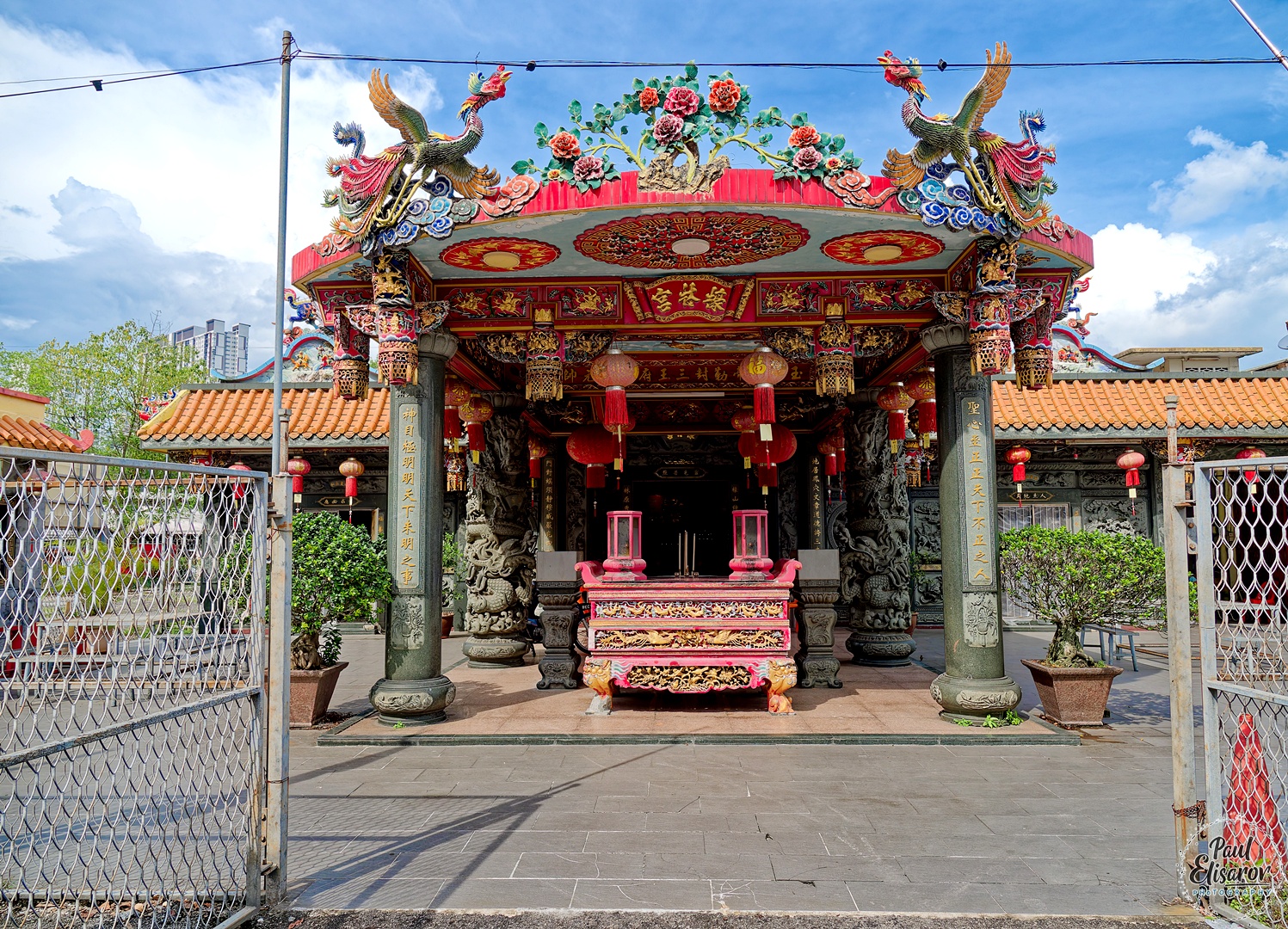 Datuk Gong (The Local Earth Spirit)
This is a profound testament to cultural fusion. Datuk Gong is not a Chinese deity but a local Malay earth spirit, often believed to be the guardian of a particular place, sometimes a historical Malay figure. His small, distinct shrine—often red, sometimes featuring a songkok (cap) or yellow cloth—is found within Chinese temple compounds. Offerings exclude pork and include betel nut and coffee. Worshipping him represents a deep-rooted respect for the native spiritual landscape, a ritual of harmony with the land and its original guardians.
Datuk Gong (The Local Earth Spirit)
This is a profound testament to cultural fusion. Datuk Gong is not a Chinese deity but a local Malay earth spirit, often believed to be the guardian of a particular place, sometimes a historical Malay figure. His small, distinct shrine—often red, sometimes featuring a songkok (cap) or yellow cloth—is found within Chinese temple compounds. Offerings exclude pork and include betel nut and coffee. Worshipping him represents a deep-rooted respect for the native spiritual landscape, a ritual of harmony with the land and its original guardians.
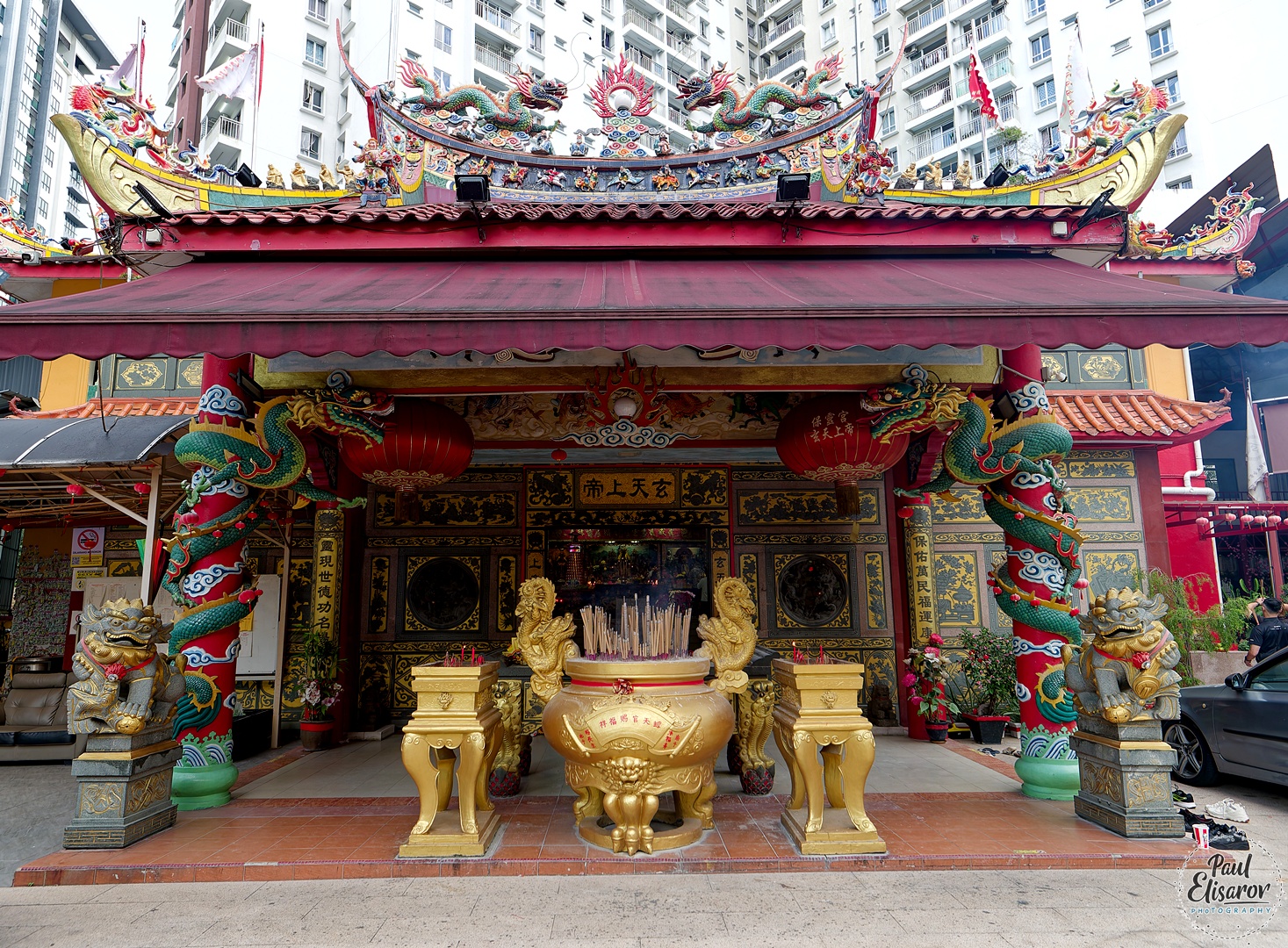 The Sever Dragon Emperors (龍王)
Ruling over the forces of water, weather, and the celestial directions, the Sever Dragon Emperors are powerful celestial kings. Each is associated with a color, a body of water (seas, lakes, rivers), and a direction. They are invoked for rain, for protection from floods, and for balance in the natural world. In the context of the diaspora, prayers to them connect to ancestral anxieties about monsoon journeys and the need for climatic harmony for agricultural and communal stability. Their presence elevates the temple from a local hub to a place connected to the vast, ordered cosmos.
The Sever Dragon Emperors (龍王)
Ruling over the forces of water, weather, and the celestial directions, the Sever Dragon Emperors are powerful celestial kings. Each is associated with a color, a body of water (seas, lakes, rivers), and a direction. They are invoked for rain, for protection from floods, and for balance in the natural world. In the context of the diaspora, prayers to them connect to ancestral anxieties about monsoon journeys and the need for climatic harmony for agricultural and communal stability. Their presence elevates the temple from a local hub to a place connected to the vast, ordered cosmos.
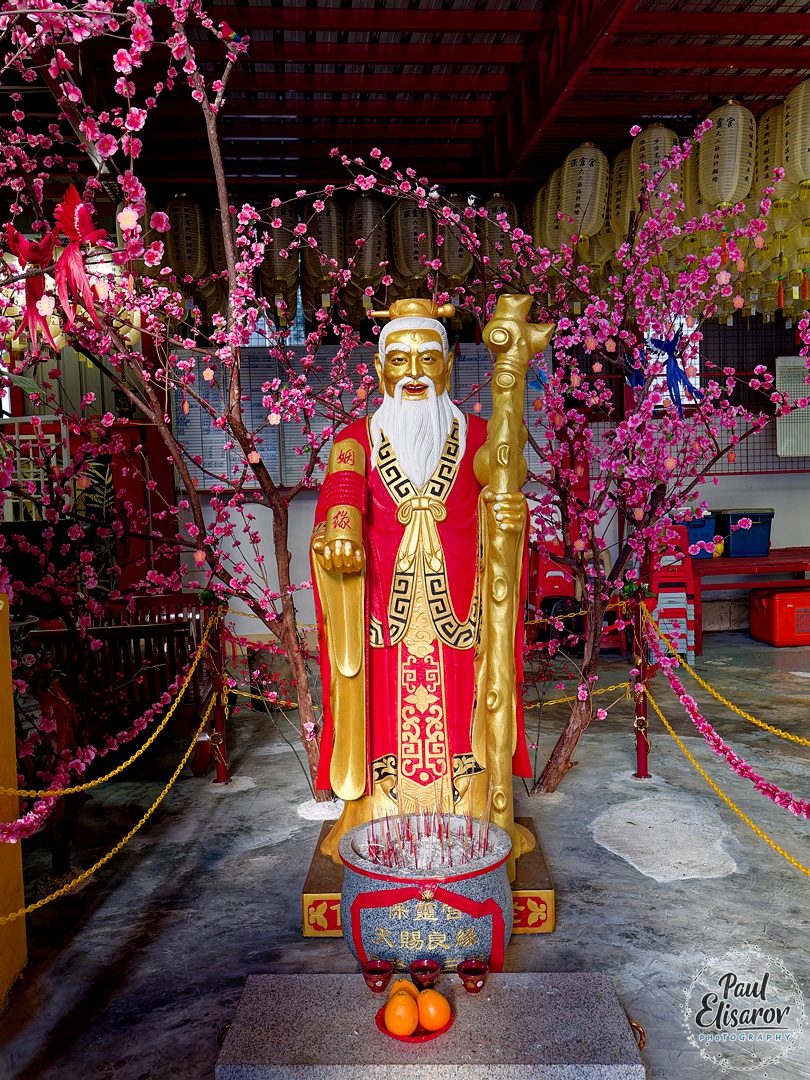 This diverse assembly—from compassionate bodhisattvas to deified generals, from prosperity gods to local spirits—reveals a complete spiritual ecosystem within the temple walls. It addresses every human concern: mercy, justice, safety, wealth, harmony with the immediate land, and respect for the cosmic order, making each small temple a microcosm of a complex and adaptive worldview.
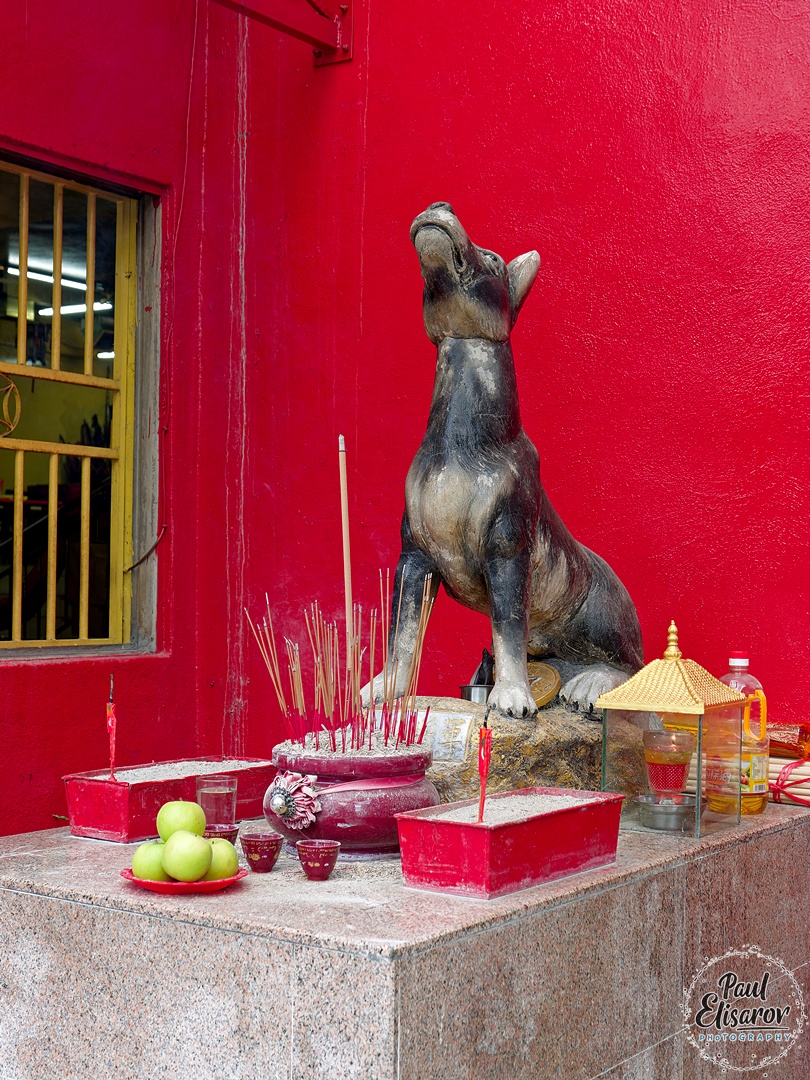 These temples are not museums, but living rooms for the spirit. The walls are layered with memory—century-old calligraphy plaques hanging beside thank-you notes from last year, glossy photographs of restoration ceremonies next to handwritten prayer lists. You might find a lone guardian sweeping the courtyard, or an auntie arranging oranges as an offering, her movements practiced and peaceful. In the afternoon stillness, the only sounds are the murmur of a passing prayer, the click of divination blocks, and the distant, muffled hum of KL's traffic—a world away, yet just beyond the door.
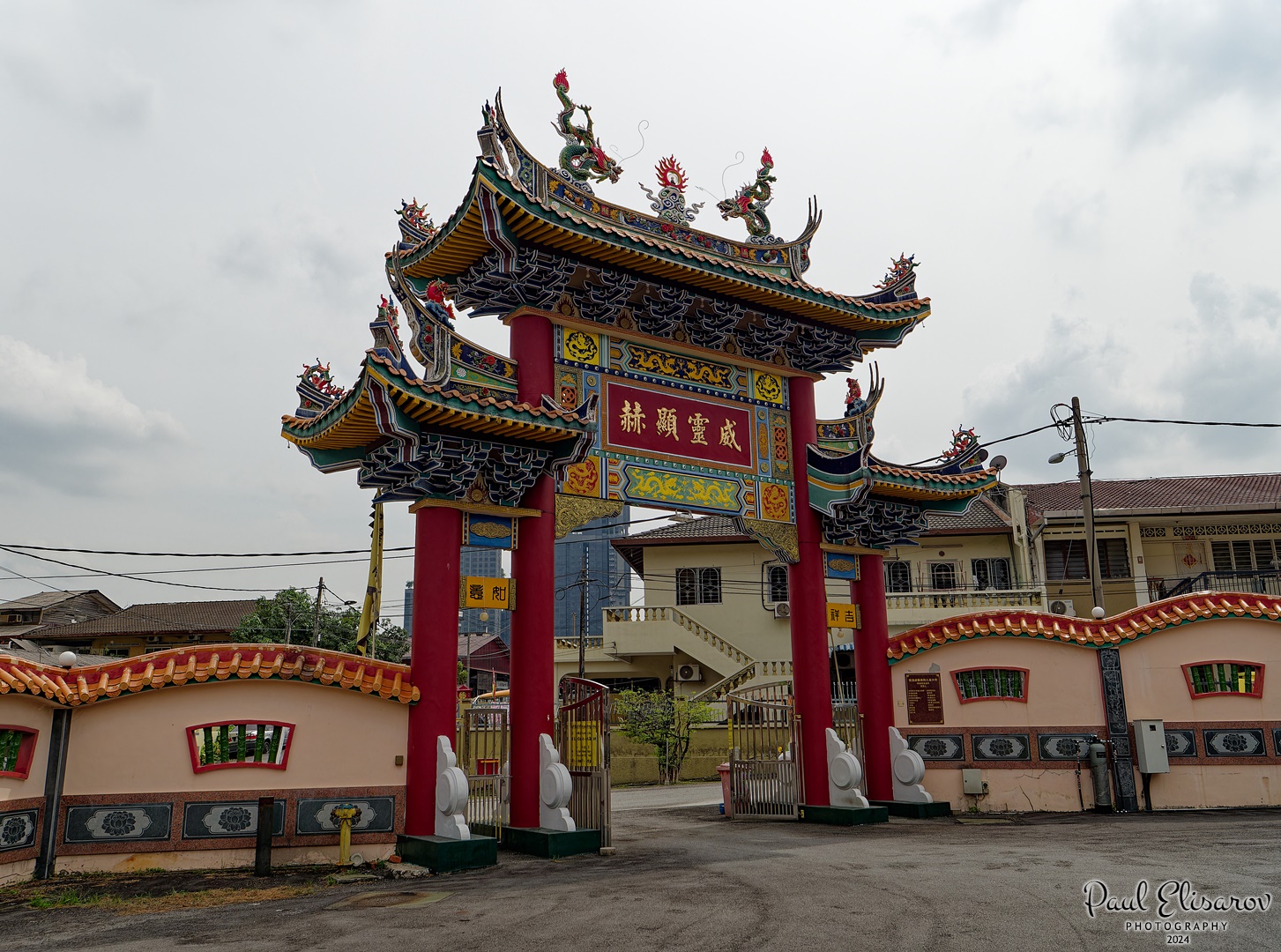 Their beauty is not in grandeur, but in detail: in the crackle of ancient glaze on a rooftop figurine, in the smooth, cool touch of a stone altar worn by countless hands, in the way the midday sun slices through the smoke, lighting up motes of dust like tiny stars.
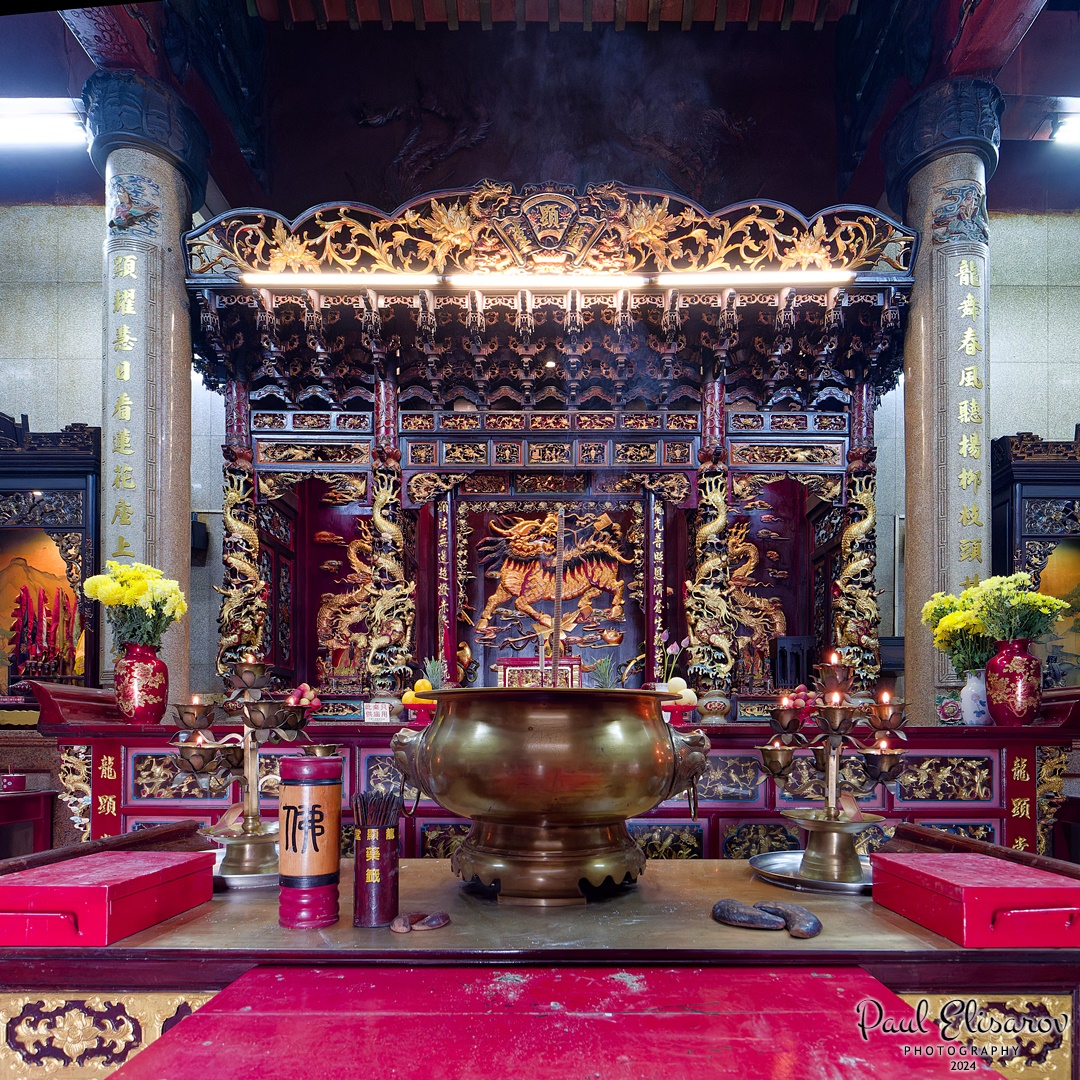 To find these temples is to see Kuala Lumpur not just as a metropolis, but as a mosaic of quiet sanctuaries. They are the city's whispered prayers, places where tradition turns not on a grand scale, but in the quiet rhythm of daily incense, a place of solace waiting patiently in plain sight, just off the main road.
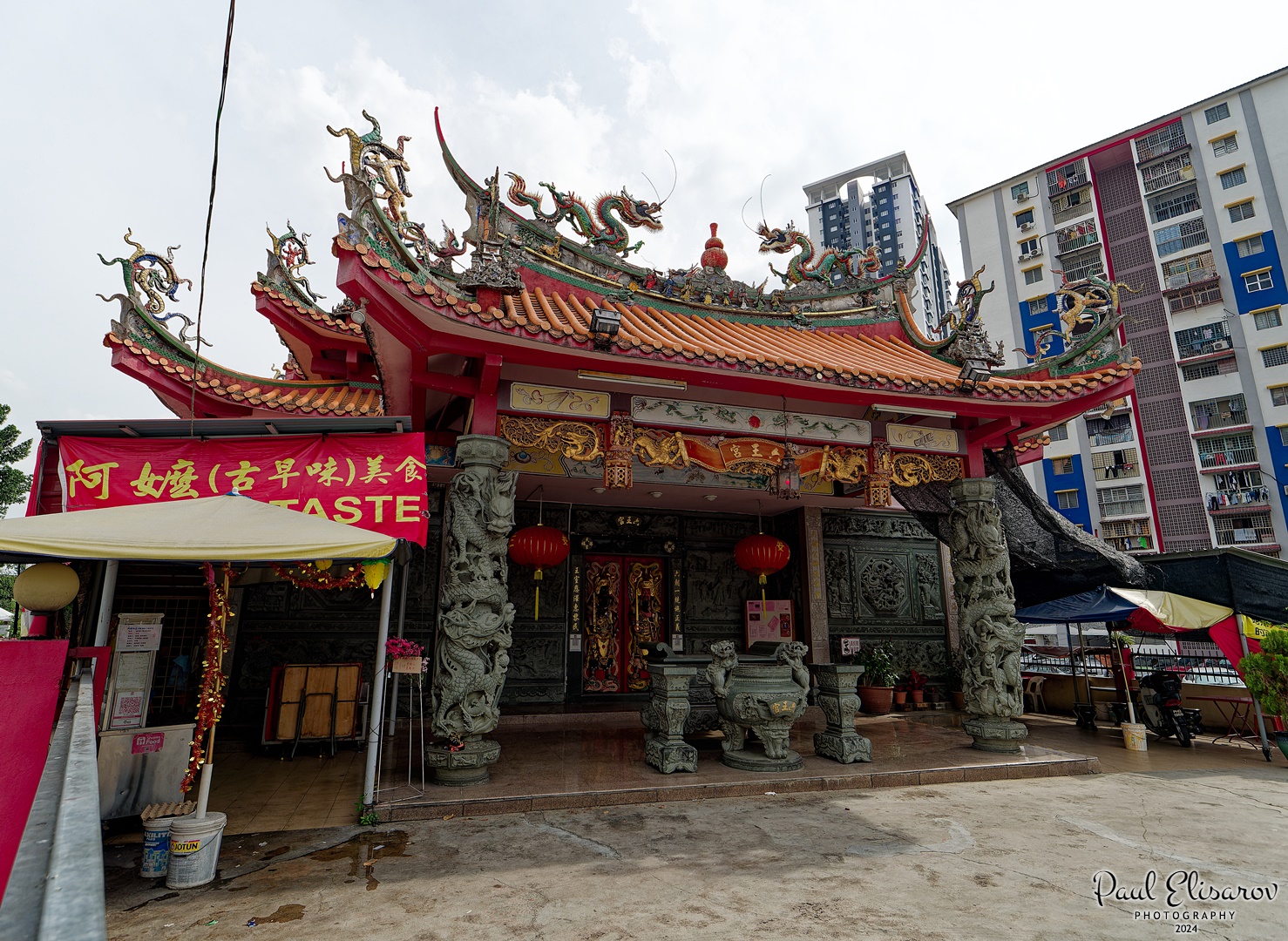 Remember, you're a guest in a living place of worship. Dress modestly, observe quietly, and always ask before taking photos of people or altars. Though, I never got even a single "no". But for that you need to use magic - smile! There's a jest goes that the most powerful deity in any neighborhood temple can come in a form of the elderly caretaker auntie; make her angry, and you might find your prayers mysteriously getting lost in the incense smoke, or even not your prayers but you yourself!
869 views