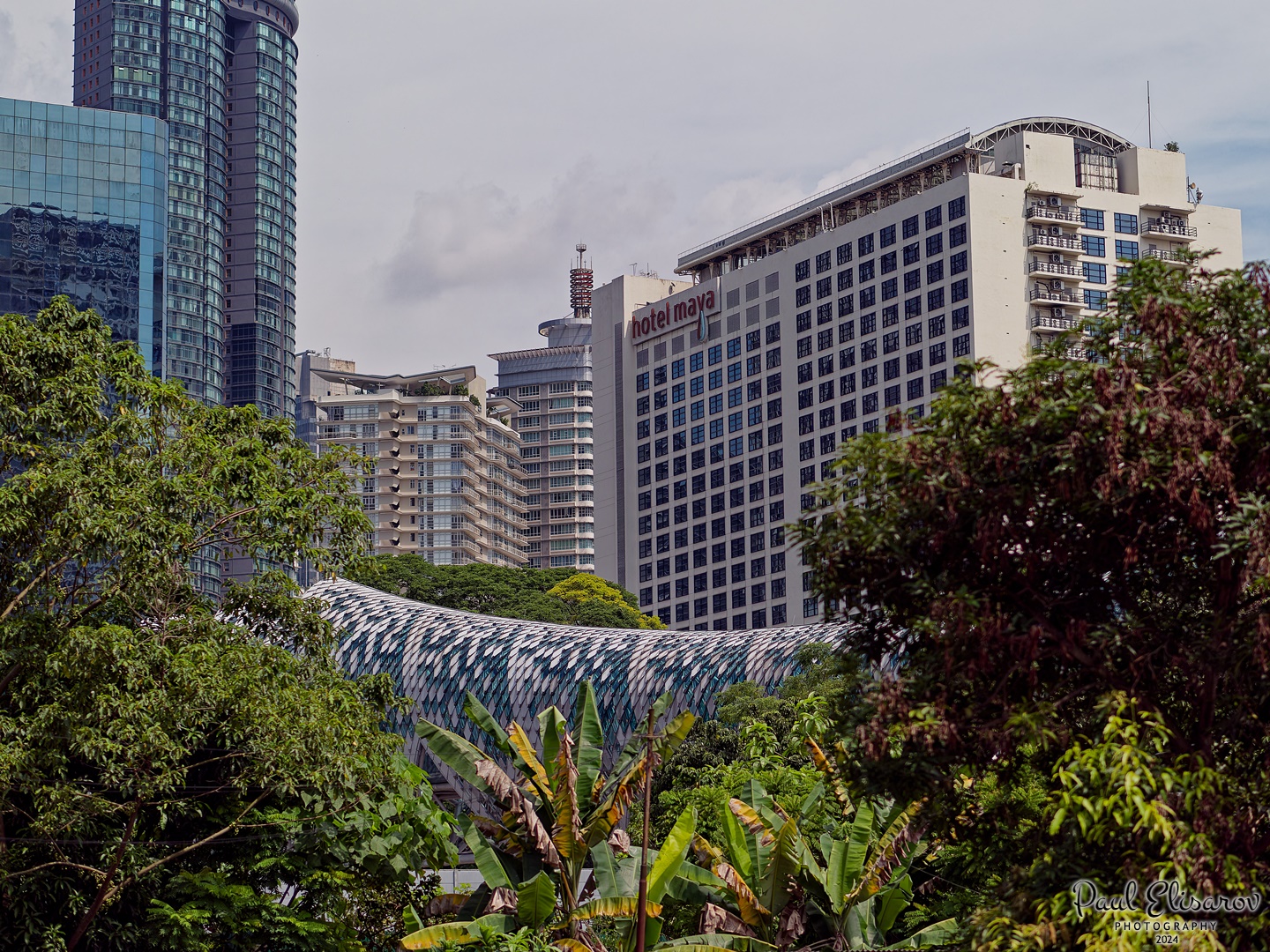
Features of Life in Kuala Lumpur
I have been living in Kuala Lumpur for 3 years now. I really like life in the city. Often, simply walking down the street, being in a car, strolling through one of the many shopping malls, or visiting a Taoist or Buddhist temple, I catch myself thinking, "It's really so great here!" I am very grateful to the gods that I can live in such a cool place as Kuala Lumpur. However, not everything in this city is familiar or convenient. Today I want to talk about the features of life in Kuala Lumpur. For balance, I'll do it like this – after telling about one positive feature, I'll tell about a negative one. Let's go!
 Positive: Malaysia is a leader in the global trust rating among people. This is really great; it's customary to trust people here. This is expressed in a very relaxed attitude towards everything. For example, we rented a car. We agreed on the price and the car via WhatsApp, it was delivered to our building entrance, we paid the rental fee and a small deposit for possible fines in cash, and that was it – no contract, no deposit for the car itself. They simply left it with us, and then, at the agreed time, after contacting us again on WhatsApp, they came and picked it up, promising verbally to return the deposit within 3 days. And they did.
Buying a car happens just as "informally." We verbally agreed to buy it, looked at it, took it for a test drive, and said we'd take it. They simply gave us a bank account number and said – transfer the full amount there. Even before we transferred anything, reports about the technical inspection, about the insurance for this car in our name started coming to us. Simply based on the fact that we just said we'd take it. We went to the bank and deposited the cash we had into the specified account – again, without any contract! A couple of days later, they took us to the local police station, where we just waited about 15 minutes while they registered the car in our name, and that was it! I was simply amazed by such a simple purchase procedure without the numerous and multi-hour contract signings, papers, and signatures customary in Russia!
Positive: Malaysia is a leader in the global trust rating among people. This is really great; it's customary to trust people here. This is expressed in a very relaxed attitude towards everything. For example, we rented a car. We agreed on the price and the car via WhatsApp, it was delivered to our building entrance, we paid the rental fee and a small deposit for possible fines in cash, and that was it – no contract, no deposit for the car itself. They simply left it with us, and then, at the agreed time, after contacting us again on WhatsApp, they came and picked it up, promising verbally to return the deposit within 3 days. And they did.
Buying a car happens just as "informally." We verbally agreed to buy it, looked at it, took it for a test drive, and said we'd take it. They simply gave us a bank account number and said – transfer the full amount there. Even before we transferred anything, reports about the technical inspection, about the insurance for this car in our name started coming to us. Simply based on the fact that we just said we'd take it. We went to the bank and deposited the cash we had into the specified account – again, without any contract! A couple of days later, they took us to the local police station, where we just waited about 15 minutes while they registered the car in our name, and that was it! I was simply amazed by such a simple purchase procedure without the numerous and multi-hour contract signings, papers, and signatures customary in Russia!
 Negative: Well, since we started talking about buying cars, let's continue on this topic. The road network in Kuala Lumpur is extremely complex. So much so that I barely understand the city's geography after living here for 3 years, even though I usually grasp where things are very easily and start navigating a city quite freely within 2 weeks, or a month at most. But here – it's a completely different matter. The road network is essentially hundreds of interchanges merging into one another; there are almost no straight roads. Often, just to make a U-turn, you have to drive several kilometers. Therefore, when going from point A to point B, you might go in one direction, but when returning, you might come from the opposite direction! At first, this just blew my mind, but then I got used to it. This is compounded by the fact that there's no proper navigation app here. Locals use the WAZE app, but it's just a terrible navigator with a very inconvenient interface that doesn't indicate which lanes to take, which is often critical here. Plus, the road markings here follow European standards – the lanes are very narrow. And that would be fine, but there are many motorcycles that ride between lanes! And if you have a wide car, they zip by literally centimeters from your mirrors! So I would recommend those who buy a car here to get a small, agile model; believe me, you'll understand more than once that a large car size is a minus here.
 Positive: The local automotive industry. Malaysia produces two brands of cars – Proton and Perodua. Both have Japanese DNA, so to speak, and both have a generally decent and inexpensive range of models. The price of domestic models severely undercuts the prices of used foreign cars. You'd be surprised comparing used car prices here and in Moscow; here they are 2-2.5 times lower! This happens because those who need to show off buy new foreign models (which are very expensive here), while used cars here compete with the domestic auto industry, whose prices are quite democratic. Local cars are made okay, let's say. They're certainly not BMWs, but they are quite reliable, and models from 2022 onward are quite comfortable. Of course, if you take the base Perodua Axia, it will feel like a cheap car, but the Perodua Myvi or Proton Iriz are quite normal cars. And we personally really liked the Perodua Alza; its price/quality ratio is off the charts! And we would have bought it if not for the next minus.
 Negative: Waiting lists for buying cars. The local auto industry can't keep up with the flow of orders, and there are waiting lists for many models. For the Perodua Alza, the wait was 8 months! That's why we didn't buy it. We wanted to get a Perodua Myvi, and we were told that if we didn't take the most popular color (red), the wait would be 2 months. However, after 2 months, we were told we had to wait more, maybe one, two, or even three more months. After that, we canceled the order and bought a used Kia. It must be said that the wait for Proton cars is shorter, and sometimes you can even find them in stock. This is because Proton's quality was worse in the past, so locals buy more Perodua, but now Proton's quality has improved, and they are no worse than Perodua, and in general, you can buy them without worry.
 Positive: The responsiveness of locals. Unfortunately, I had an accident. While on "Crab Island," not far from Kuala Lumpur, I seriously injured my leg with a rented electric bike. By "seriously," I mean a horrifying scene with pieces of subcutaneous fat falling out of the wound and pools of blood on the asphalt. And this happened in the middle of the island, where there is no traffic except for bikes, no hospitals (only a first-aid post, and it was closed), from where you can only get to the city of Klang by ferry, which runs once every 2 hours... In short, the situation was really not funny. But the locals saved me. I was amazed at how quickly a small crowd gathered around me and how they quickly solved one problem after another. Someone gave a bottle of water to wash the wound, someone gave napkins to hold it, our bikes were taken and driven to return to the rental place on our behalf. One person put me on his bike and took me to the first-aid post, then went to get a doctor and brought him there, meanwhile another woman on foot escorted my wife and daughter there. Then, instead of the ferry, they took me to the shore on a 600-horsepower speedboat with three engines, which practically flew over the water. I am very grateful to all these people who did not spare their time to help me; without them, without their active participation, things would have been much worse for me. Of course, this was an extreme situation, but people's responsiveness here manifests in everything – your request for help is never left unanswered!
 Negative: Motorcyclists on the roads. In Kuala Lumpur, there aren't as many motorcyclists as, say, in Beijing, but there are plenty. They ride between lanes (and the lanes are narrow, remember?), sometimes whizzing by a centimeter from your car. At the same time, they don't follow the rules at all, not one bit. They can run red lights, cross any solid lines, ride on the wrong side of the road (not for long or often, but it happens). If you're driving a car, they keep you constantly on edge; you'll have to reconsider your driving habits to account for their presence.
 Positive: Automobile traffic is very calm and polite. Local car drivers are careful, calm, and polite. No one honks at you if you're "being slow," they always let you in when you signal to change lanes, no one plays games or drives faster than the flow of traffic on the roads. In this regard, traffic is very pleasant. Plus, as a bonus, left turns on red are allowed here (traffic is left-hand drive, so a left turn is a "simple" turn). Before we knew this, we always stopped at red lights, and no one, not once, honked from behind! By the way, after writing this sentence, I found out that a left turn on red is only allowed if there is a left arrow with a Malay inscription saying it's allowed. However – everywhere and always, everyone turns left, and a Malay told me that you can if there's no red arrow on the traffic light pointing left.
 Negative: Underdeveloped banking system. For us, accustomed to excellent Russian online banks, local banking applications seem something archaic and backward. Opening as many accounts as you want to separate your funds – impossible. There are a bunch of limits, separate and quite small, which you can't always even "increase": a monthly spending limit on the card, a monthly cash withdrawal limit, a daily and monthly transfer limit to others, a QR transfer limit to others (separate, yes!), and a bunch of other limits you can stumble upon very unexpectedly. When I bought myself a computer (3000 ringgit), I ran into several limits at once and had to withdraw 1000 in cash, transfer another 1000 from account to account, and pay the final 1000 directly with the card in the store. That's the kind of banking perversion here. You can also get e-wallet cards, but there's a limit on the maximum amount that can be stored on them. In short, in terms of banking services, Russia is far ahead of Malaysia (and, by the way, many other countries!). Plus, you always need to have cash on you. Here and there, you might encounter a terminal simply not accepting your card. Why – absolutely unclear, it just declines, and you need to have cash so you don't have to give up your purchase.
 Positive: Medicine. Malaysia has quite good medicine. For the reasons described above, I had to get acquainted with it closely. I visited a public hospital where an ambulance took me after my injury. And this was in the city of Klang, not even in KL itself. The hospital wasn't what you'd call luxurious, but normal – everyone in the emergency room gets beds, only relatives sit in the corridors, access isn't restricted for them, everyone understands that patients need support. Everything is quite clean and adequate. Later, I interacted with a "general practitioner" who is treating the wound on my leg. I've never seen such a comprehensive approach in Russia. Along the way, he suspected I had a chronic condition, prescribed treatment, and cured it (!), carefully familiarized himself with the characteristics of my body – in general, he made a very good impression. At the same time, the clinic I go to is paid (I go through insurance) but not a "show-off" one; besides me, I've only seen locals there. Plus, they generally don't do what they do with us, bombarding you with all sorts of useless "snake oil" and "fake-omycins" – expensive but non-working drugs like Arbidol or Oscillococcinum or Ergoferon. Here, if necessary, they will prescribe (and give you right away!) an antibiotic; if not necessary – no one will load you up with a bunch of expensive useless drugs. At the same time, in difficult cases like my wound, doctors look for non-standard treatment approaches and find the right regimen for you.
 Negative: If you have a pet, you'll run into a lot of troubles. Firstly, importing an animal is difficult and expensive. All animals must undergo quarantine, which lasts 7 days when importing from Russia, or 14 days from some other countries, say, Thailand. To organize everything, you practically have to hire an agent who will handle all matters, from meeting to paperwork and quarantine. You must definitely inform about having a pet when renting an apartment, as there are, and many, buildings that simply do not allow pets. It's especially hard for dog owners and really bad for owners of large dogs; it's easier with cats. But, for example, our cat has truly flourished here! Her fur has become fluffy and luxurious, and she clearly feels excellent here, even though she's a northern breed – a Norwegian Forest Cat. There are no problems with food, although the assortment is somewhat different. Well, of course, Royal Canin is available in full, although we switched to Bravery food (haven't seen it in Russia) – after trying it, the cat was very reluctant to finish the Royal Canin...
 Positive: Online shops. We in Russia are all used to ordering something from Ali Express from China meaning a month of waiting. Here, all that works much faster. The two main online shops here are Lazada and Shopee. There are both local sellers and Chinese ones. Ali Express also works (you need the global Ali, not the "Mail.ru" Russian one). Delivery from China takes 4-7 days. The first time I was in shock, in a good way, then I got used to it. A couple of times I ordered goods from the USA, delivery takes about a week and a half. Delivery is made to the guard post of your house, where packages are left. True, at some buildings, security doesn't take on this function, but I was lucky. Picking up packages right at the entrance to the building is very convenient! As a result, the flow of packages from online shops never dries up for me.
 Negative: Taxis at night. In general, taxis work very well here. For this, the aggregator app Grab is used. The price is fixed, payment by cash or card, everything is simple. But at night (closer to midnight) you can wait for a taxi for 20-30 minutes. Moreover, due to the complexity of the road network, the driver, on the way to you, might turn somewhere wrong, and the promised 7-minute wait turns into 20, for example. It happens that at night the cheapest taxi simply can't be ordered – no cars are found, then it's worth trying a more expensive one. Taxi prices aren't exorbitant, but they are dynamic and during peak hours increase many times over, to values you don't want to pay, well, that's like everywhere, actually.
 Positive: Cheap dining out. In Kuala Lumpur, there are cafes that are no more expensive, and possibly even cheaper, than cooking at home. There are plenty of cafes here offering a wide variety of dishes from different world cuisines. I mainly eat Chinese food. Payday we celebrate by going to Chinese Hot Pot cafes – soooo delicious, but quite expensive, and for just a meal we go down to the Chinese noodle place on the first floor of our building. Food courts in various shopping malls are very convenient, where different small cafes of various cuisines are gathered in one place – Malay, Chinese, Korean, Japanese, Vietnamese, European. Although, don't expect a great variety of European cuisine, but chicken with fries, pizza, pasta are usually there. In malls with a Japanese focus, for example in Lot10, you can enjoy real sushi or, for example, grilled unagi (eel), which is incredibly delicious.
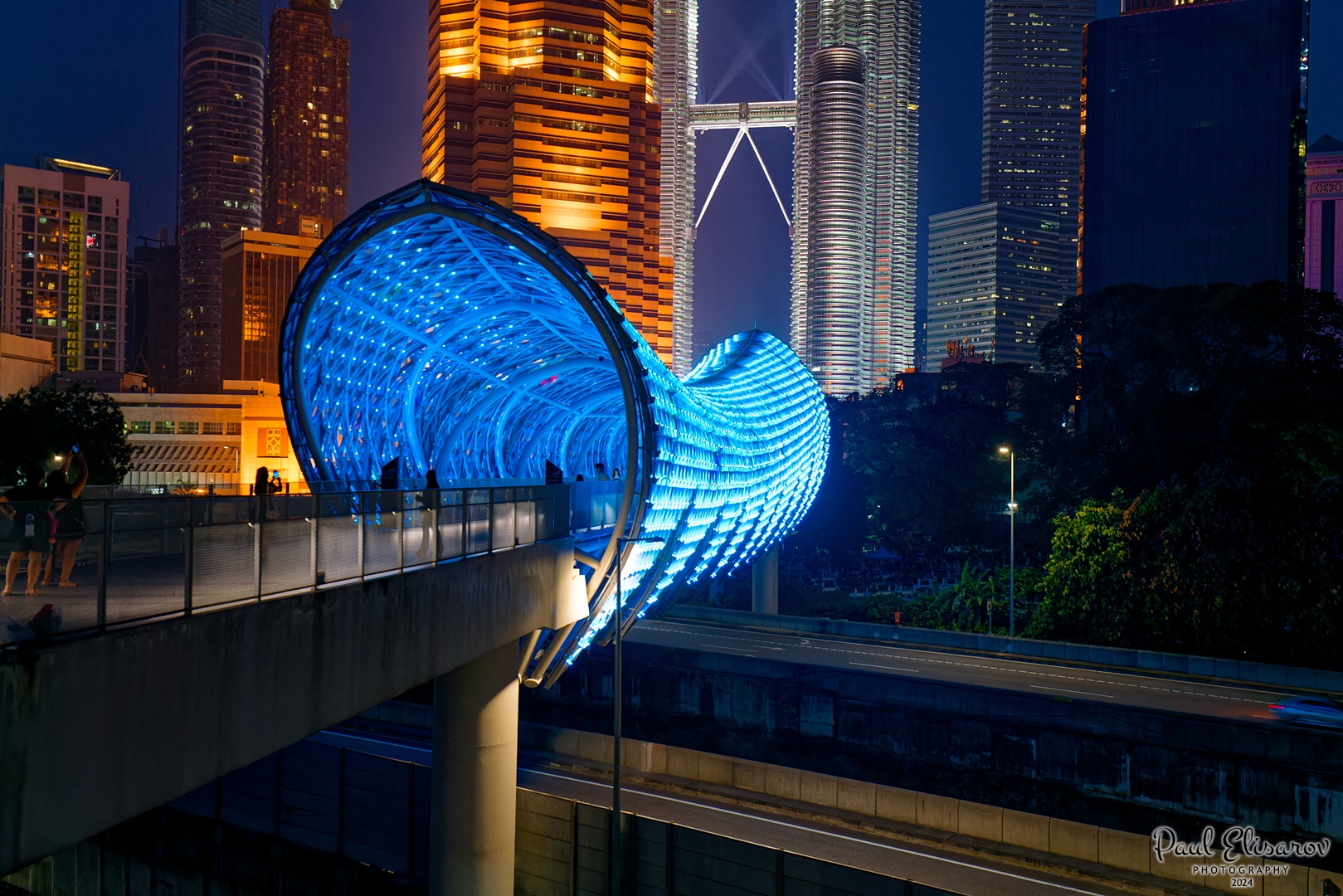 Positive: The variety of shopping malls, shops, and the richness of their assortment. Yes, yes, I know, I promised one plus for one minus. But, sorry, the minuses have run out. In Kuala Lumpur, there are very, VERY many shopping malls. And they are very diverse. They constantly organize some events, fairs, sales, concerts, etc., etc. There are so many different shops, so if in Russia any 2 large malls are similar to each other, here they are all different! There are shops from all over the world here, and that's probably why there are so many. Well, as an example – there's IKEA here, but besides it, there's the Japanese Nitori, and also SSFHome – these are shops of the same type and scale, but they are completely different! The same with grocery stores – there are different chains, they have different focuses and, accordingly, different products and different prices. Plus, there are many big and small shops selling a ton of goods whose existence people from Russia often don't even suspect. And it's very pleasant when you get used to being able to buy exactly what you need somewhere. Not buying something that you can later adapt, but immediately finding what you want. This is extremely pleasant.
 Positive: Clean air. The city is very green, but there are also plenty of cars. However, the air here is much cleaner than in Moscow. Here's how I judge that. Both in Moscow and here, we wash windows once every six months. We do it using the same robot window cleaners. In both cases, over six months, windows get covered with a layer of dirt. But in Moscow, the robot's "sock-cloths" after washing one window are directly black. Here, the same "socks" remain light gray – there's no such terrible dirt, and one pair of socks in Moscow can only wash one window, but here – three times more. And as a bonus – cars here almost don't get dirty. We've been using ours for three months now and haven't washed it yet, and it doesn't seem dirty, even though we constantly get caught in the rain. And, by the way, no winter tires and changing wheels twice a year – can you imagine!?
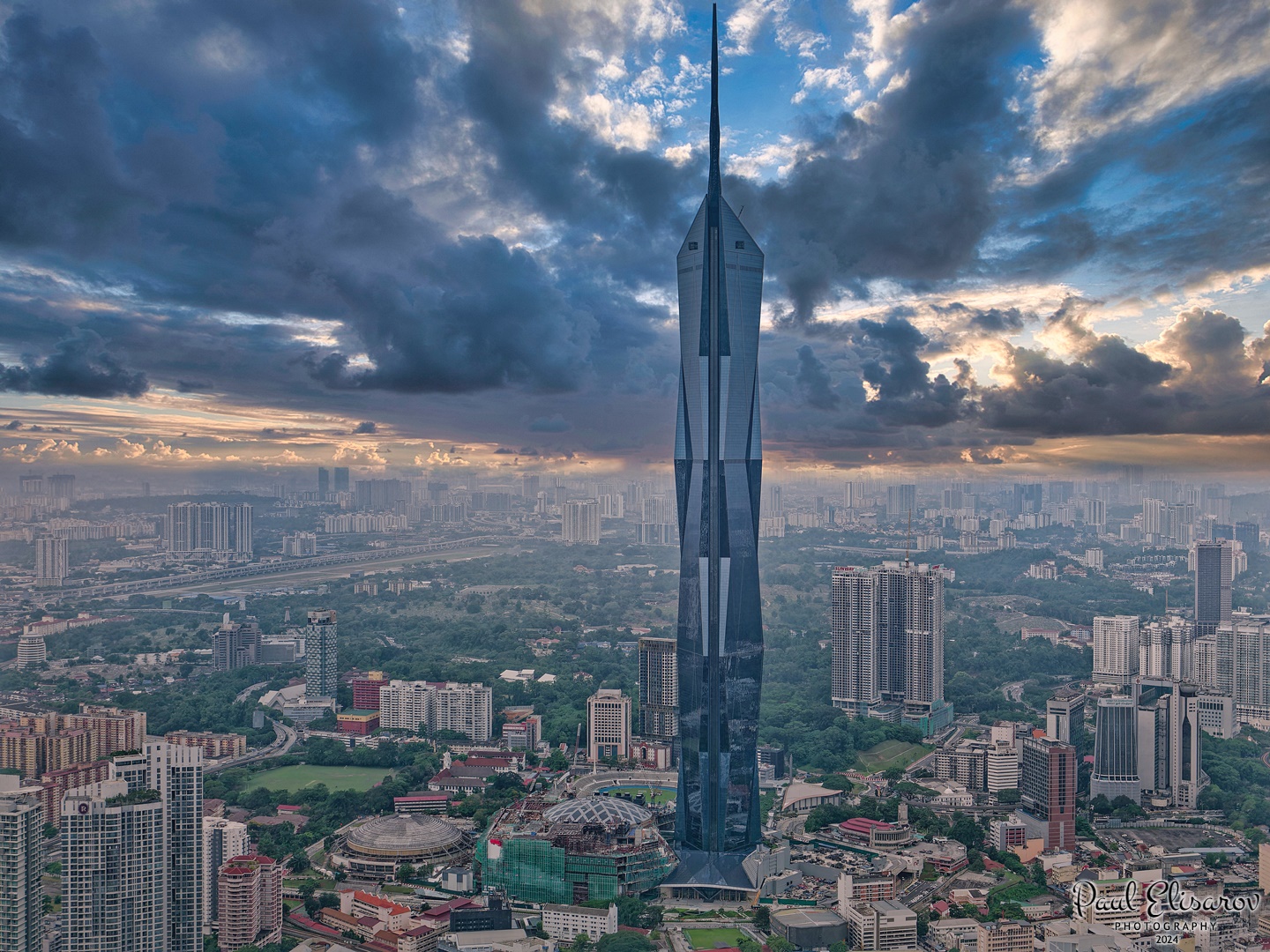 In conclusion, I'd like to add a bit about the cost of living in Kuala Lumpur. It's roughly equivalent to Moscow. That is, if you lived renting an apartment in Moscow, for the same money you can live and rent an apartment here. Of course, you'll have to change your habits, adapt to the local range of products, but, at the same time, for the same money, your standard of living here will be much higher. Here the apartment will be larger, you'll get a free pool, gym, room for gatherings and socializing with friends, a barbecue area – all that in Moscow would cost significant additional money and you'd still have to travel there! And here, all this is in your home! Although, one caveat – if you have a child, then you can forget about "the same expenses." Education here will be paid, in a private international school, and that's not cheap at all. The average price is 30,000 ringgit per semester, there are cheaper ones, and many more expensive ones. But on the other hand, you can choose a school to your liking both in terms of location and its spirit and curriculum.
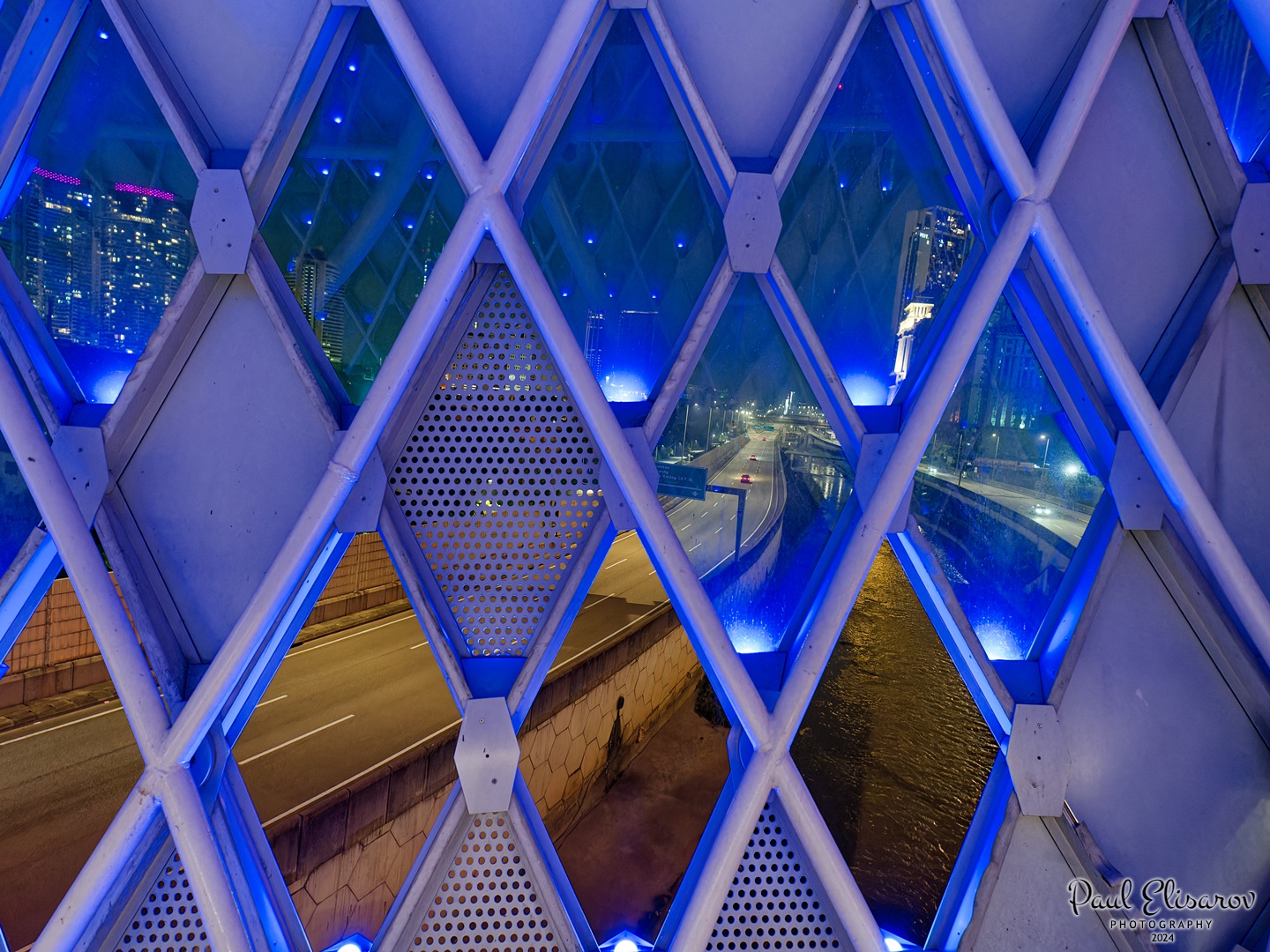 That, perhaps, concludes my story. Thank you all for your attention!
934 views