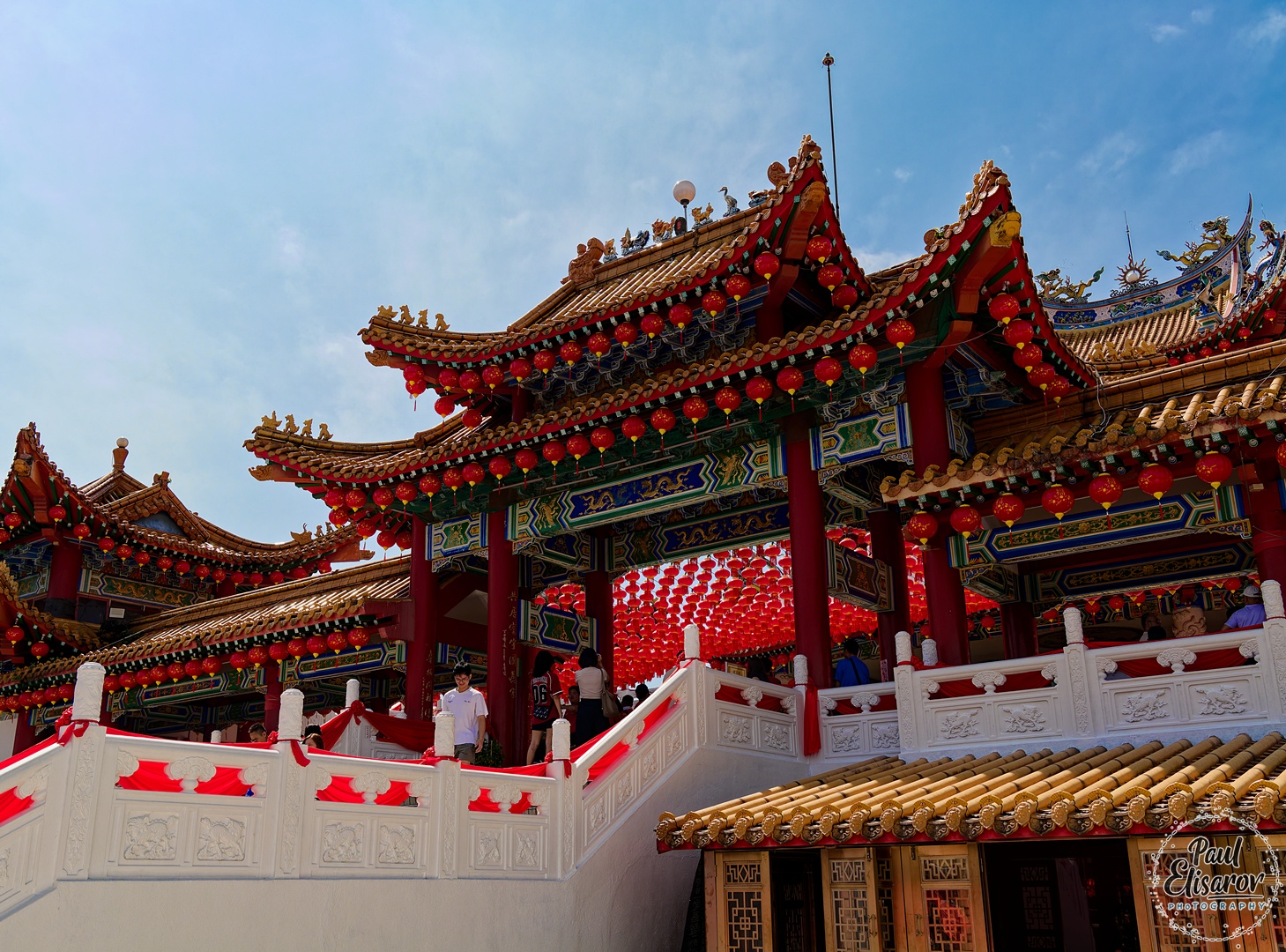
The Day the Chinese "Recharge" Their Luck
If you have ever been to China or Malaysia in the middle of the first lunar month, you have surely seen how the night city is suddenly illuminated by thousands of scarlet lanterns, and the streets fill with crowds of people going "to see the lights." This is not just a holiday; it is a moment that the Chinese consider one of the most powerful energy portals of the year. The fifteenth day of the first month according to the lunar calendar, known as the Lantern Festival or Yuanxiao Jie, is the day when the New Year ends, but at the same time, the door opens for the entire coming year. It is on this evening, according to ancient beliefs, that a person can lay the foundation for their luck, health, and well-being for the twelve months ahead. When "Heaven Descends to Earth" The Chinese tradition of this day spans more than two thousand years, and its significance has fluidly flowed through the ages, absorbing different cultural layers. As early as the Han Dynasty, the fifteenth day of the first month was associated with sacrifices to the deity Taiyi—the supreme spirit of the starry sky. It was believed that on this particular night, the heavens were especially close to the earth, and the celestial bodies were in a special harmony. Emperors would hold solemn ceremonies that lasted all night, from sunset to dawn, accompanied by singing and the lighting of candles.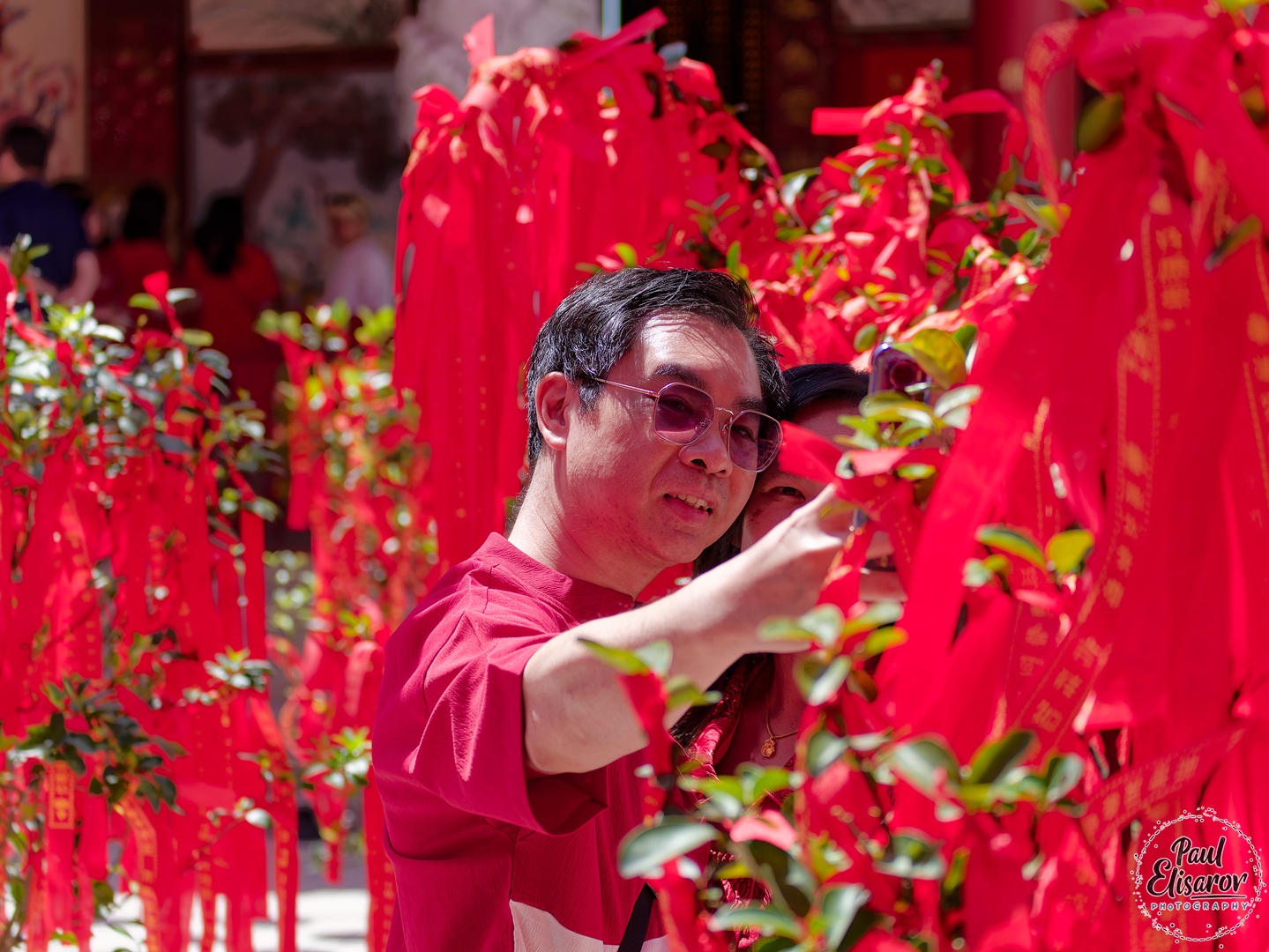 However, it was the Daoist tradition, which fully took shape by the Tang Dynasty period, that gave this day its true spiritual depth. In Daoist cosmology, the world is divided into three spheres—Heaven, Earth, and Water—each governed by its own divine general: Tianguan (the Heavenly Official), Diguan (the Earthly Official), and Shuiguan (the Water Official). Their birthdays fall precisely on the fifteenth days of the first, seventh, and tenth lunar months, forming the three "Yuan festivals" — Shangyuan, Zhongyuan, and Xiayuan.
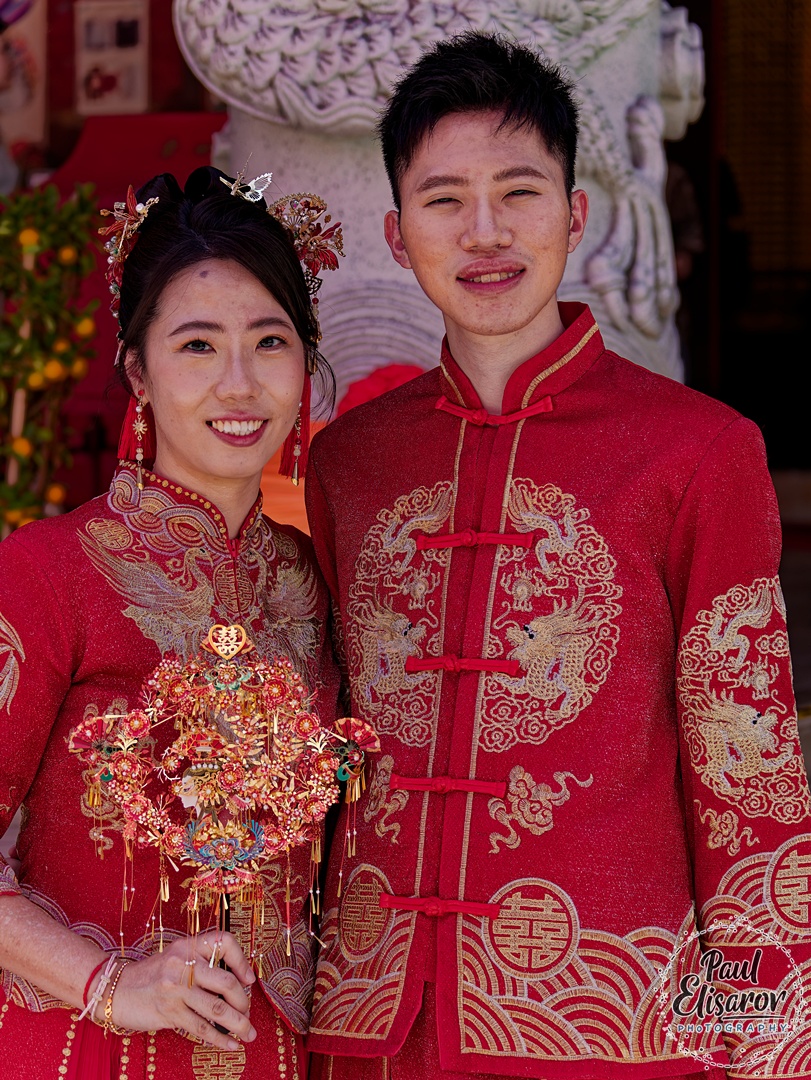 The fifteenth day of the first month is the birthday of Tianguan, the Heavenly Official, whose full title is "Shangyuan Yipin Cifu Tianguan" — "The Supreme First-Rank Official Who Bestows Blessings." According to the "Mengliang Lu" (records of life in the Southern Song capital), "the fifteenth day of the first month is the Yuanxiao festival, the day when the Heavenly Official bestows blessings." It is this very phrase—"Tianguan Cifu" (The Heavenly Official Bestows Blessings)—that became the key to understanding why the Chinese hold this date in such reverence.
Why This Particular Day Opens the Flow of Luck
In the Chinese worldview, there is a subtle connection between time cycles and Qi energy. The fifteenth day of the first month is the first full moon after the winter solstice and the beginning of the new year. In traditional cosmogony, the full moon symbolizes fullness, completion, and the maximum tension of Yang energy—the bright, active, life-giving force. After the long winter nights, when Yin—the dark, passive energy—reaches its peak, a turning point arrives. The first full moon of the year is like a sigh of the universe, the moment when the Yang of the entire year begins to be reborn and grow.
The fifteenth day of the first month is the birthday of Tianguan, the Heavenly Official, whose full title is "Shangyuan Yipin Cifu Tianguan" — "The Supreme First-Rank Official Who Bestows Blessings." According to the "Mengliang Lu" (records of life in the Southern Song capital), "the fifteenth day of the first month is the Yuanxiao festival, the day when the Heavenly Official bestows blessings." It is this very phrase—"Tianguan Cifu" (The Heavenly Official Bestows Blessings)—that became the key to understanding why the Chinese hold this date in such reverence.
Why This Particular Day Opens the Flow of Luck
In the Chinese worldview, there is a subtle connection between time cycles and Qi energy. The fifteenth day of the first month is the first full moon after the winter solstice and the beginning of the new year. In traditional cosmogony, the full moon symbolizes fullness, completion, and the maximum tension of Yang energy—the bright, active, life-giving force. After the long winter nights, when Yin—the dark, passive energy—reaches its peak, a turning point arrives. The first full moon of the year is like a sigh of the universe, the moment when the Yang of the entire year begins to be reborn and grow.
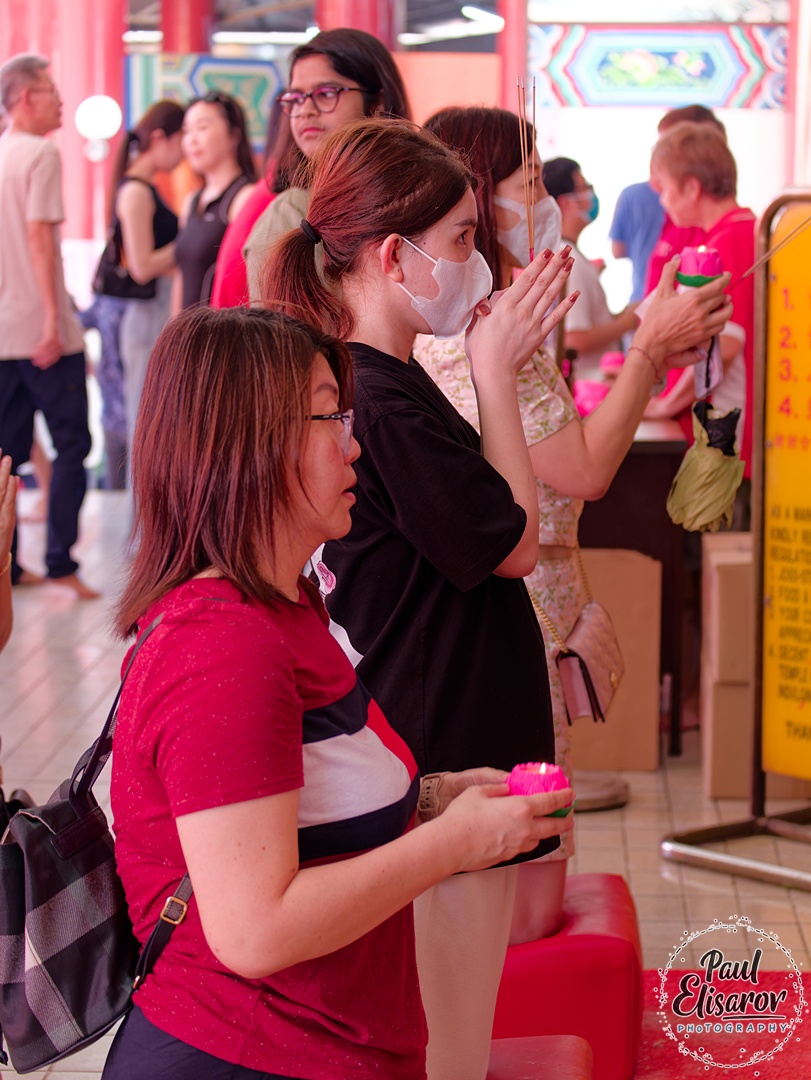 Daoist masters and later folk sages interpreted this astronomical event as "the moment when the energy of Heaven and Earth is most harmonious and bright." On this night, according to beliefs, the boundary between worlds becomes especially thin, and the Heavenly Official, descending to earth, "examines people's merits and transgressions," distributing blessings for the coming year. This is not just a mythological plot—it is a working psychological model: a person who realizes that their actions at this specific moment hold heightened significance for the entire year will naturally concentrate on positive attitudes and good intentions.
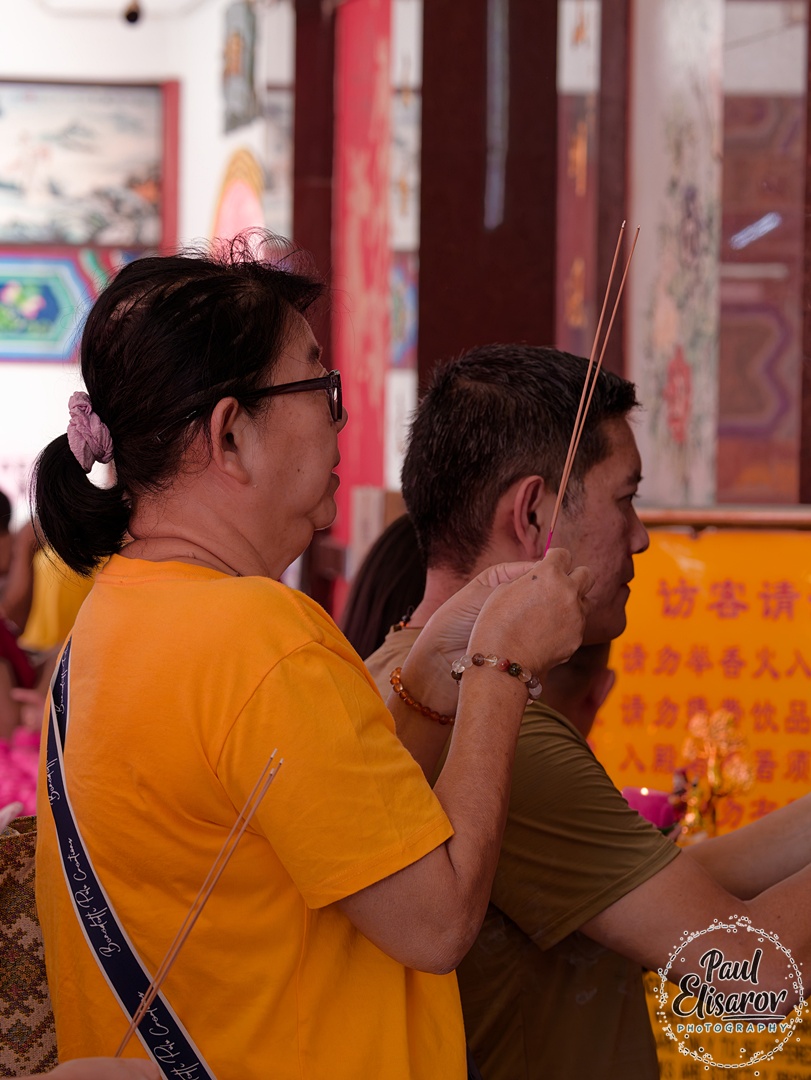 This is precisely why the Chinese say that on Yuanxiao Jie, one needs to "recharge with luck"—to replenish one's energy reserves and open channels to receive blessings. It is a day to correct the mistakes of the year's beginning, to tune the "frequency" to the right wave, and to literally program success for the next twelve months.
Light as a Language of Communication with the Heavens
The central symbol of the festival is light. The millions of red lanterns lit on this evening are not merely decoration. In traditional culture, the light of fire possesses powerful purifying and protective power. It drives away evil, cuts through darkness, and attracts auspicious energy. When people hang lanterns in front of their homes, walk through the streets with paper lamps, or release sky lanterns, they are literally "illuminating the path" for the Heavenly Official, showing their readiness to receive his blessings.
This is precisely why the Chinese say that on Yuanxiao Jie, one needs to "recharge with luck"—to replenish one's energy reserves and open channels to receive blessings. It is a day to correct the mistakes of the year's beginning, to tune the "frequency" to the right wave, and to literally program success for the next twelve months.
Light as a Language of Communication with the Heavens
The central symbol of the festival is light. The millions of red lanterns lit on this evening are not merely decoration. In traditional culture, the light of fire possesses powerful purifying and protective power. It drives away evil, cuts through darkness, and attracts auspicious energy. When people hang lanterns in front of their homes, walk through the streets with paper lamps, or release sky lanterns, they are literally "illuminating the path" for the Heavenly Official, showing their readiness to receive his blessings.
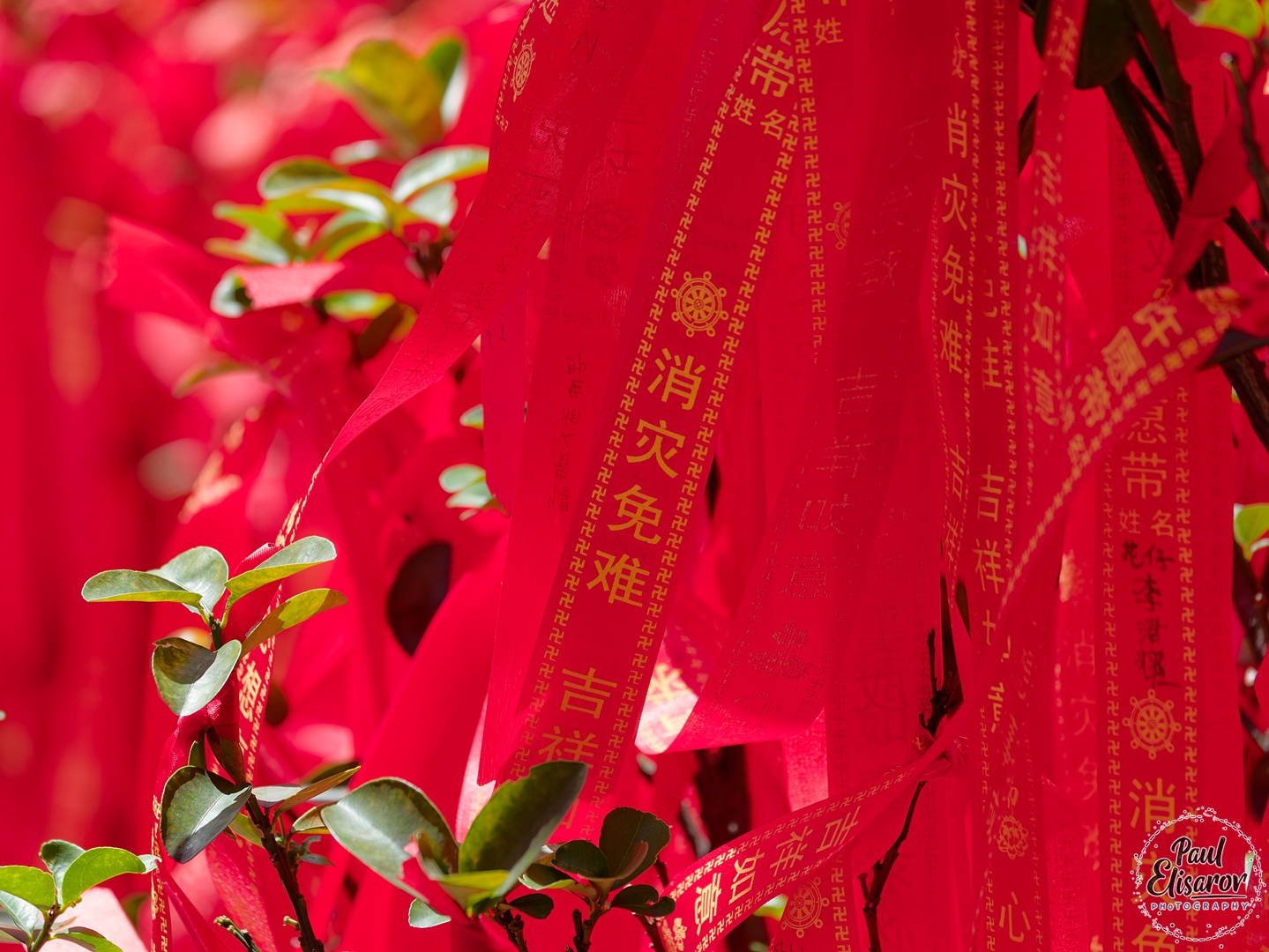 It is especially significant that this happens at night. In Chinese tradition, night is associated with Yin, but the full moon represents the maximum presence of Yang even in the realm of darkness. This symbolism speaks of light existing even in darkness, hope overcoming despair, and blessings being able to arrive even in the darkest moments. When families gather together to admire the moon and lanterns, they are not only bidding farewell to the New Year holiday; they are collectively creating an energetic field of well-being that will protect each family member throughout the year.
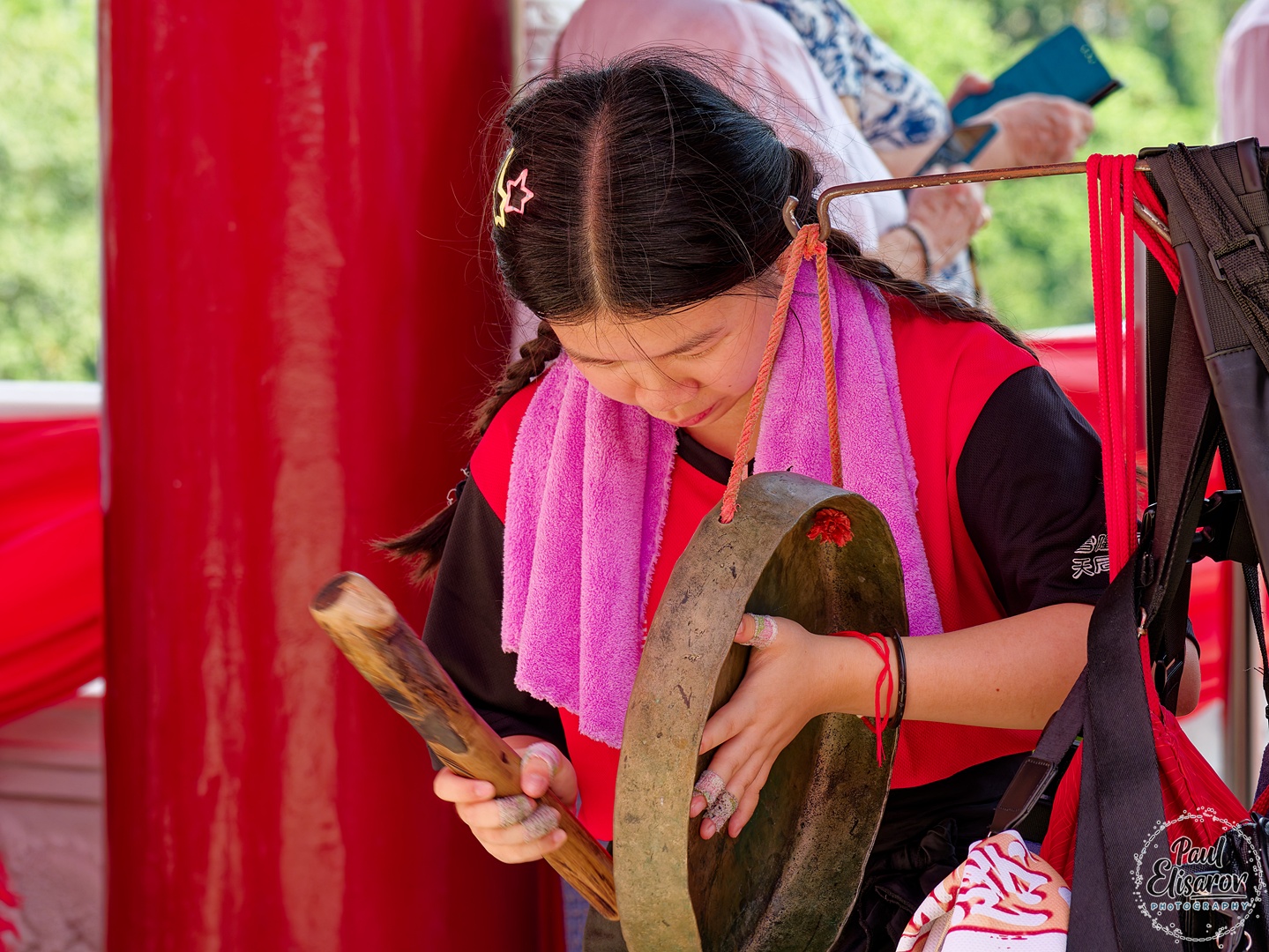 There is a beautiful detail: in ancient times, women going out on this evening would "cross over bridges"—a ritual known as "zou baibing" or "expelling a hundred illnesses." It was believed that each bridge crossed removed one illness or misfortune. This physical act was a metaphor for overcoming obstacles and cleansing oneself of negativity, preparing the body and spirit to receive new energy.
The Round Shape as a Code of Abundance
One cannot speak of Yuanxiao Jie without mentioning the festival's main treat—yuanxiao, or as they are called in the south, tangyuan. These are glutinous rice balls, usually filled with sesame, peanuts, red bean paste, or nuts, boiled in a sweet soup. Their shape—a perfect circle—carries profound meaning.
There is a beautiful detail: in ancient times, women going out on this evening would "cross over bridges"—a ritual known as "zou baibing" or "expelling a hundred illnesses." It was believed that each bridge crossed removed one illness or misfortune. This physical act was a metaphor for overcoming obstacles and cleansing oneself of negativity, preparing the body and spirit to receive new energy.
The Round Shape as a Code of Abundance
One cannot speak of Yuanxiao Jie without mentioning the festival's main treat—yuanxiao, or as they are called in the south, tangyuan. These are glutinous rice balls, usually filled with sesame, peanuts, red bean paste, or nuts, boiled in a sweet soup. Their shape—a perfect circle—carries profound meaning.
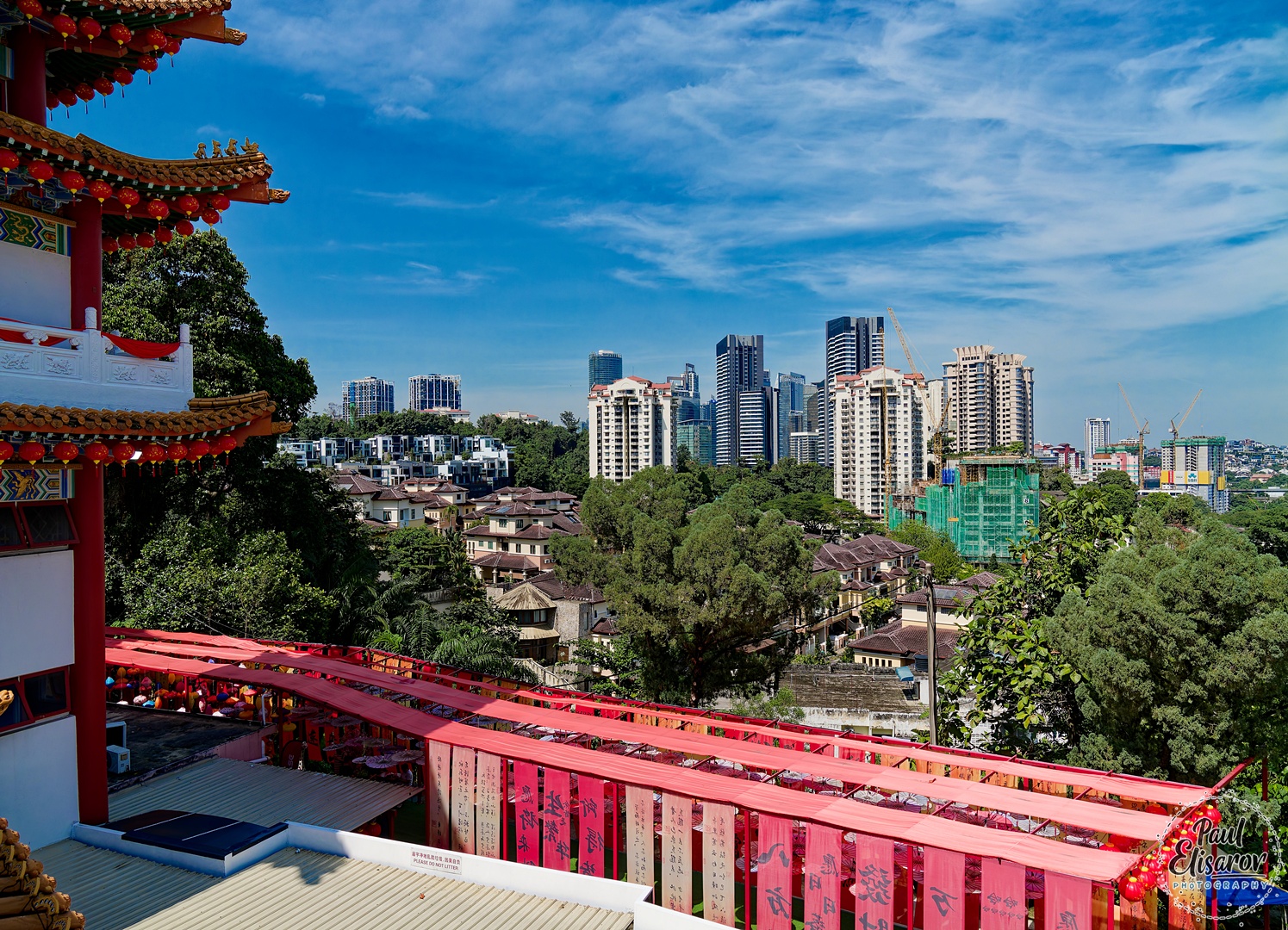 In Chinese culture, the circle symbolizes completeness, unity, and harmony. A family gathering around the table to eat these round sweets literally "absorbs" the energy of togetherness. The name "tangyuan" sounds similar to the word "tuanyuan"—meaning "reunion" or "coming together as one." By eating yuanxiao, people strengthen family bonds and lay the foundation for unity in the coming year.
 Interestingly, the fillings also hold symbolic meaning. Sesame and peanuts are associated with prosperity and longevity; red bean paste with warding off evil; and nuts with fertility and growth. Thus, each yuanxiao ball is like a small, encapsulated order placed with the universe, containing specific wishes for the year.
Practical Wisdom: How to "Recharge" Correctly
Modern Chinese people, even those far removed from religious practices, often observe certain rituals on this day, passed down from generation to generation. These actions are not superstitions, but ways of tuning the mind towards a positive outlook.
The most important aspect is the state of the home. It is believed that on the day the Heavenly Official descends to earth, the home should be full of light, food, and joy. Therefore, there is a saying, "Cang bu kong"—"the storage spaces must not be empty." Rice bowls, water barrels, pantries—everything should be full. This symbolizes readiness to receive abundance and confidence that there will be no want in the year ahead.
Interestingly, the fillings also hold symbolic meaning. Sesame and peanuts are associated with prosperity and longevity; red bean paste with warding off evil; and nuts with fertility and growth. Thus, each yuanxiao ball is like a small, encapsulated order placed with the universe, containing specific wishes for the year.
Practical Wisdom: How to "Recharge" Correctly
Modern Chinese people, even those far removed from religious practices, often observe certain rituals on this day, passed down from generation to generation. These actions are not superstitions, but ways of tuning the mind towards a positive outlook.
The most important aspect is the state of the home. It is believed that on the day the Heavenly Official descends to earth, the home should be full of light, food, and joy. Therefore, there is a saying, "Cang bu kong"—"the storage spaces must not be empty." Rice bowls, water barrels, pantries—everything should be full. This symbolizes readiness to receive abundance and confidence that there will be no want in the year ahead.
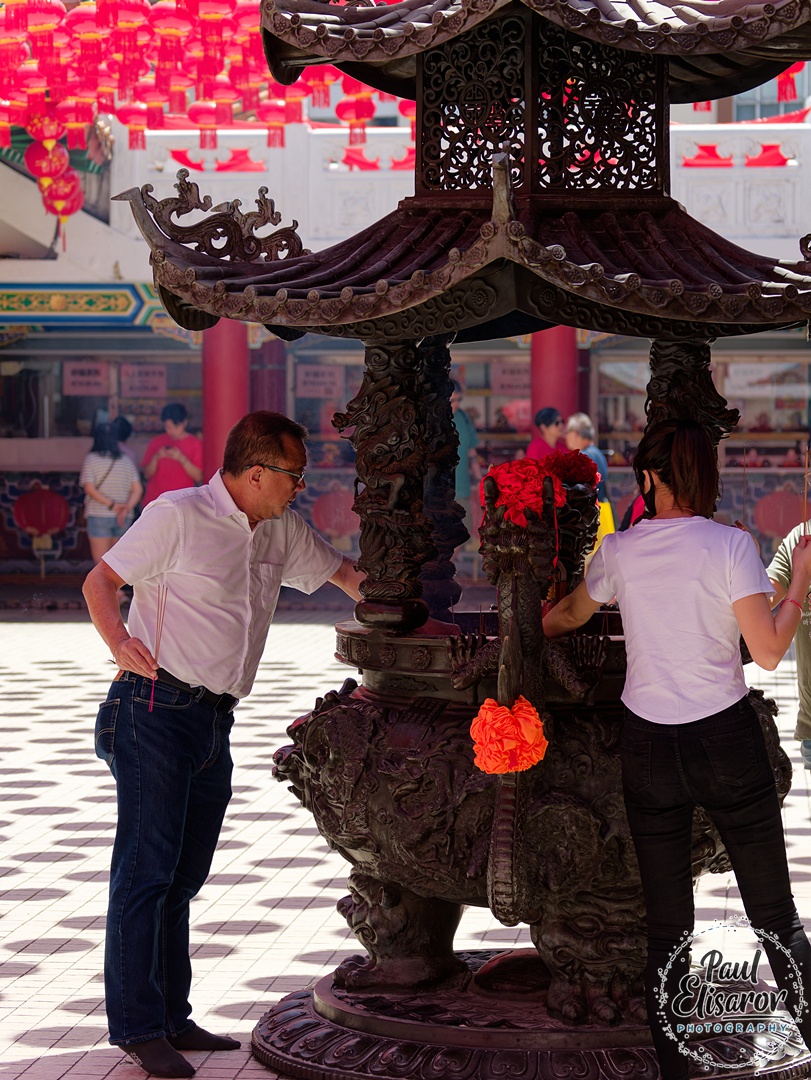 Special attention is paid to speech. The fifteenth day of the first month is the "first voice" after the New Year, which sets the tone for the entire period. Therefore, on this day, people try not to argue, not to utter negative words, and not to complain. Instead, they speak words of blessing, voicing their intentions aloud as if signing a contract with the universe. Every word on this day is considered an "order" for the future, so it is important to speak of health, success, and harmony.
 There is also the practice of "Bu Caiku" — "replenishing the treasury." This is a ritual where people make offerings or simply visualize filling their "energy treasury." In homes, lamps are lit in the southwest—the wealth sector according to Feng Shui—and red envelopes with money, rice, dates, and longans (symbols of abundance) are placed there.
From Palace to Village: Unity in Diversity
Historically, the festival had different nuances across different social strata. In the imperial palace, it was a solemn ceremony with grand performances, fireworks, and the release of thousands of lanterns. Common people celebrated it as the conclusion of the New Year festivities—a final opportunity for fun before the start of the agricultural season. But regardless of social status, all were united by a shared belief in the transformative power of this night.
There is also the practice of "Bu Caiku" — "replenishing the treasury." This is a ritual where people make offerings or simply visualize filling their "energy treasury." In homes, lamps are lit in the southwest—the wealth sector according to Feng Shui—and red envelopes with money, rice, dates, and longans (symbols of abundance) are placed there.
From Palace to Village: Unity in Diversity
Historically, the festival had different nuances across different social strata. In the imperial palace, it was a solemn ceremony with grand performances, fireworks, and the release of thousands of lanterns. Common people celebrated it as the conclusion of the New Year festivities—a final opportunity for fun before the start of the agricultural season. But regardless of social status, all were united by a shared belief in the transformative power of this night.
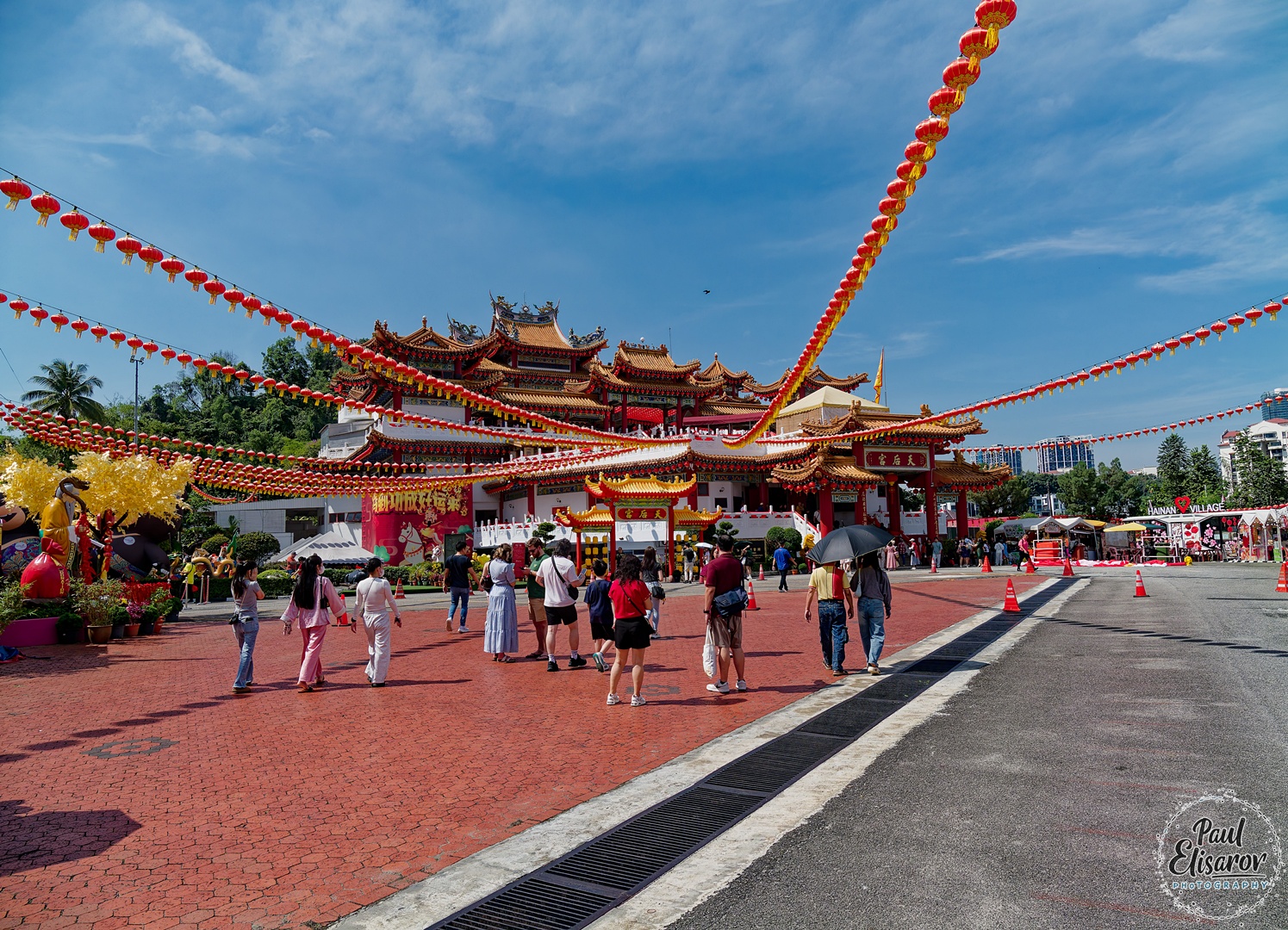 In villages, ancient agricultural rites were preserved. People lit torches in the fields to ward off pests and ensure a good harvest. In cities, fairs unfolded where one could not only see lanterns of incredible beauty but also possibly find one's destiny—the festival was renowned as a time when young people could meet without strict parental supervision, making it a sort of "Valentine's Day" in Chinese tradition.
 Today, when many traditional festivals have lost their former significance, Yuanxiao Jie remains vibrant and relevant. In an era of stress and uncertainty, people especially need rituals that provide a sense of control over their destiny. The opportunity to "reset" the year, to correct a beginning that didn't unfold as desired—this is a form of psychological support whose value is difficult to overestimate.
1.3K views