Beijing’s Hutongs: From Bulldozer to Dialogue
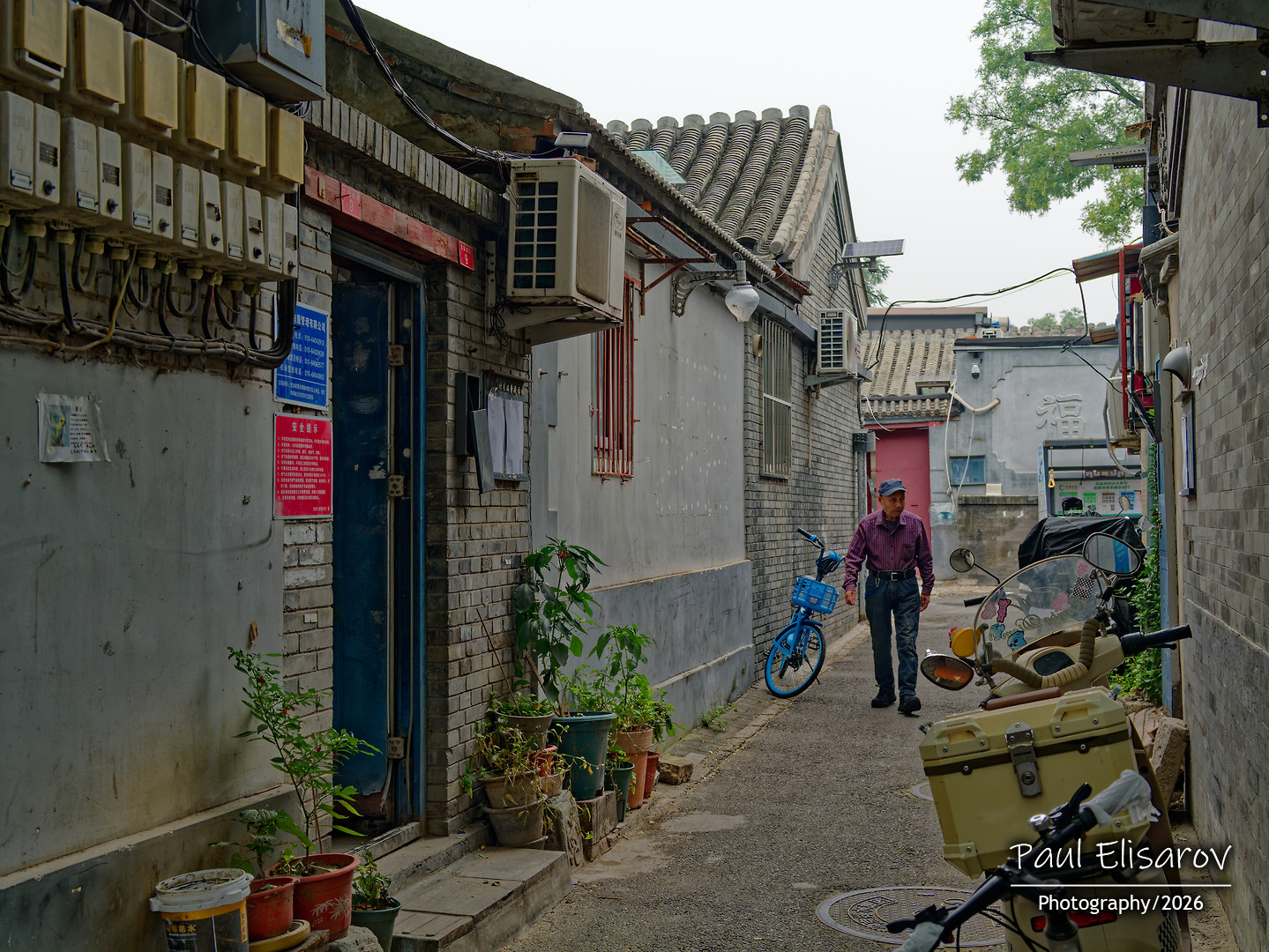
For fifteen years I watched Beijing learn to listen to its alleys… I am not Chinese. I am simply a person who once, quite by chance, turned off a noisy avenue into a narrow lane and stayed there in my soul for fifteen years. At first as a tourist, then as a person who comes to Beijing “for the hutongs.” I know this sounds strange. But if you have ever stood in a 胡同 (hútòng) at six in the morning, when pigeons with tied-on whistles, 鸽哨 (gēshào), fly over the tiled roofs, and felt that the sound comes from above, as if the sky itself is humming, you will understand me.
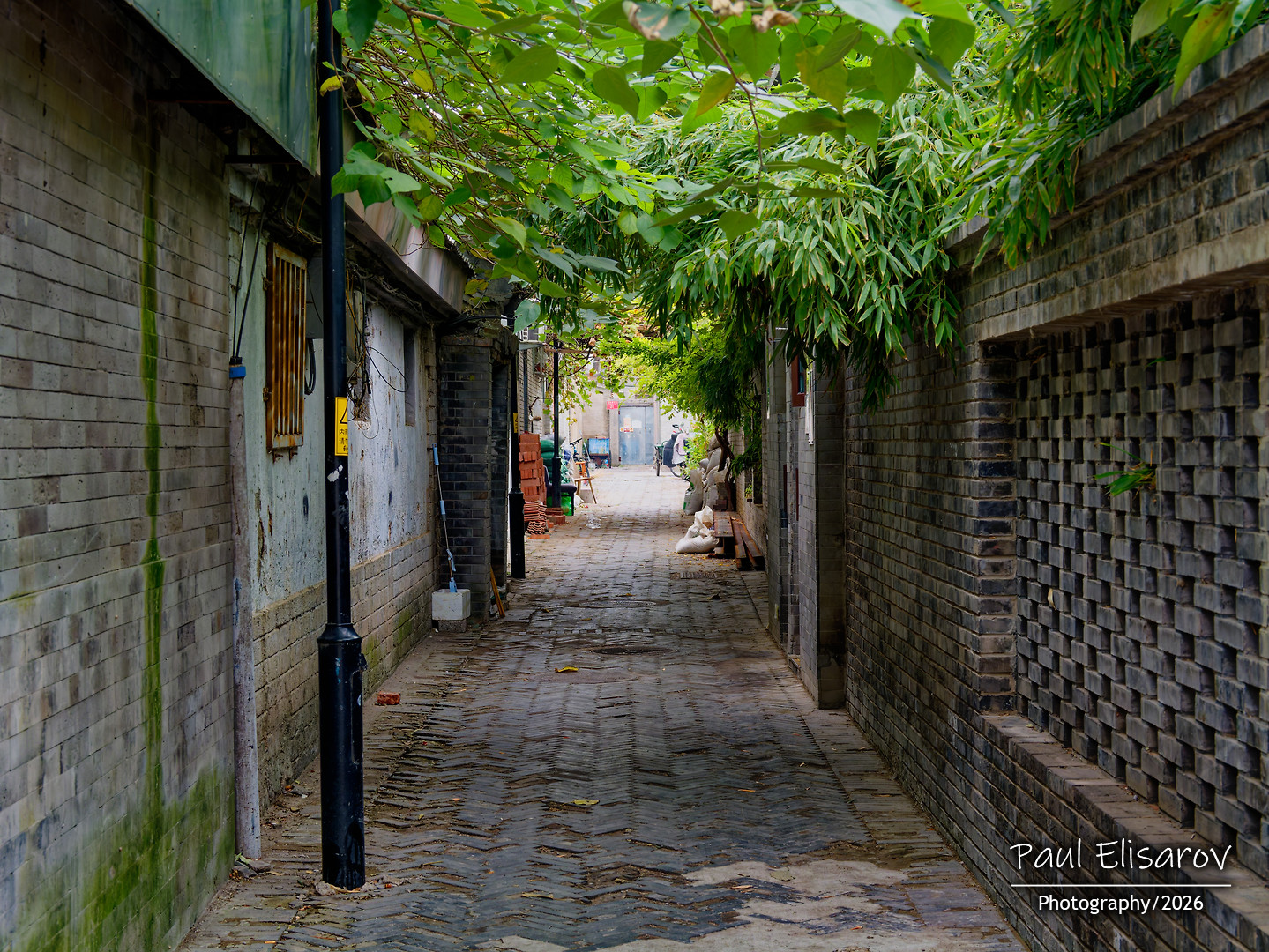
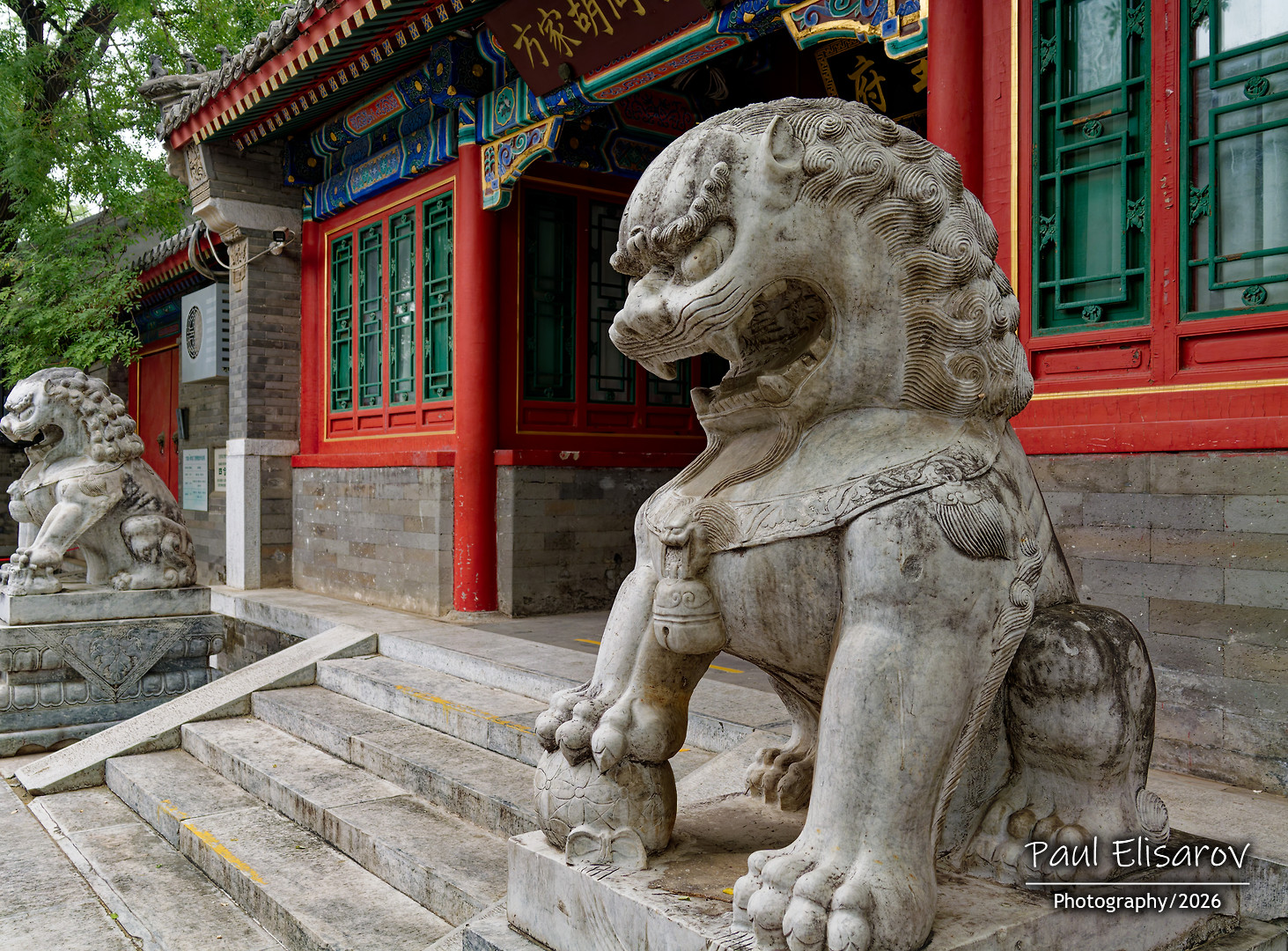
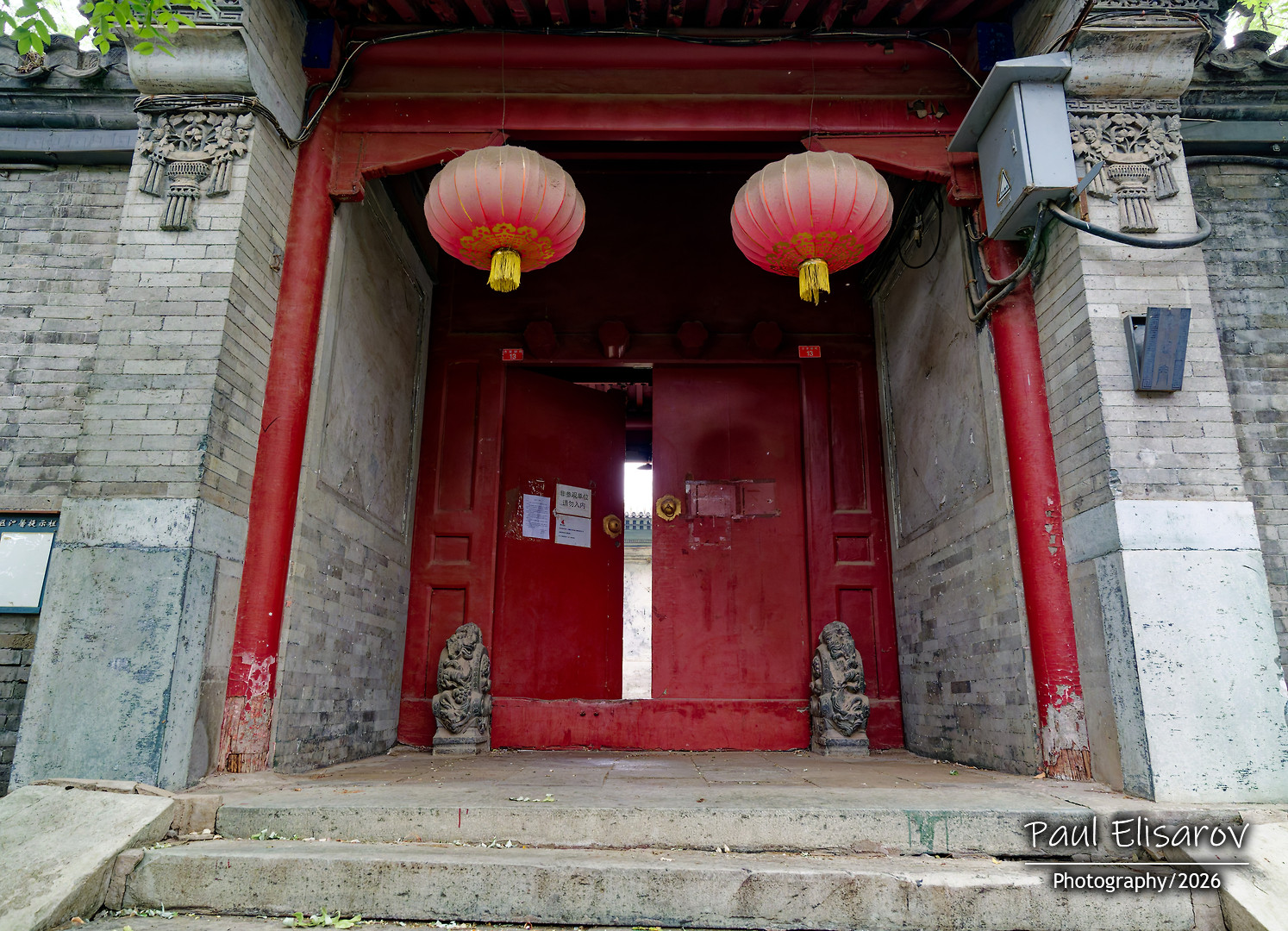
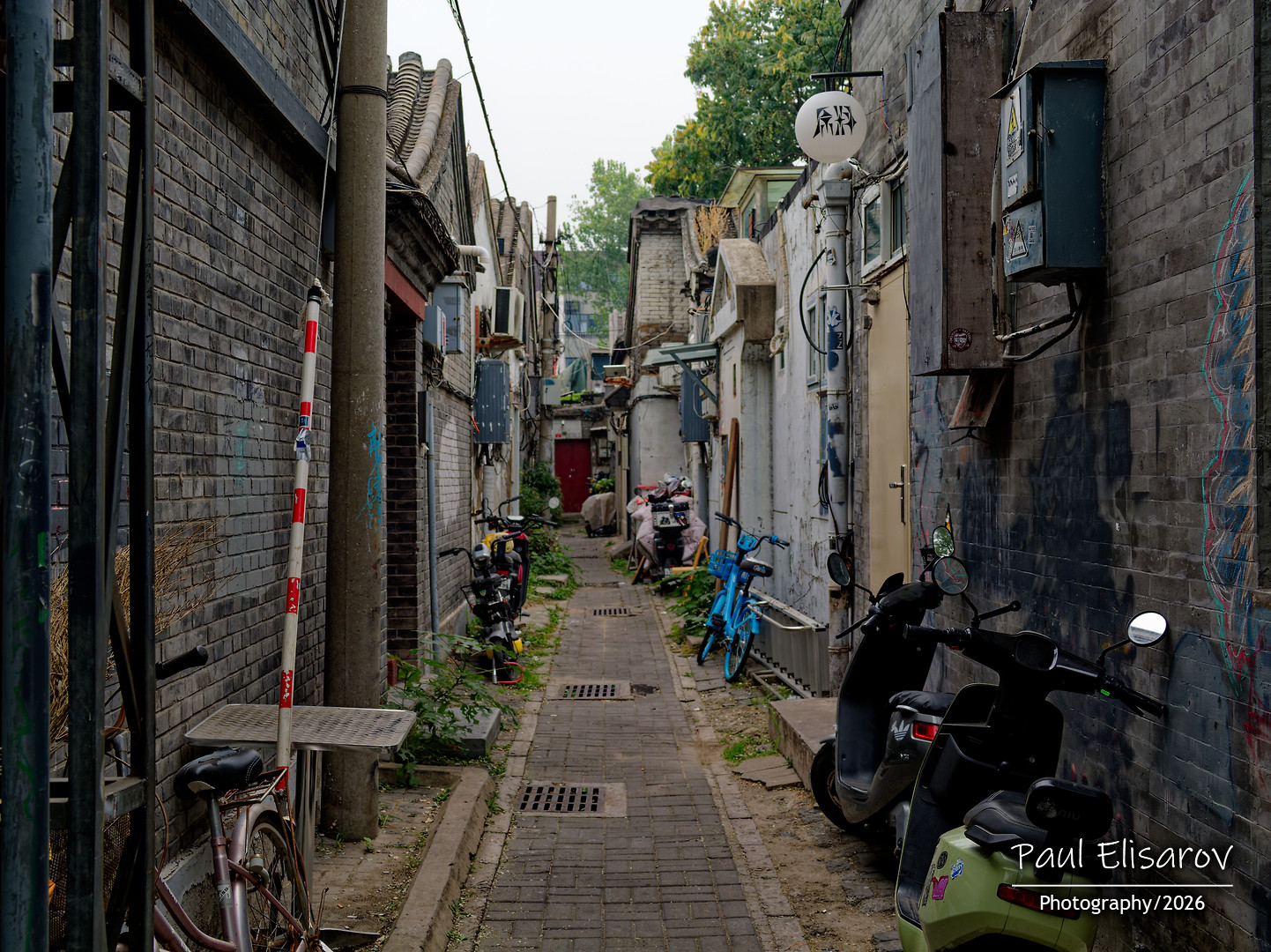 A hutong is not just a lane. It is a corridor between two walls that holds an entire life: 门墩 (méndūn)—stone drums at the entrance, polished to a shine by elbows and knees; 槐树 (huái shù)—Chinese scholar trees that in summer cover the lane with a green tunnel; cats that do not belong to people… The lane belongs to them. The word 胡同 (hútòng) itself most likely came from Mongolian, from the word “well.” That is, a hutong was originally a place around water, around a common well. This is important. Keep it in mind, because the whole story I want to tell is the story of how the city forgot for twenty years that a hutong is about “the common,” and how it later remembered with difficulty.
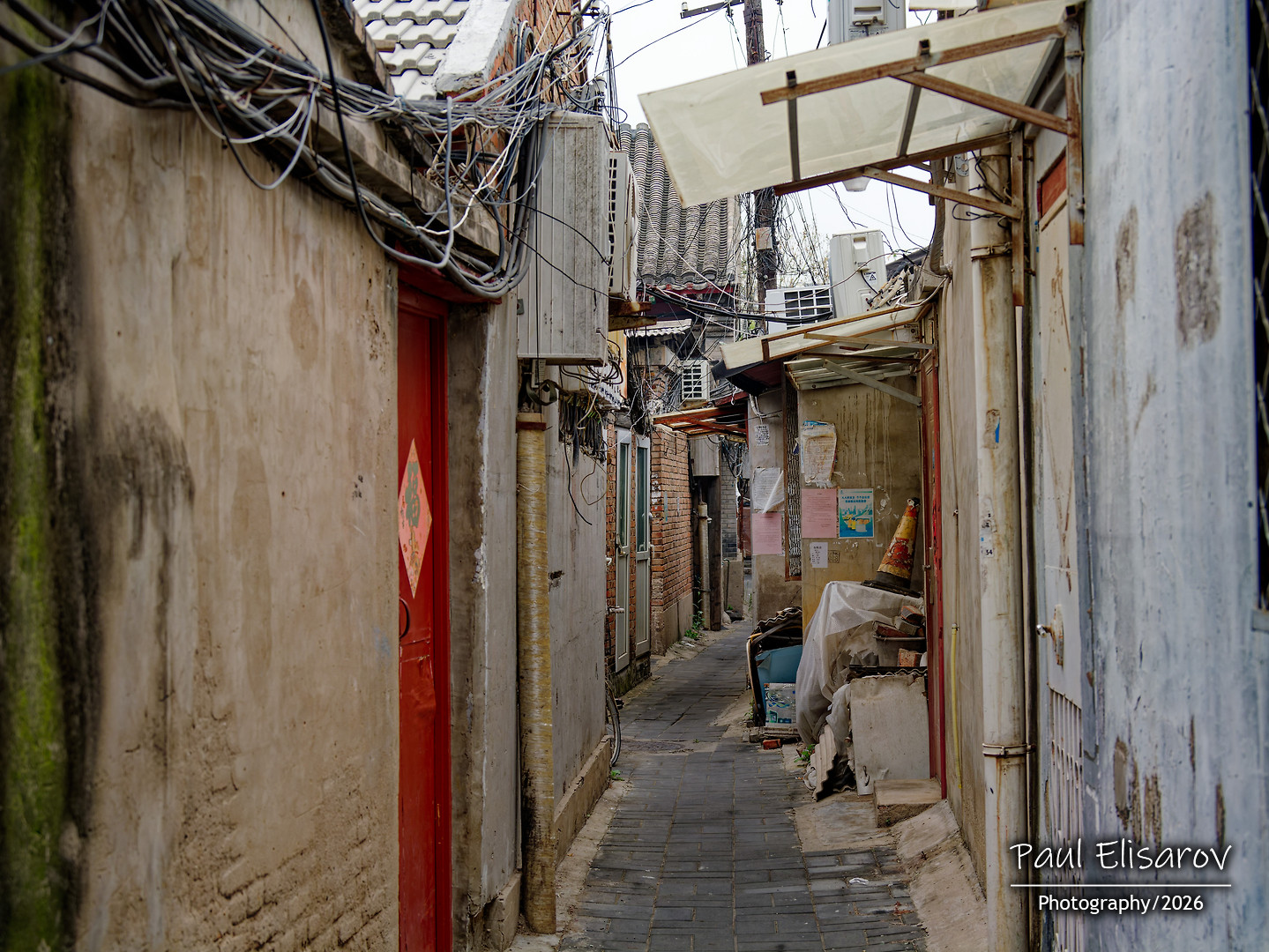
 In the 1990s, Beijing had a program with a seemingly innocuous name: 危旧房改造 (wēijiùfáng gǎizào), “reconstruction of dilapidated and dangerous housing.” It sounds like care. In practice it meant: a bulldozer came, and a historic neighborhood disappeared, and in its place grew either a shopping complex, or a residential high-rise, or, in the saddest cases, just an empty lot waiting for an investor.
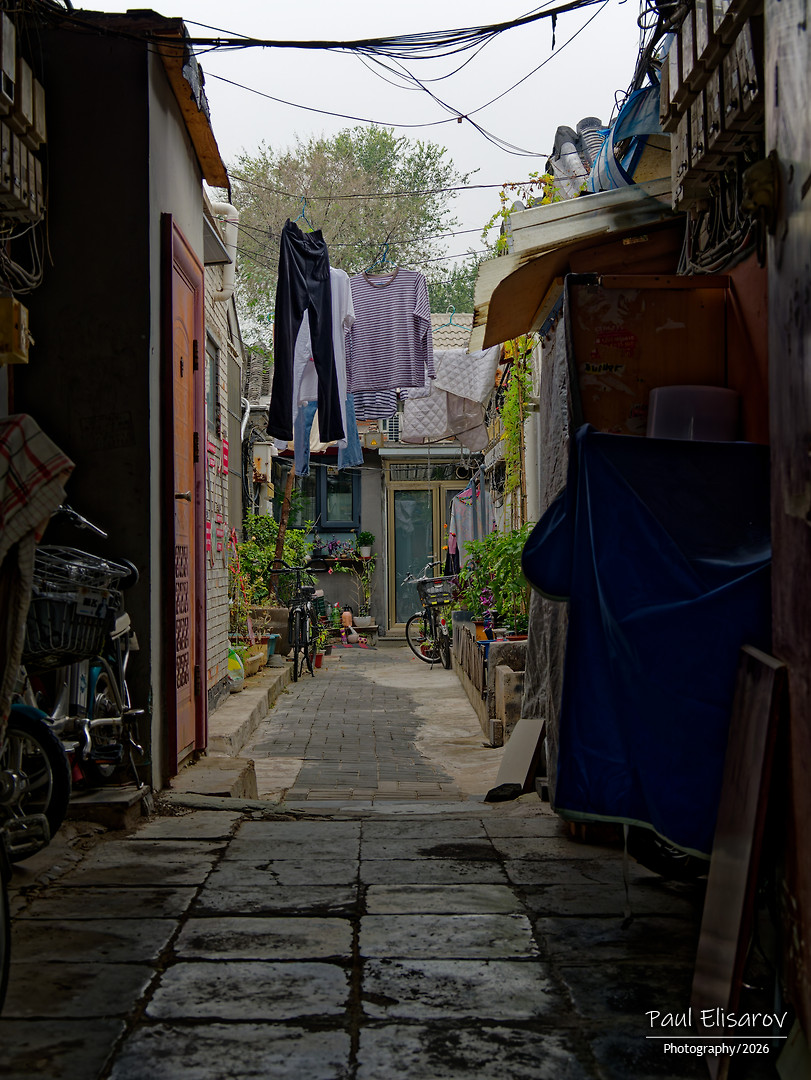 The logic was simple and, frankly, understandable: the hutongs had no proper sewage, heating, sometimes not even a proper toilet. People lived in houses that were one hundred, two hundred, three hundred years old, and they lived in them not as in a museum, but as in housing that had long ceased to meet any sanitary standard. The authorities wanted to “improve.” The problem was the method: they decided to improve through destruction.
 And there was one man who tried to do it differently. Architect 吴良镛 (Wú Liángyōng) in the late 1980s–early 1990s carried out a pilot project in 菊儿胡同 (Jú’er Hútòng)—in the 南锣鼓巷 (Nánluógǔxiàng) area, nearest metro station 南锣鼓巷 (Nánluógǔxiàng, Lines 6 and 8). He called his approach “organic renewal,” 有机更新 (yǒujī gēngxīn): not demolish the neighborhood as a whole, but change it cell by cell, preserving the structure of the lanes, the scale, the rhythm. The project received international recognition in 1992 and is still cited as an example in architecture textbooks.
 But here is what is important, and what I learned later, when I began to dig deeper: as a mass model, it did not take root. The cost was higher, the profit lower, and most importantly, a significant part of the former residents ultimately never returned to the new “organic” courtyards. The beautiful idea could not withstand the collision with economics and administrative convenience. It was easier to demolish everything and build anew. And that is what Beijing did for the next fifteen years.
 By the early 2000s the scale had become monstrous. Entire districts went under the knife. The most painful case for me personally was 前门 (Qiánmén), nearest metro station 前门 (Qiánmén, Lines 2 and 8). This was not just built-up area; it was one of the city’s oldest commercial and residential zones. By the mid-2000s it had been effectively cleared for redevelopment.
 And then something happened that I consider the first real turning point—not out of goodwill, but under pressure.
 In 2002 the city hall imposed a moratorium on demolition in the historic center and designated 25 protected zones, 历史文化保护区 (lìshǐ wénhuà bǎohùqū). In 2005, the principle of “comprehensive protection of the old city” appeared in the city’s master plan—旧城整体保护 (jiùchéng zhěngtǐ bǎohù). This was not yet a victory. It was a stop to the bleeding. But it happened not because someone in an office had an awakening, but because by then there were already residents’ protests, architects’ letters, and media attention. For the first time, the authorities heard someone saying “no” to them.
 Worth remembering separately is 2011, when in 东城区 (Dōngchéng Qū) a house associated with the names of 梁思成 (Liáng Sīchéng) and 林徽因 (Lín Huīyīn) was demolished—two people who back in the 1950s begged not to demolish the city walls and not to build in central Beijing what would later have to be dismantled. They were not listened to then. Their house was demolished sixty years later. The scandal was loud. It was out of such scandals, and not quiet meetings, that the new policy took shape.
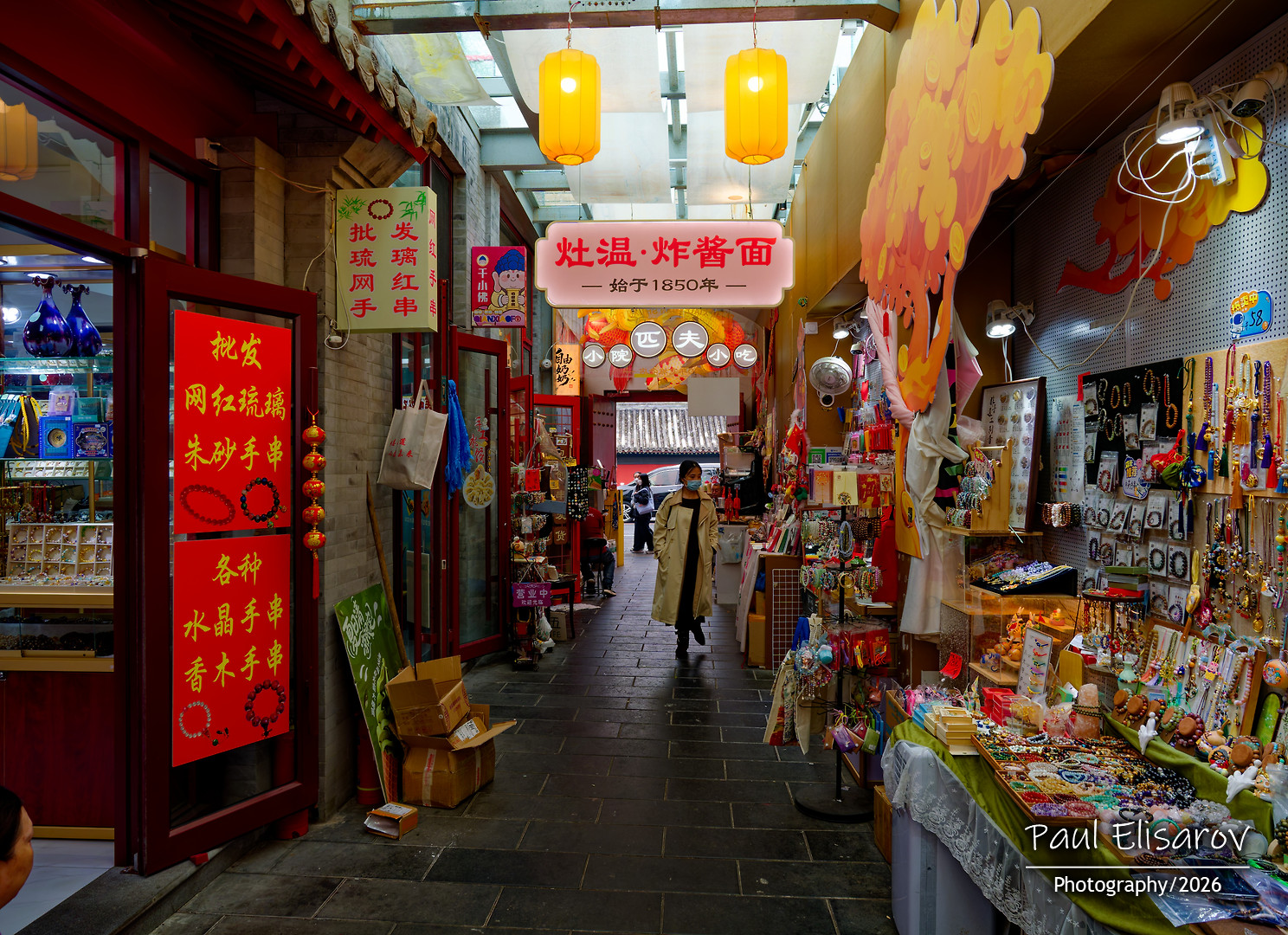
 For the 2008 Olympics, 前门大街 (Qiánmén Dàjiē) was reopened. And this was perhaps the most telling failure of the entire commercial approach. The street was restored—beautifully, with a tram, with “old-style” facades. And then it turned out that rents had soared so much that the old shops, eateries, craftsmen—all those who had made the street a street—simply could not return. According to press reports at the time, many empty storefronts opened, and only a handful of local brands were operating.
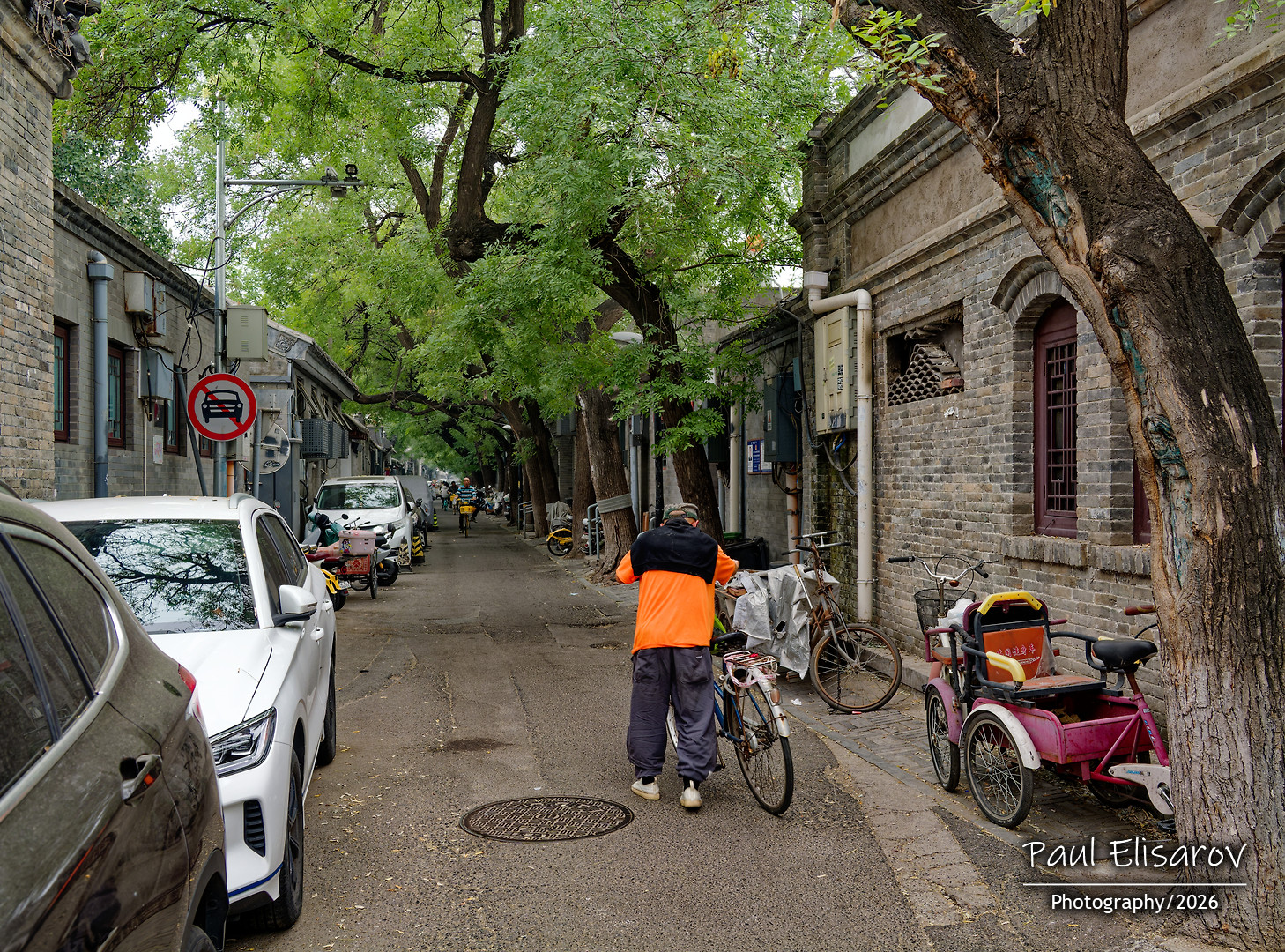 Later international chains moved in. The street became an “open-air shopping mall”: clean, beautiful, expensive, and dead. Beijingers complained about the loss of the “old Beijing spirit,” 京味儿 (jīngwèi’er)—that very “Beijing flavor” that cannot be ordered from a designer.
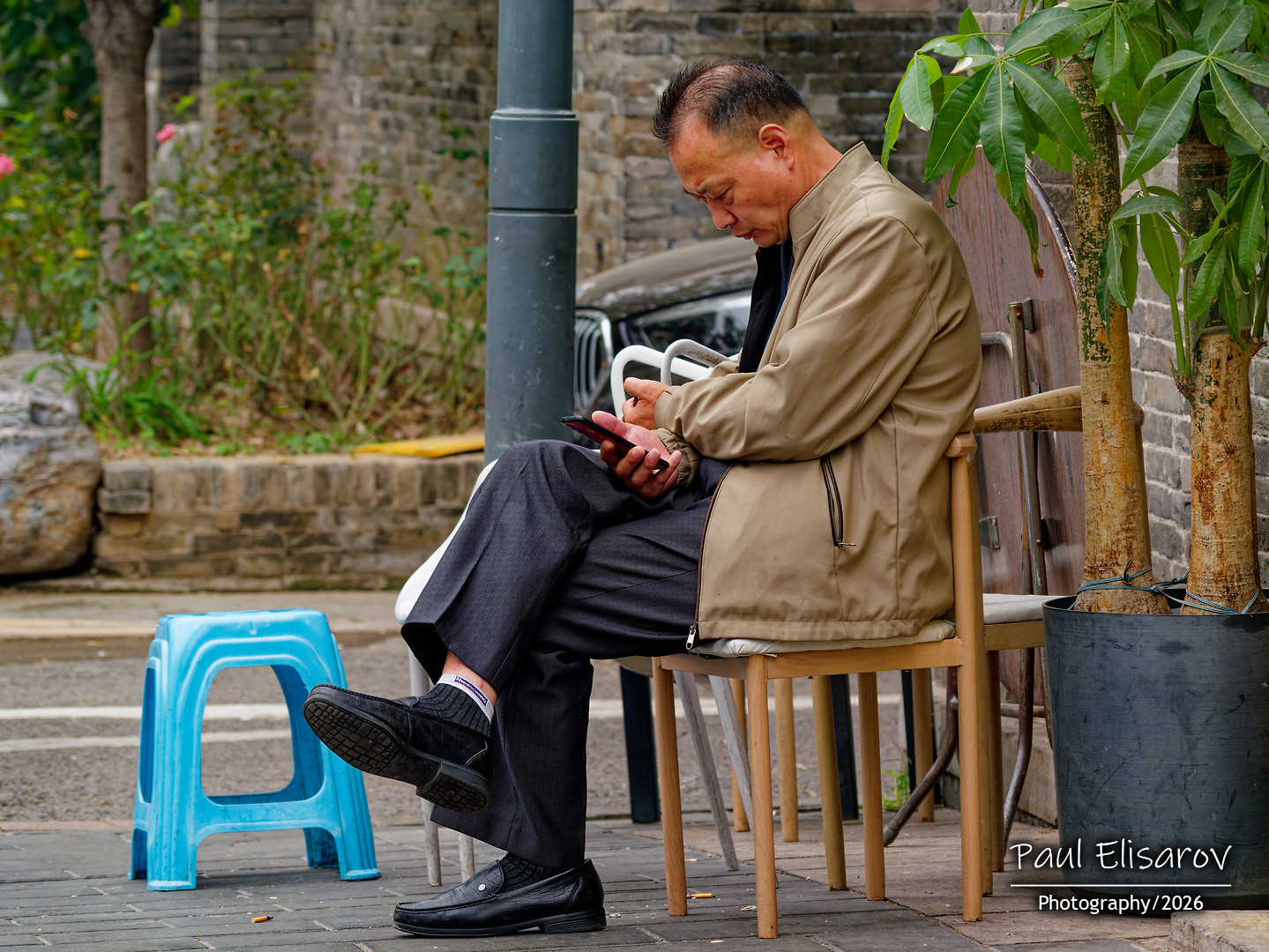 That is exactly what I saw in 2010, when I first came to Beijing, but by 2018 foreign firms had also left the street, and it simply became deserted, while life seethed in the parallel lanes—the ones that had not yet been subjected to destruction. And, to the credit of the Chinese authorities, they realized they had made a big mistake and did not persist in their errors. Nothing like this was done anywhere else again.
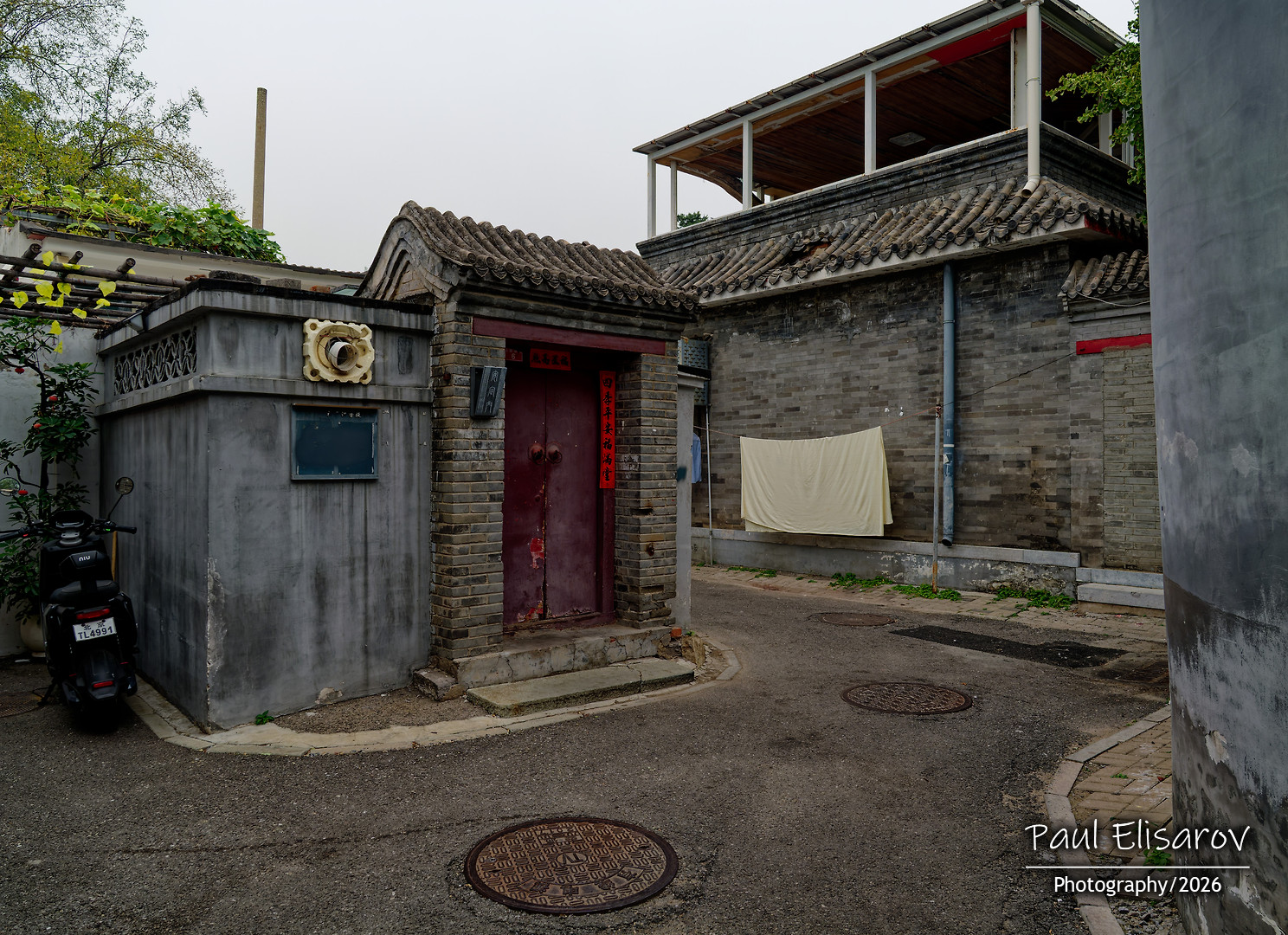 The real turning point—and I am not afraid of this word—came in 2019, when a pilot was launched in 菜市口西片区 (Càishìkǒu Xī Piànqū), abbreviated 菜西 (Càixī). Nearest metro station—菜市口 (Càishìkǒu, Lines 4 and 7).
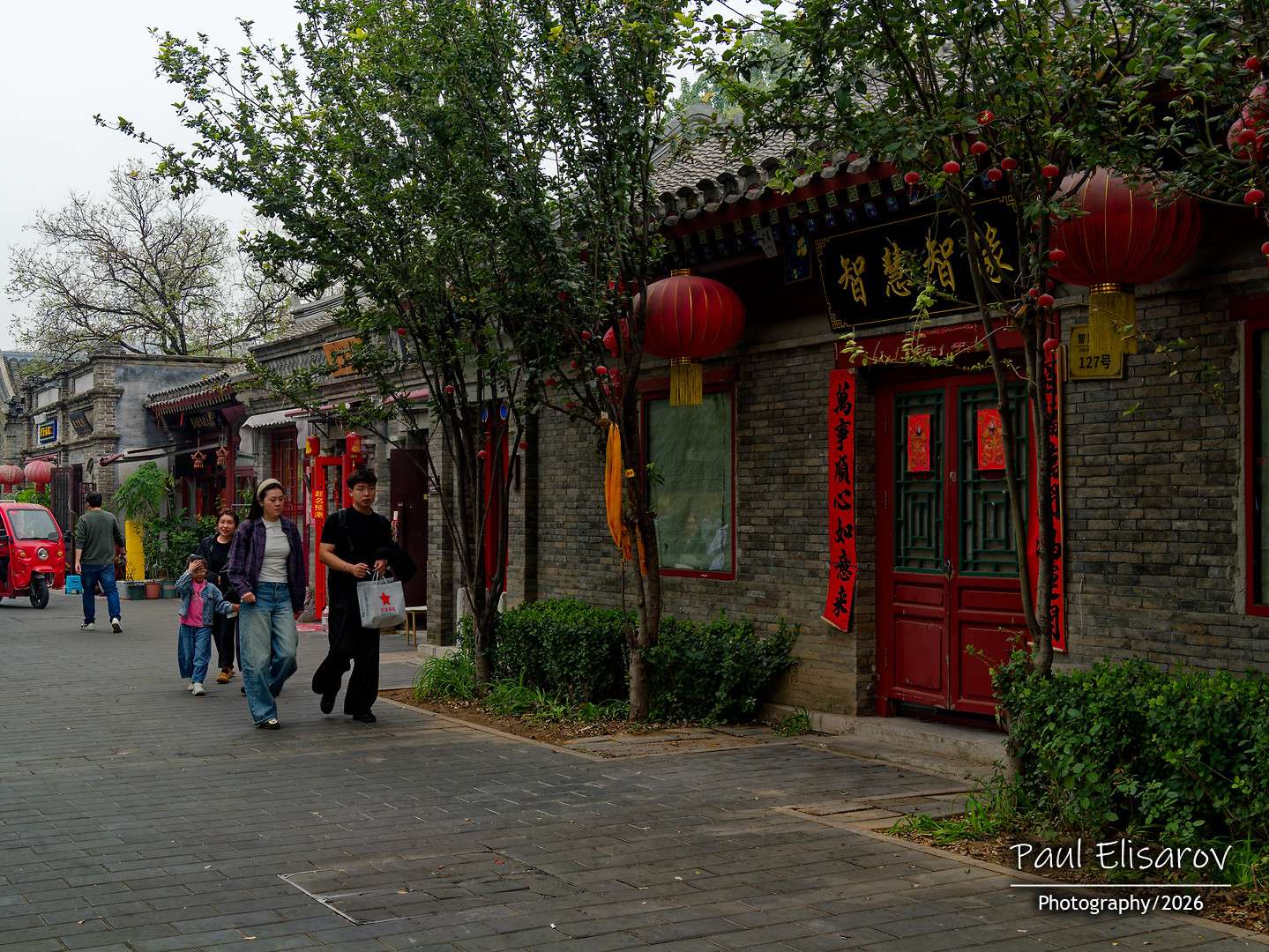 There, for the first time in full form, the mechanism 申请式退租 (shēnqǐngshì tuìzū) began to work—“application-based lease buyout.” The meaning in three words: the resident decides, not the official. If you want to leave, you submit an application and receive either monetary compensation or a subsidy to buy an apartment in a new area. If you do not want to, you stay, and no one evicts you.
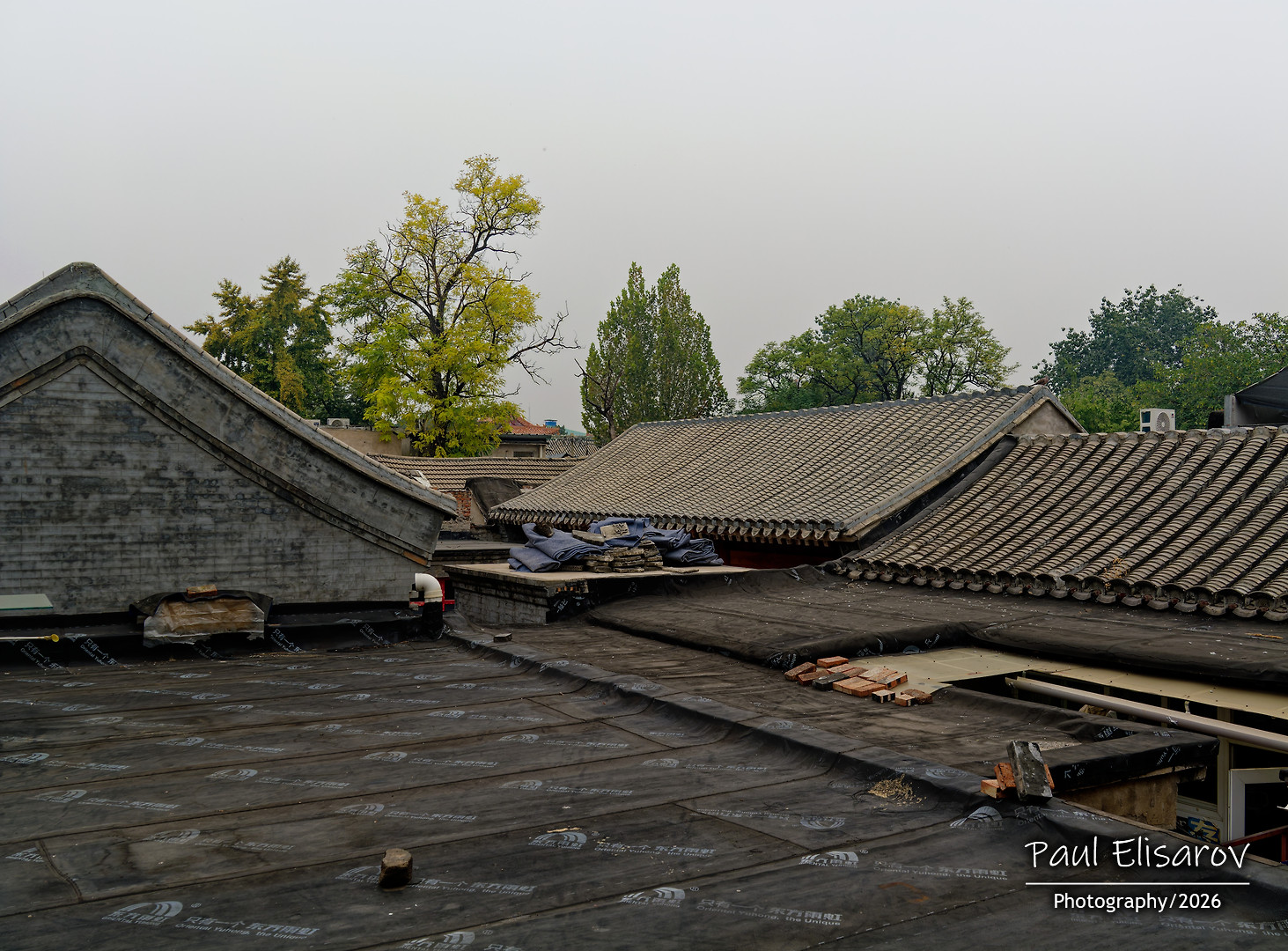 And right away a second key word appeared—共生院 (gòngshēngyuàn), “courtyard of coexistence.” This is when part of a courtyard, after neighbors voluntarily leave, becomes free, and something small moves in—a coffee shop, a workshop, a bookstore, a guesthouse—while the remaining residents continue to live nearby. Not instead. Nearby.
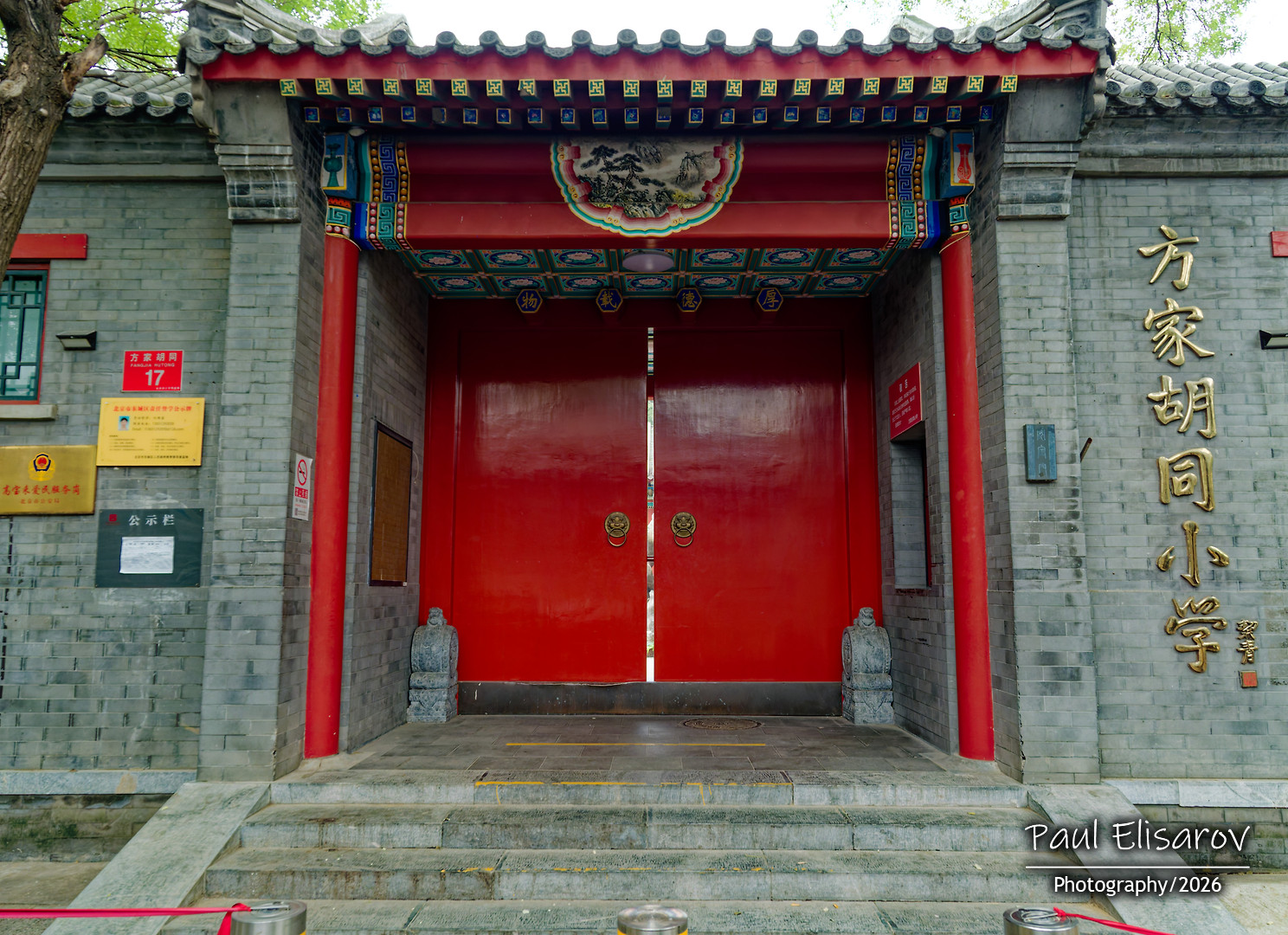 I saw the first such courtyard in 姚江胡同 (Yáojiāng Hútòng)—near 珠市口 (Zhūshìkǒu, Line 8) and 前门. There, after the buyout, long-time residents remained, and they became the core of the first “symbiotic neighborhood,” 共生街区 (gòngshēng jiēqū), in the 大栅栏 (Dàshílànr) area, station 前门 (Qiánmén, Lines 2 and 8). There they also solved the problem of flooding—technically boring, but it is precisely such things that determine whether a person stays or leaves.
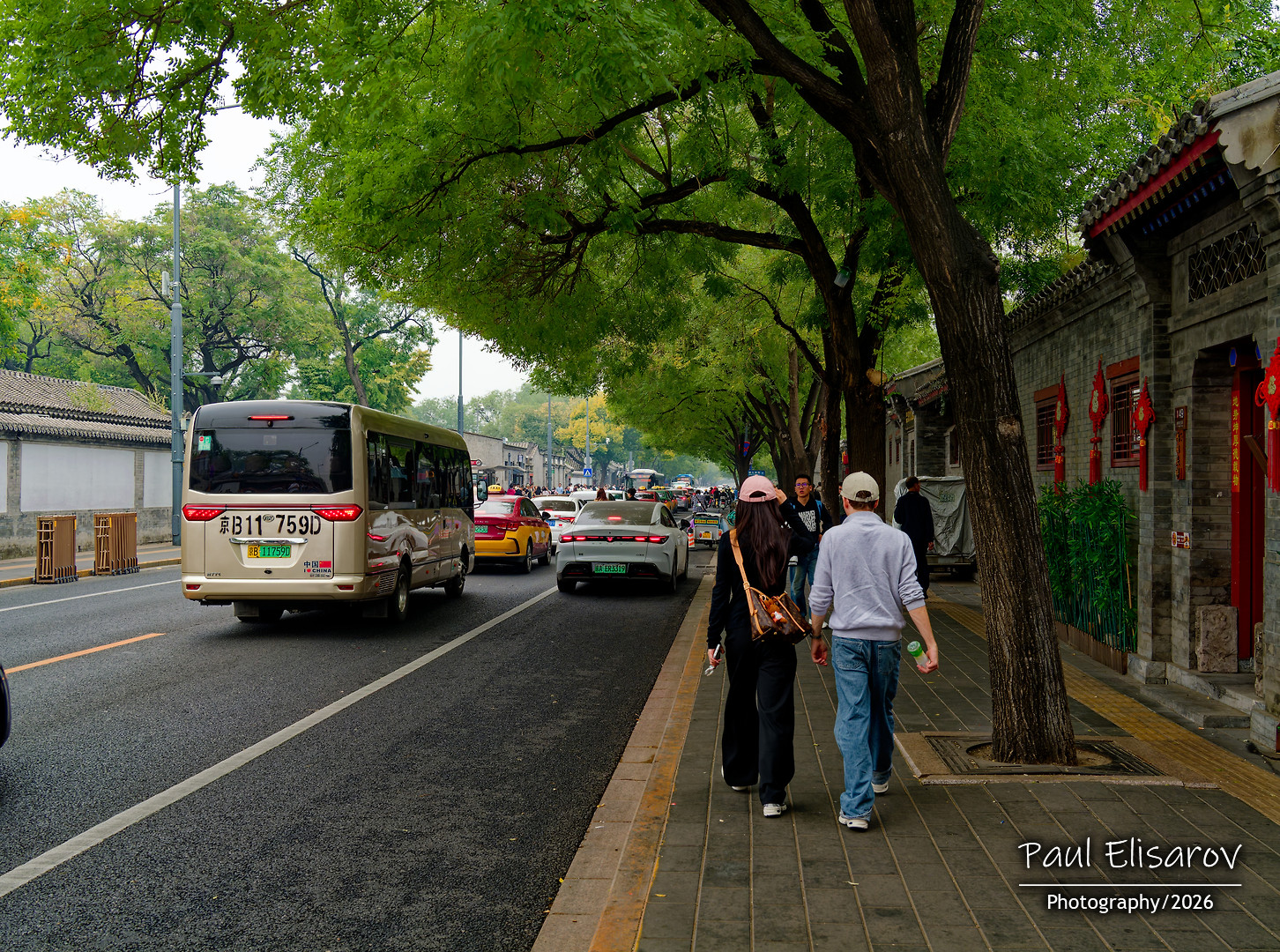 In 雨儿胡同 (Yǔ’er Hútòng), station 南锣鼓巷 (Nánluógǔxiàng, Lines 6 and 8), they went even further: for those who stayed, they made a separate “improvement by application” program—relaid sewage, installed kitchens and bathrooms, without evicting anyone. They bought out part of the courtyards, but roughly forty-plus percent of families remained. This is no longer a museum. It is a residential neighborhood that has simply become normal.
 And now—the reason I am writing this at all.
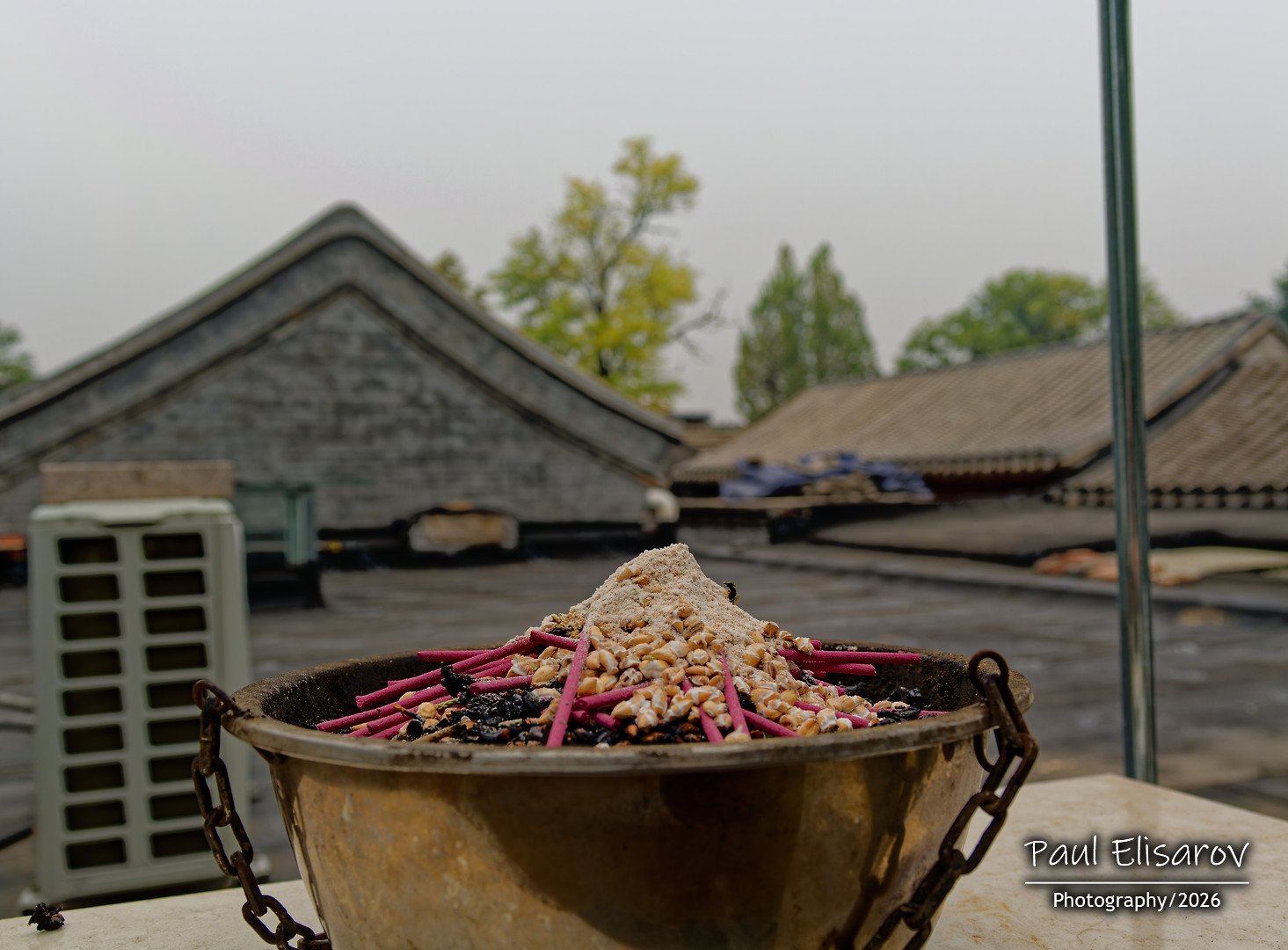 In 2026 I came to Beijing again. And I deliberately went to where, frankly, I expected to see another stage set: between 雍和宫 (Yōnghégōng) and 安定门 (Āndìngmén), south of 国子监 (Guózǐjiàn). Nearest metro stations 雍和宫 (Yōnghégōng, Lines 2 and 5), 安定门 (Āndìngmén, Line 2), and 北新桥 (Běixīnqiáo, Line 5).
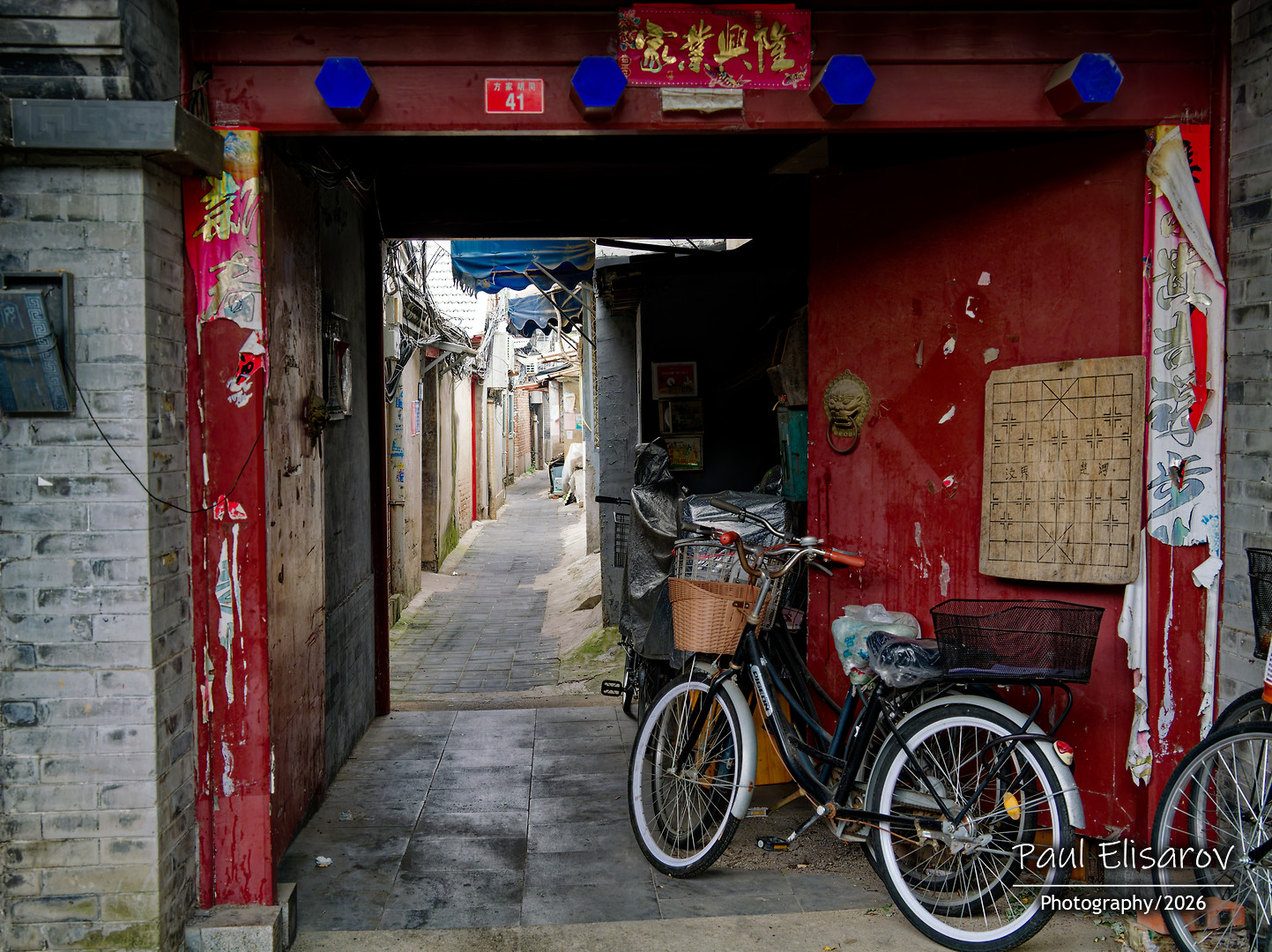 I walked from Yonghegong, past 五道营胡同 (Wǔdàoyíng Hútòng), station 雍和宫 (Yōnghégōng, Lines 2 and 5), turned into 方家胡同 (Fāngjiā Hútòng), then toward 国子监街 (Guózǐjiàn Jiē), looked into 官书院胡同 (Guānshūyuàn Hútòng), wandered through the lanes of 交道口 (Jiāodàokǒu), nearest station 北新桥 (Běixīnqiáo, Line 5).
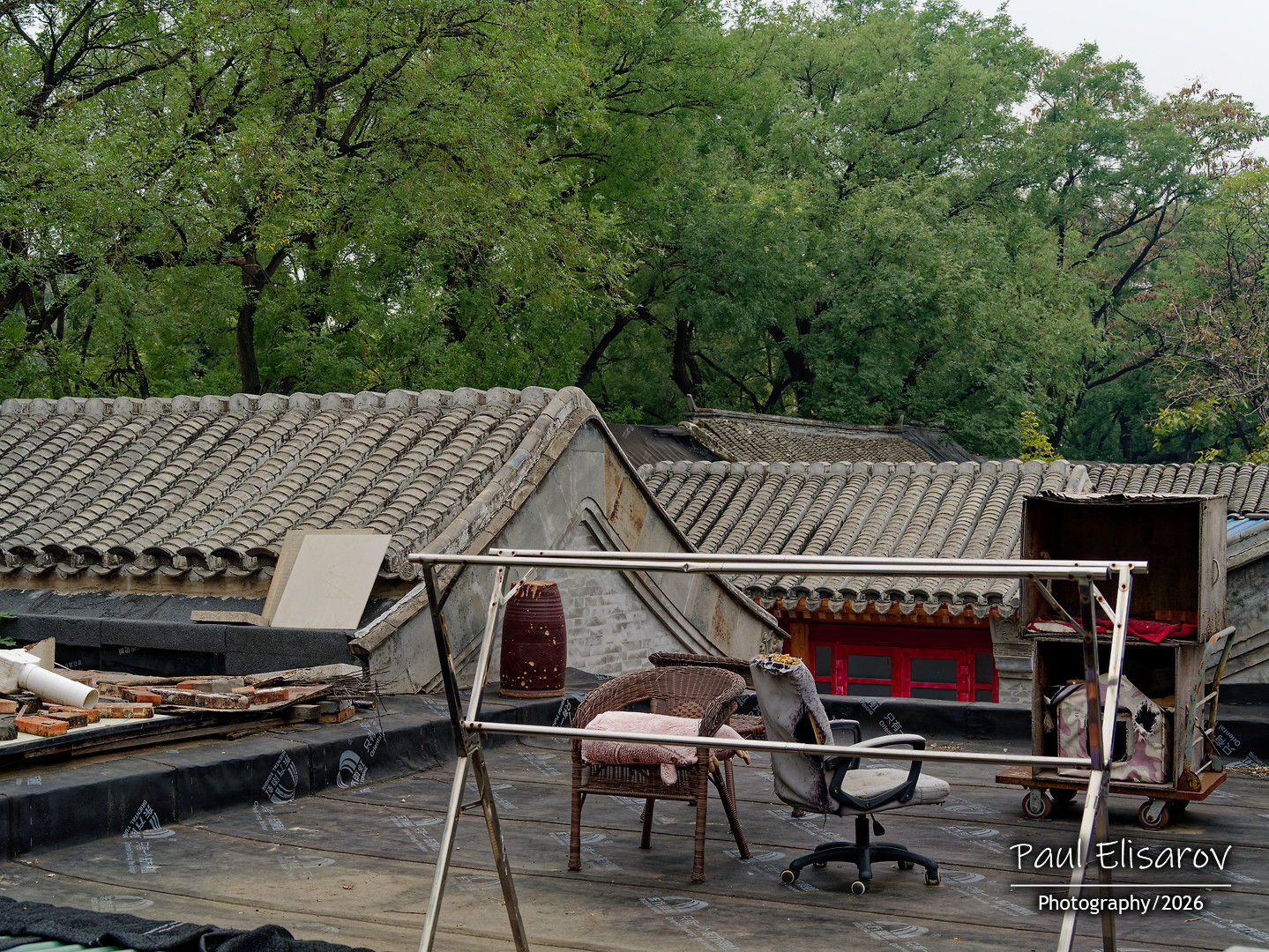 And I was pleasantly surprised. Not because everything there is perfect. But because people live there.
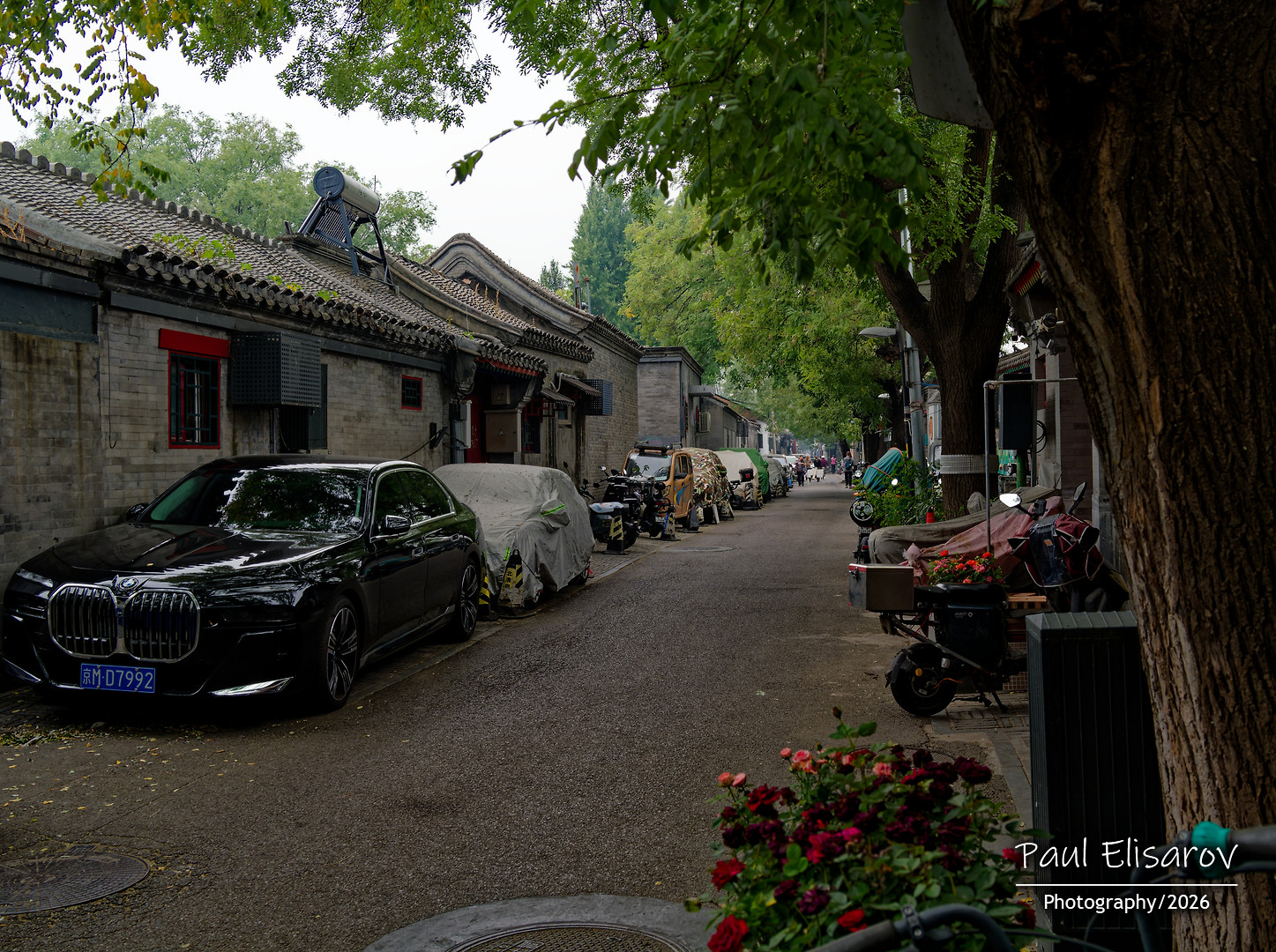 Here is what had changed, it turned out, while I was not in Beijing:
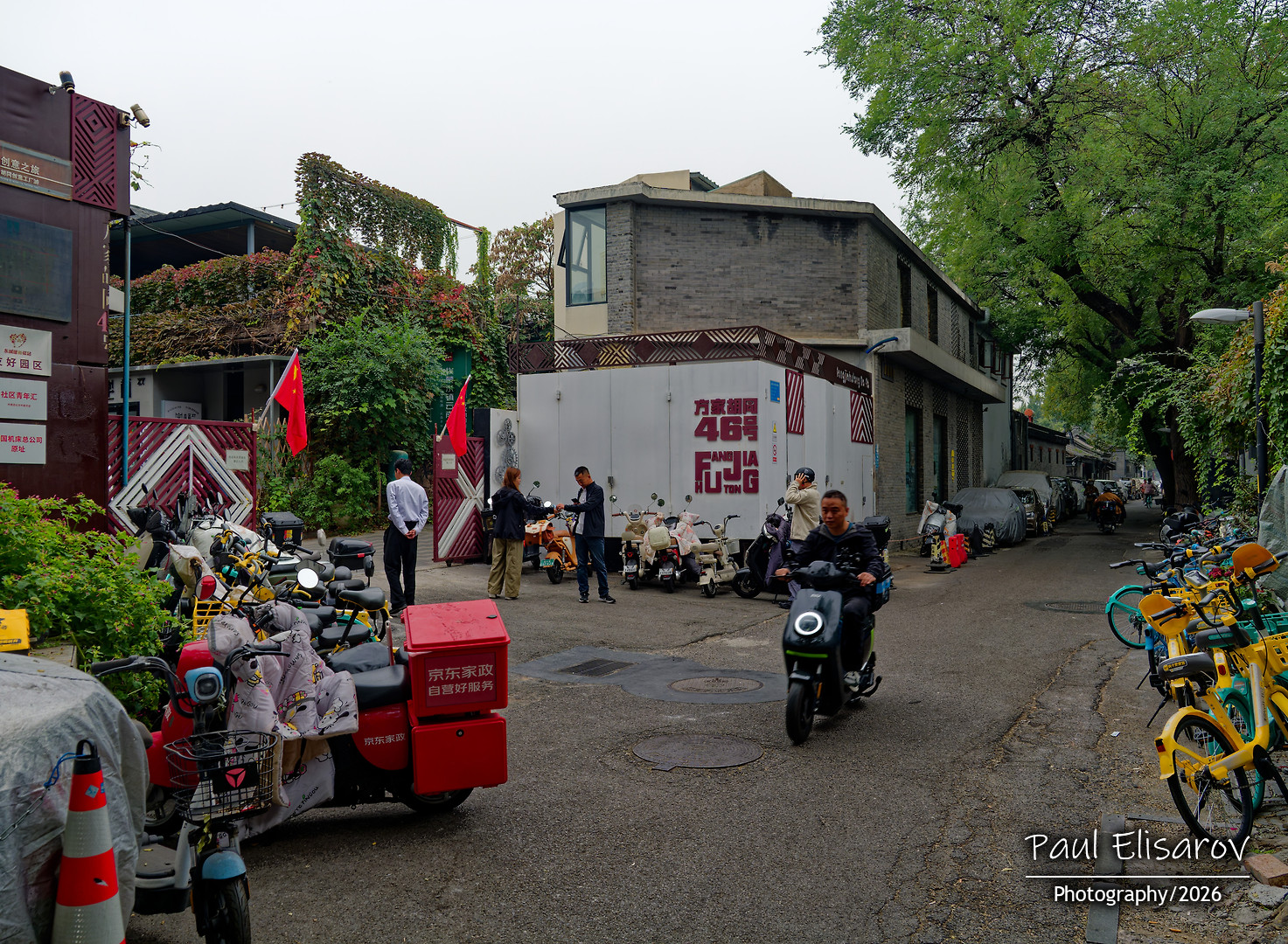 First. In 2022, the first stage of 申请式退租 (shēnqǐngshì tuìzū) started in this zone, north of 国子监街 (Guózǐjiàn Jiē). And in 2025, the second, large stage—further south, precisely in the area where I walked. It covers the territory between 雍和宫大街 (Yōnghégōng Dàjiē), 交道口 (Jiāodàokǒu), and 安定门 (Āndìngmén), hundreds of courtyards and more than a thousand households. And there a principle operates that for me has become a symbol of the whole change: the decision is made by the entire courtyard together. Not an individual resident deciding for himself, but neighbors deciding together. You can move only if everyone agrees. If you want to stay, you stay, and your conditions are improved.
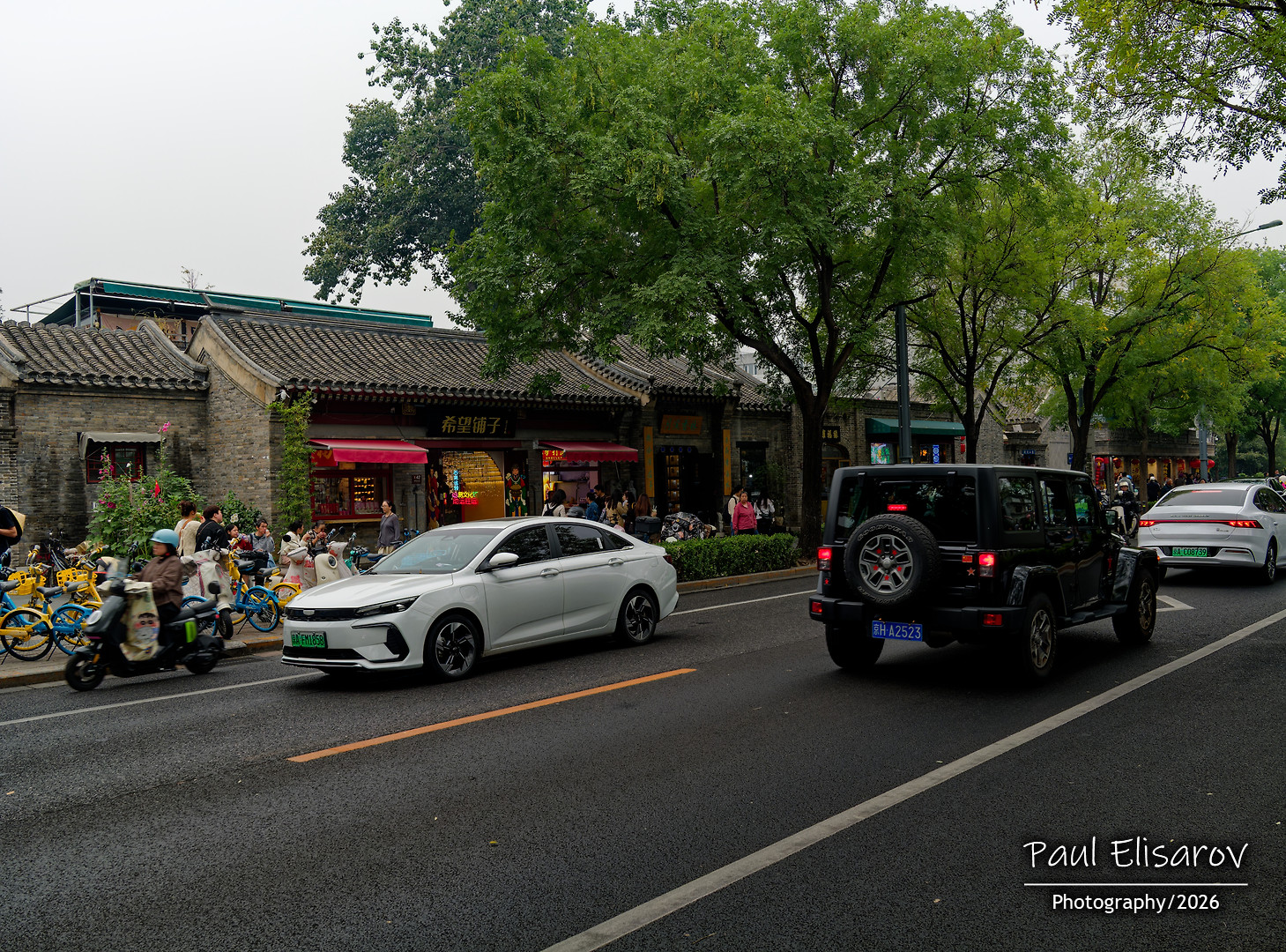 Second. No one forces anyone. At all. Not in the least. This is not rhetoric; it is mechanics: without a person’s application, nothing happens.
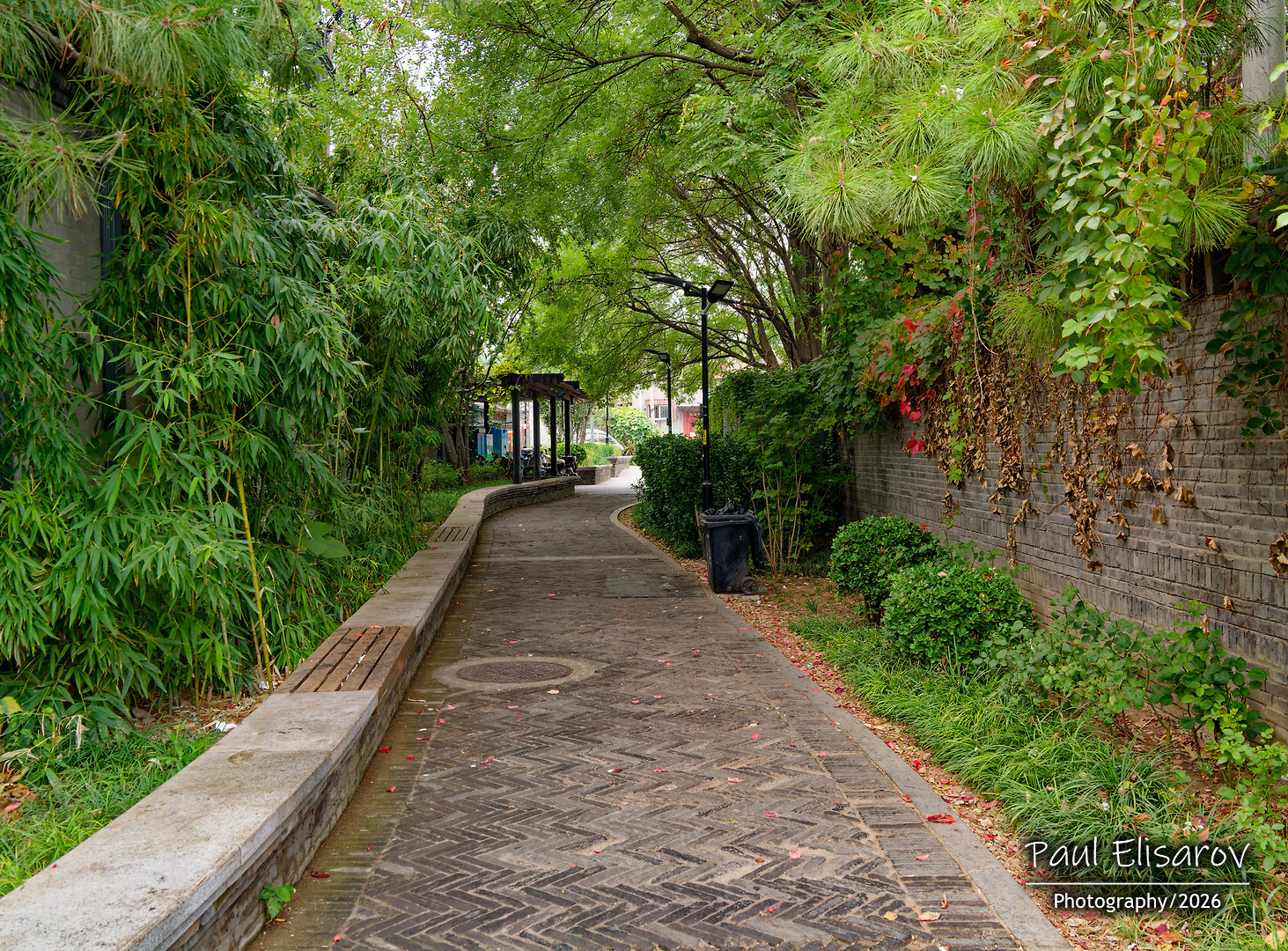
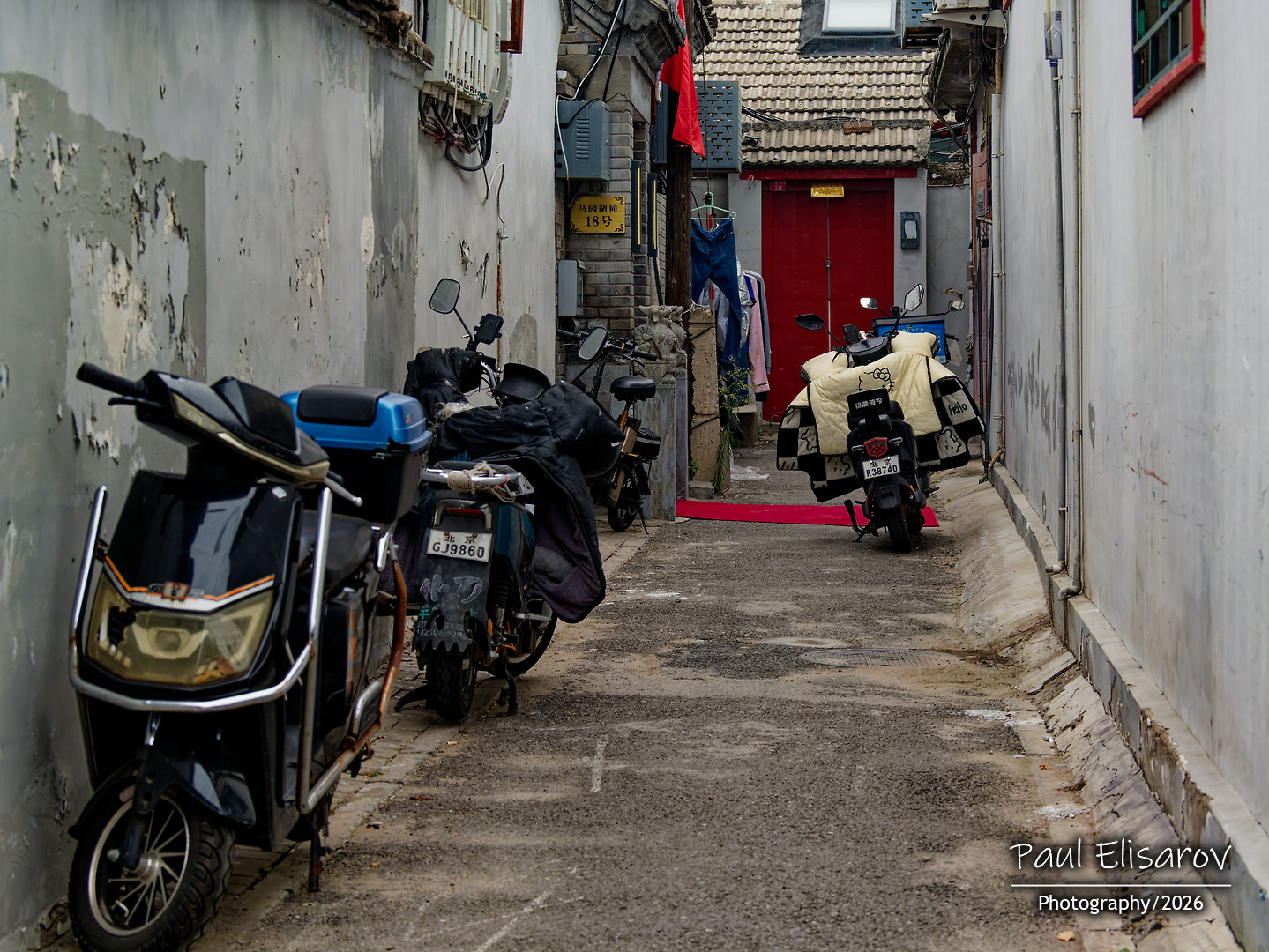 Third. Where they bought out, they did not demolish. They repaired. And they filled it not only with commerce but also with housing. In the lane 官书院胡同 (Guānshūyuàn Hútòng), I saw a courtyard restored in 2024 without any commercialization—simply carefully, quietly, preserving the authentic atmosphere. No signs. Just a courtyard in which people live.
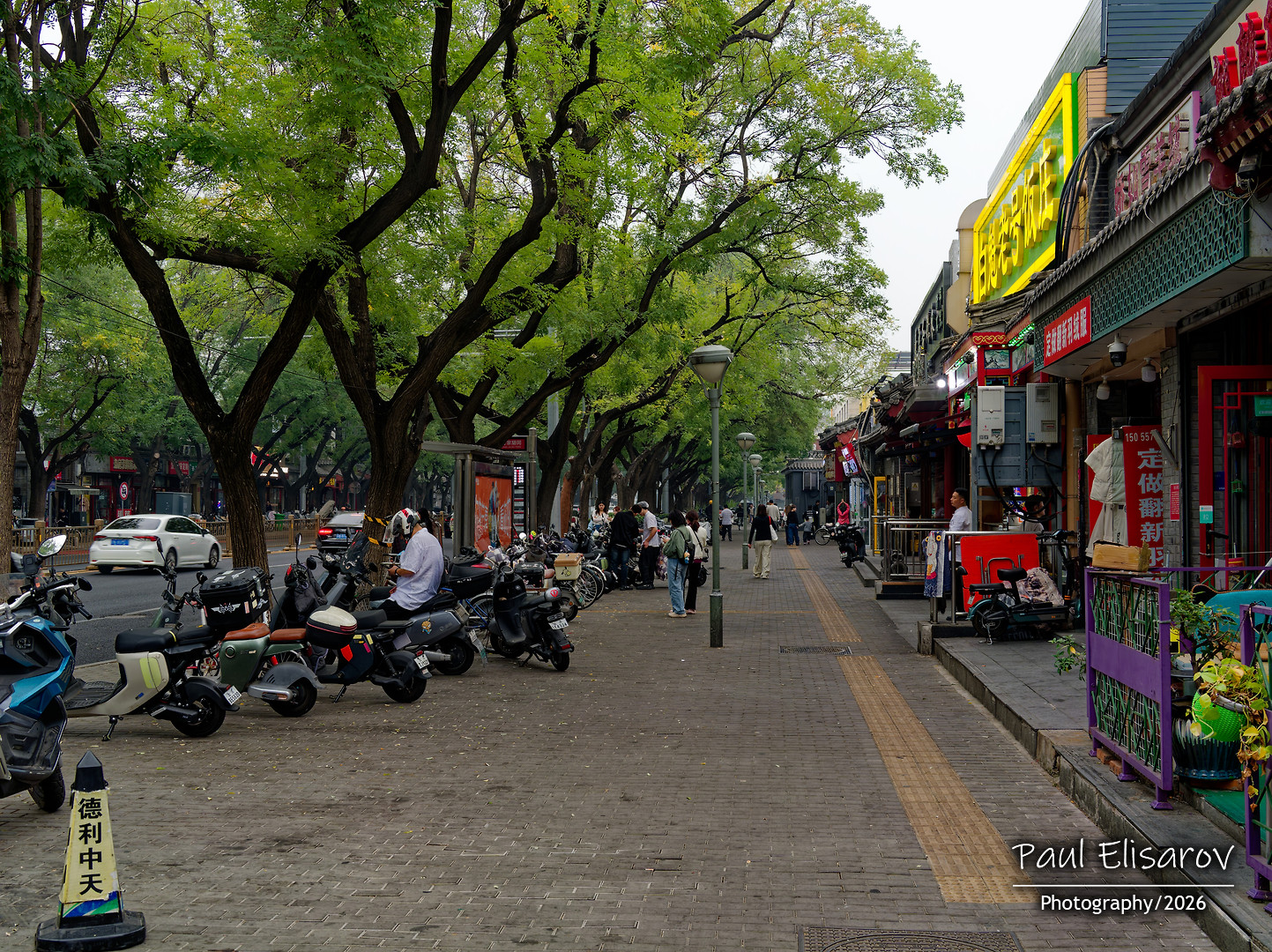
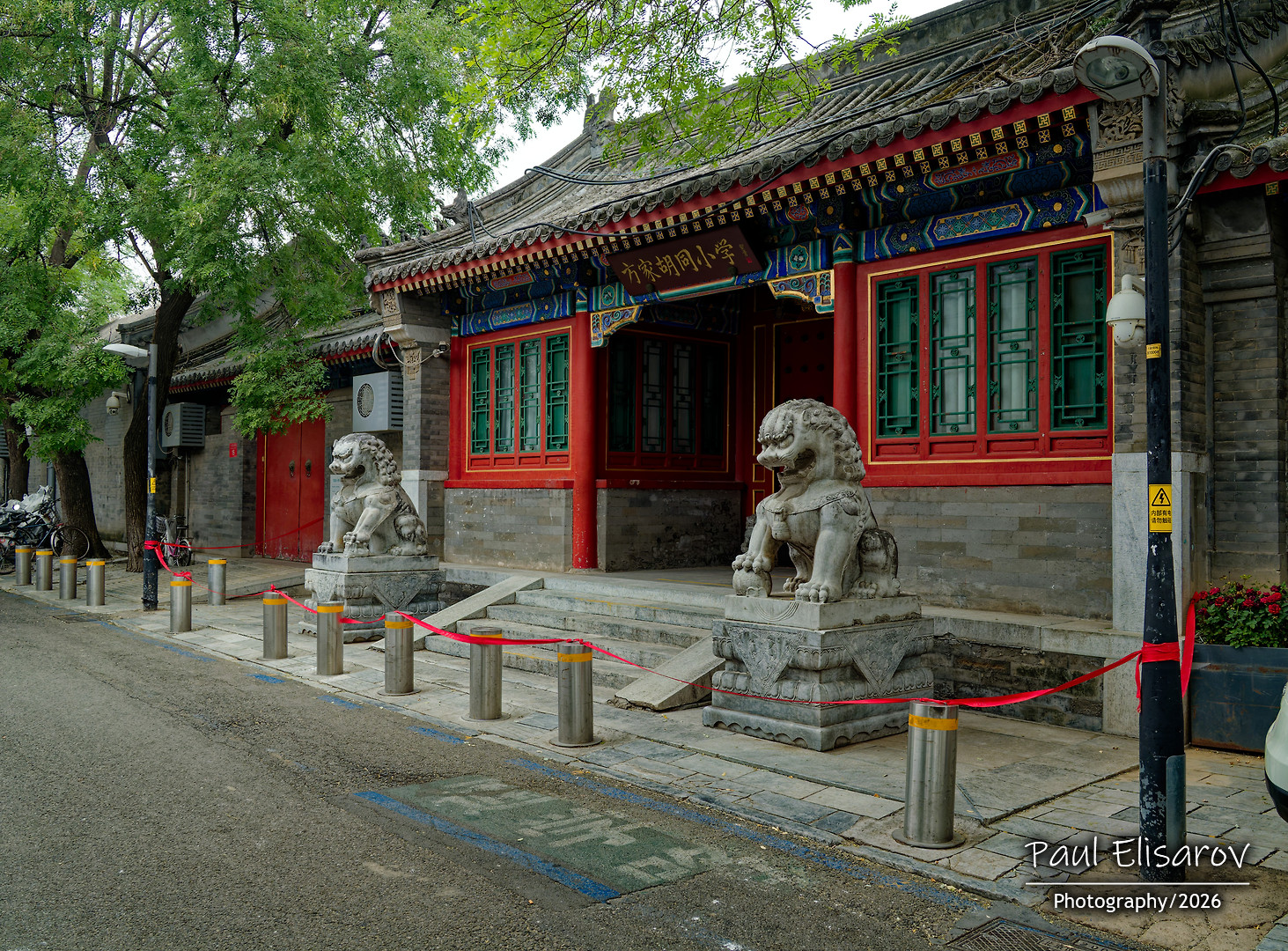
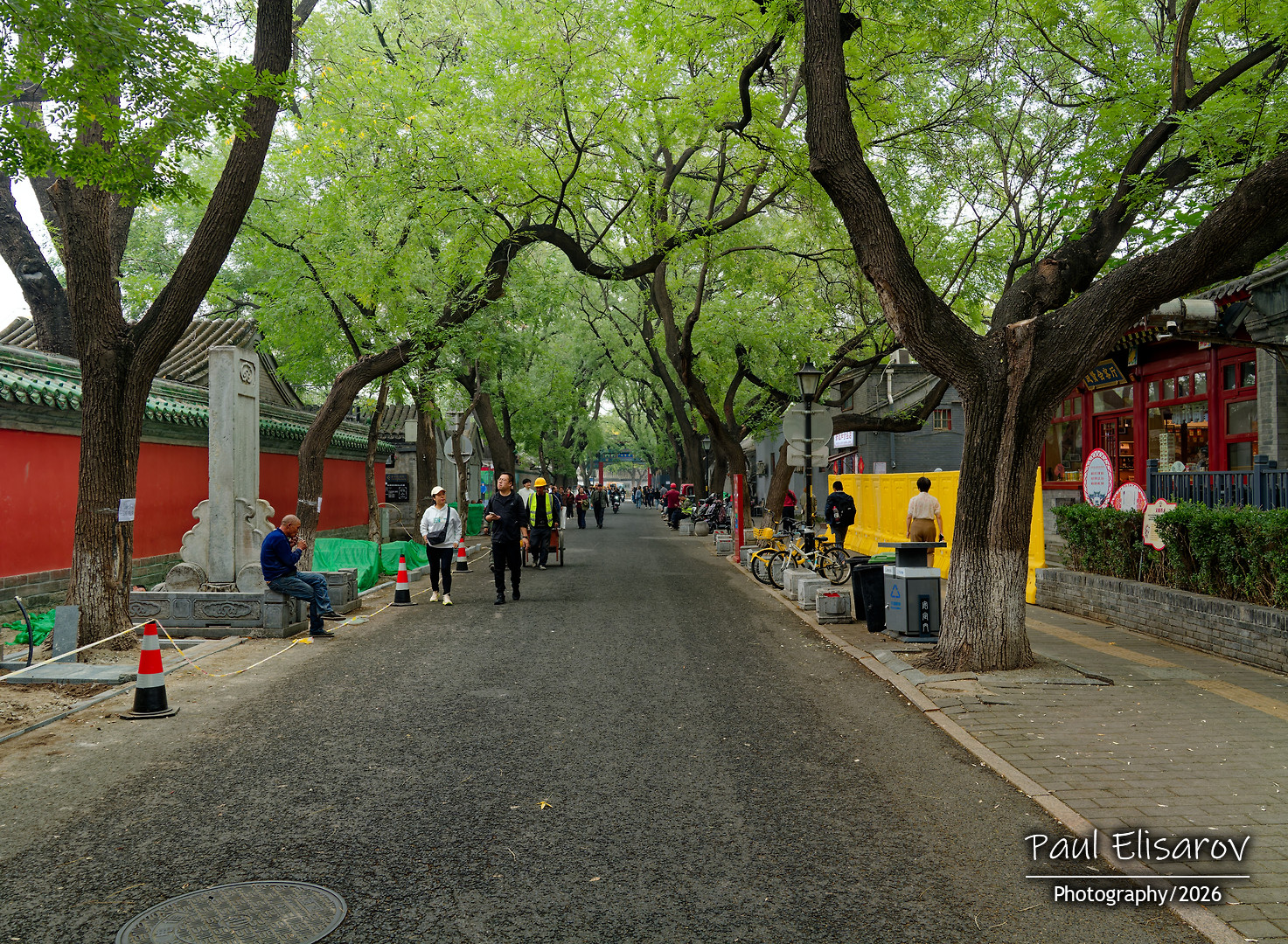
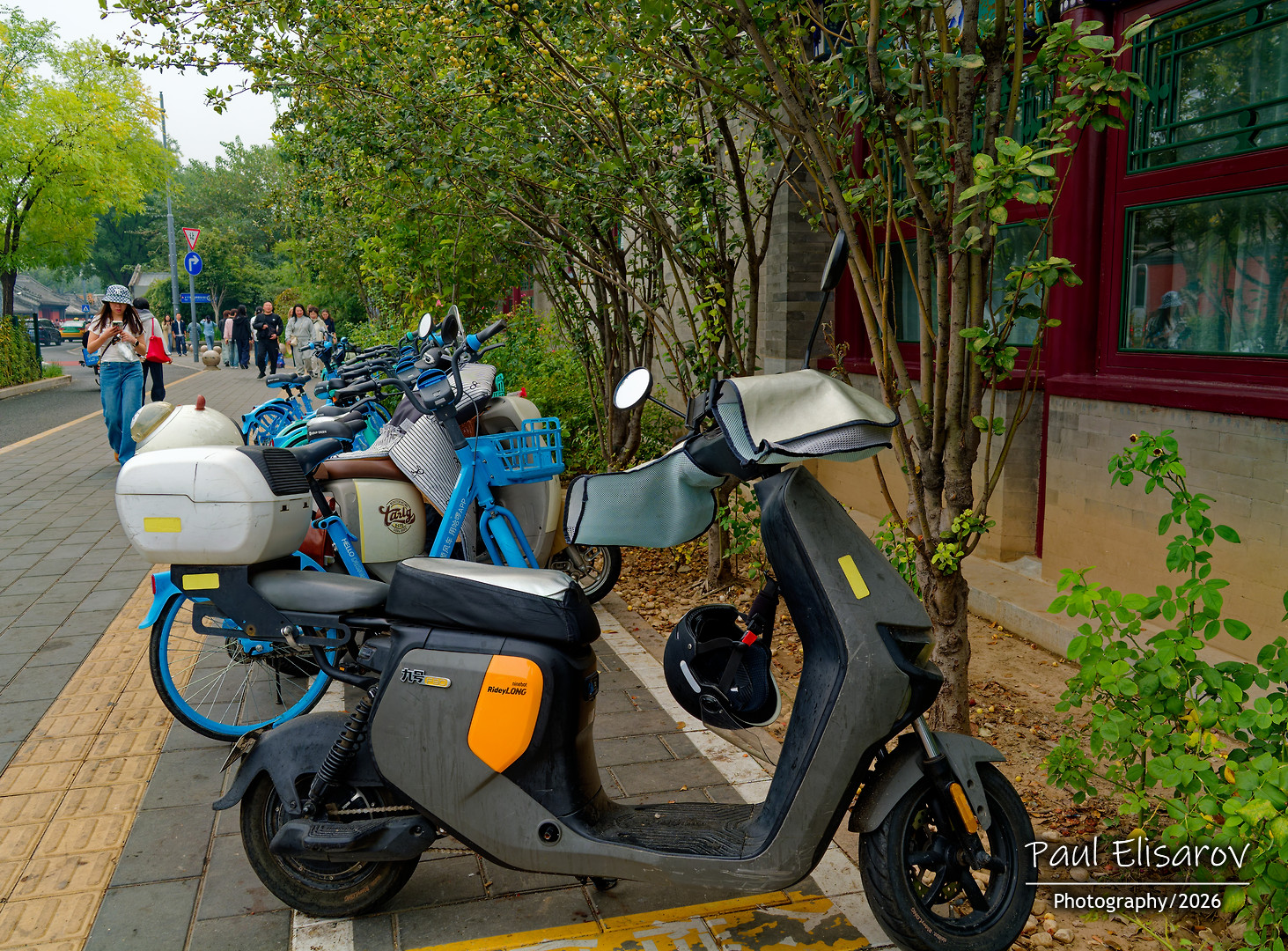 Fourth. 方家胡同 (Fāngjiā Hútòng)—that very lane that in 2018 was cleared of illegal structures and noisy bars. And you know what? They did not kill it. They returned it to silence. I stood there during the day and heard only bicycle bells and the conversation of two old women by the wall. This is exactly what I did not hear in 南锣鼓巷 (Nánluógǔxiàng) ten years ago.
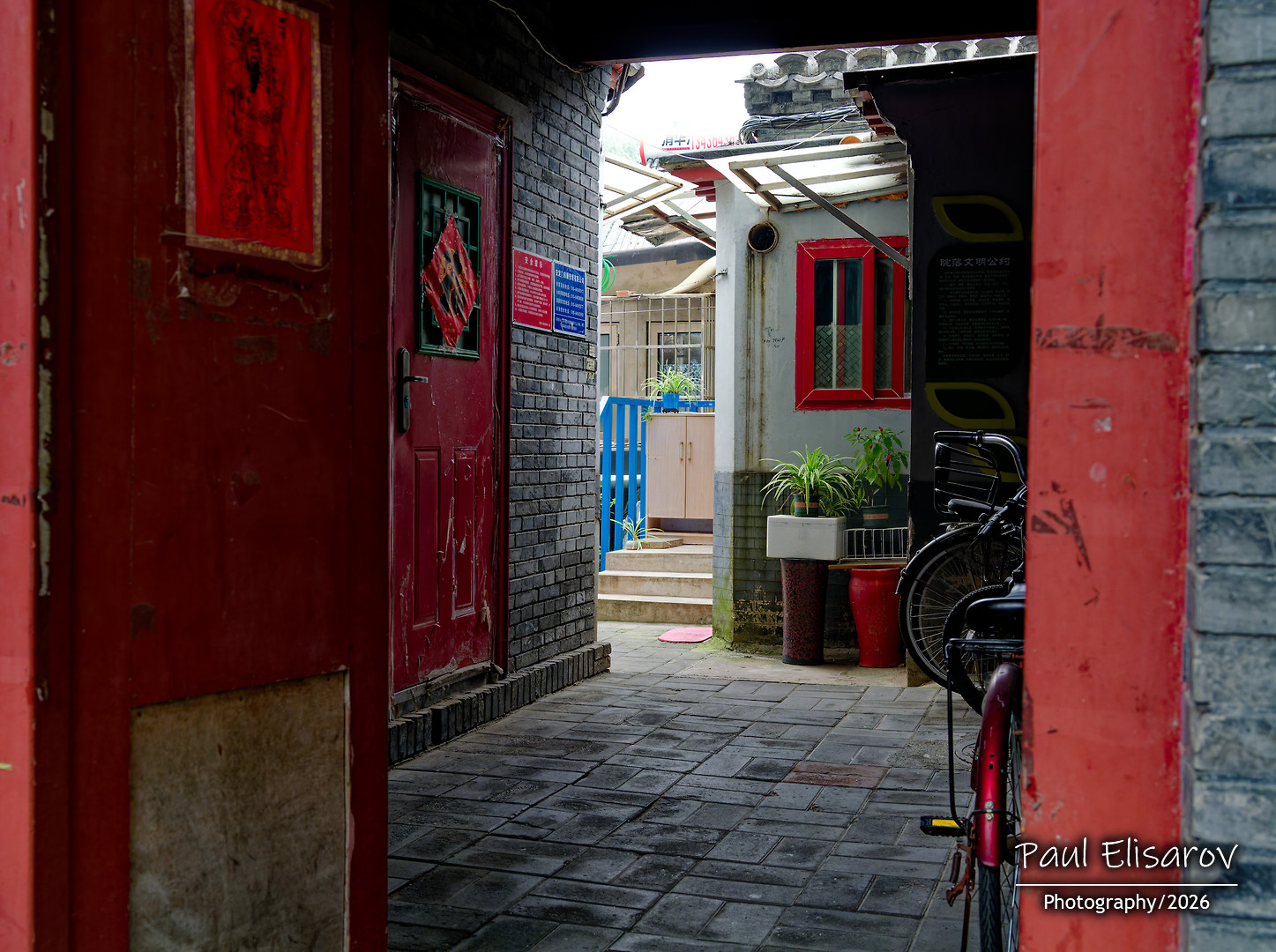 If I try to formulate the vector without lyricism, it looks like this:
 1990s: Demolish and rebuild something else anew. Loss of the city’s fabric.
2000s: Commercial reconstruction, an “open-air mall,” empty storefronts.
2010s: Point pilots, unevenly, but exceptions appeared.
2019–2026: Hybrid: preserve + improve + integrate a residential neighborhood, changing it minimally, even using old bricks, but with modern conveniences.
1990s: Demolish and rebuild something else anew. Loss of the city’s fabric.
2000s: Commercial reconstruction, an “open-air mall,” empty storefronts.
2010s: Point pilots, unevenly, but exceptions appeared.
2019–2026: Hybrid: preserve + improve + integrate a residential neighborhood, changing it minimally, even using old bricks, but with modern conveniences.
 The main change is not architectural. It is procedural. Power shifted from order to application. From “we decided” to “you decide.” And this is not because the authorities became kinder, but because it turned out that forced relocation costs more than dialogue. Social resistance, courts, reputation, empty neighborhoods that do not pay off. Economics itself forced them to listen.
 And one more thing I often think about. A hutong is not buildings. Buildings can be copied, which is what they did in the 2000s. What cannot be copied is neighborliness: the fact that the old woman from the third courtyard knows whose cat this is, and that the neighbor across the wall will put on a kettle for you if your water has been cut off. In 姚江胡同 (Yáojiāng Hútòng) and 雨儿胡同 (Yǔ’er Hútòng), stations 珠市口 (Zhūshìkǒu, Line 8) and 南锣鼓巷 (Nánluógǔxiàng, Lines 6 and 8), this neighborliness was deliberately preserved by leaving long-time residents in place. That is precisely why these projects seem alive, while 前门大街 (Qiánmén Dàjiē), station 前门 (Qiánmén, Lines 2 and 8)—does not.
 I am not Chinese. I do not live here. I have no right to speak on behalf of Beijingers, and I will not.
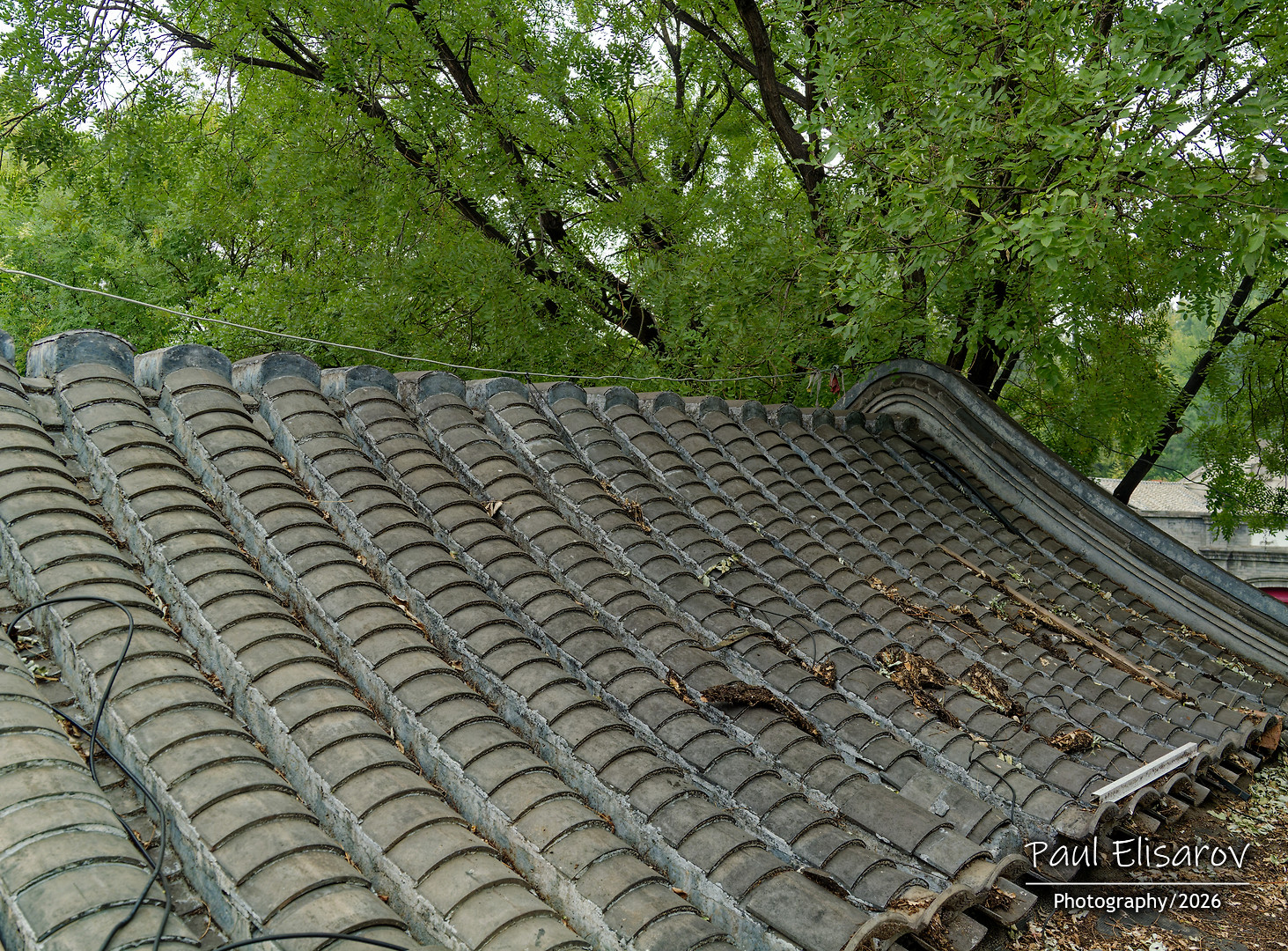
 But I stood in 2026 in a lane between 雍和宫 (Yōnghégōng) and 安定门 (Āndìngmén), and pigeons with whistles flew over the roofs, and somewhere behind a wall someone was cutting onions, and it smelled of scholar trees, and a boy on a bicycle went around a cat that did not even think of moving, because this is its lane, not the boy’s.
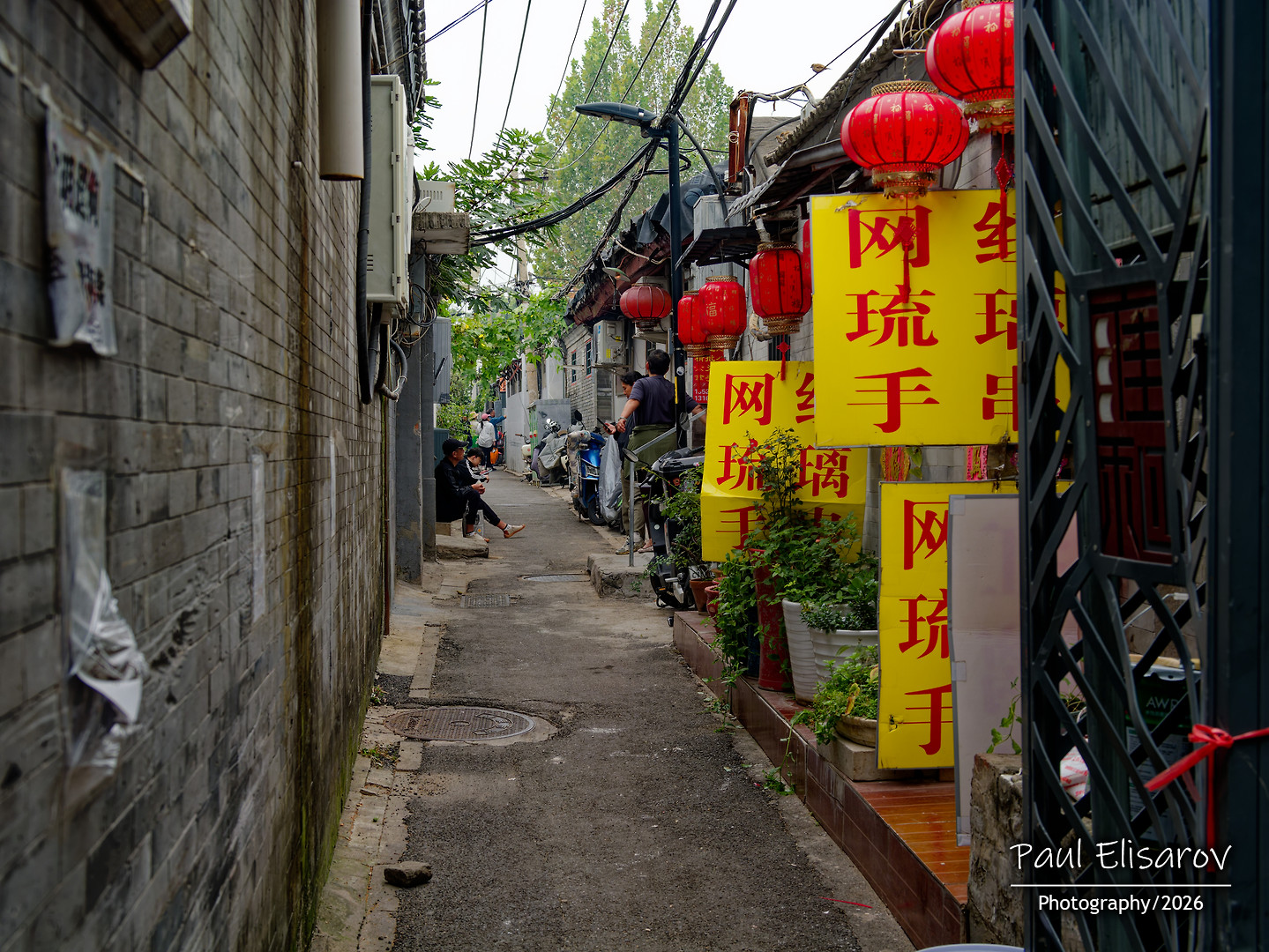 Twenty years ago this place could have been destroyed. Or a shopping center with signs in two languages could have stood there. Or it could have been a neat stage set without people.
 Now—they live.
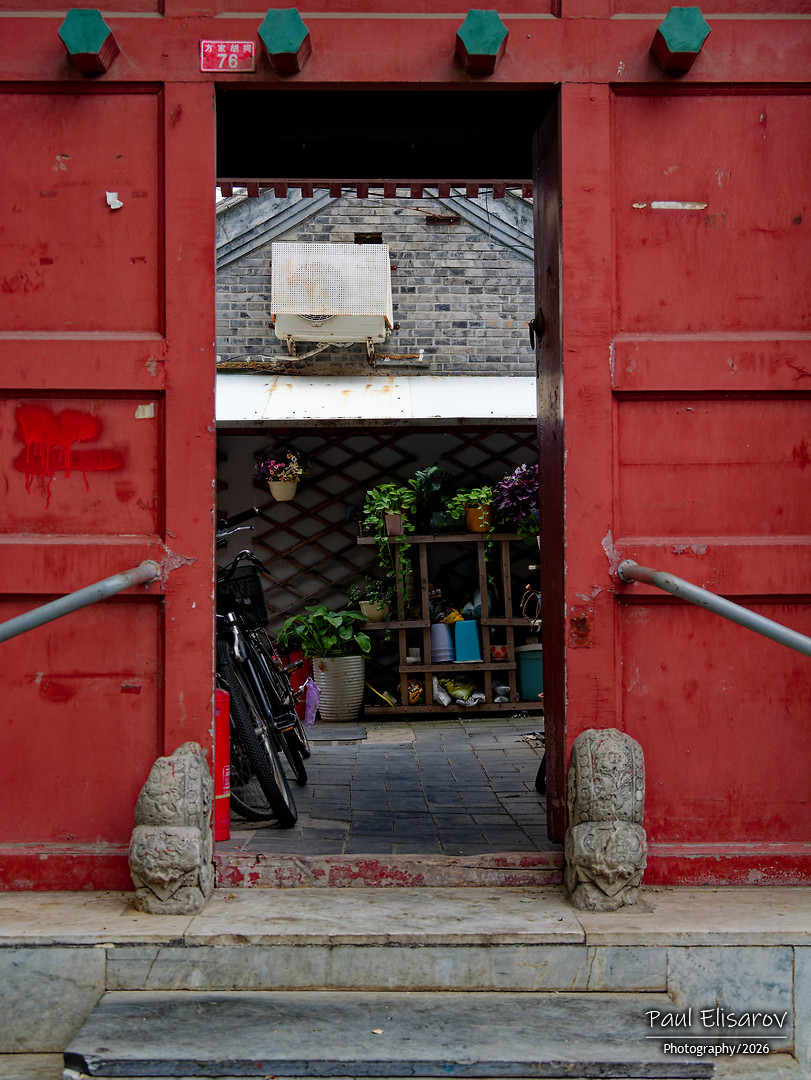 This is not a victory. It is a process that can reverse as soon as economics or politics decide that dialogue is too slow. I know this. But I also know that over these twenty years Beijing learned one important thing: a city cannot be restored if you remove the people from it. A building can be restored. A city cannot.
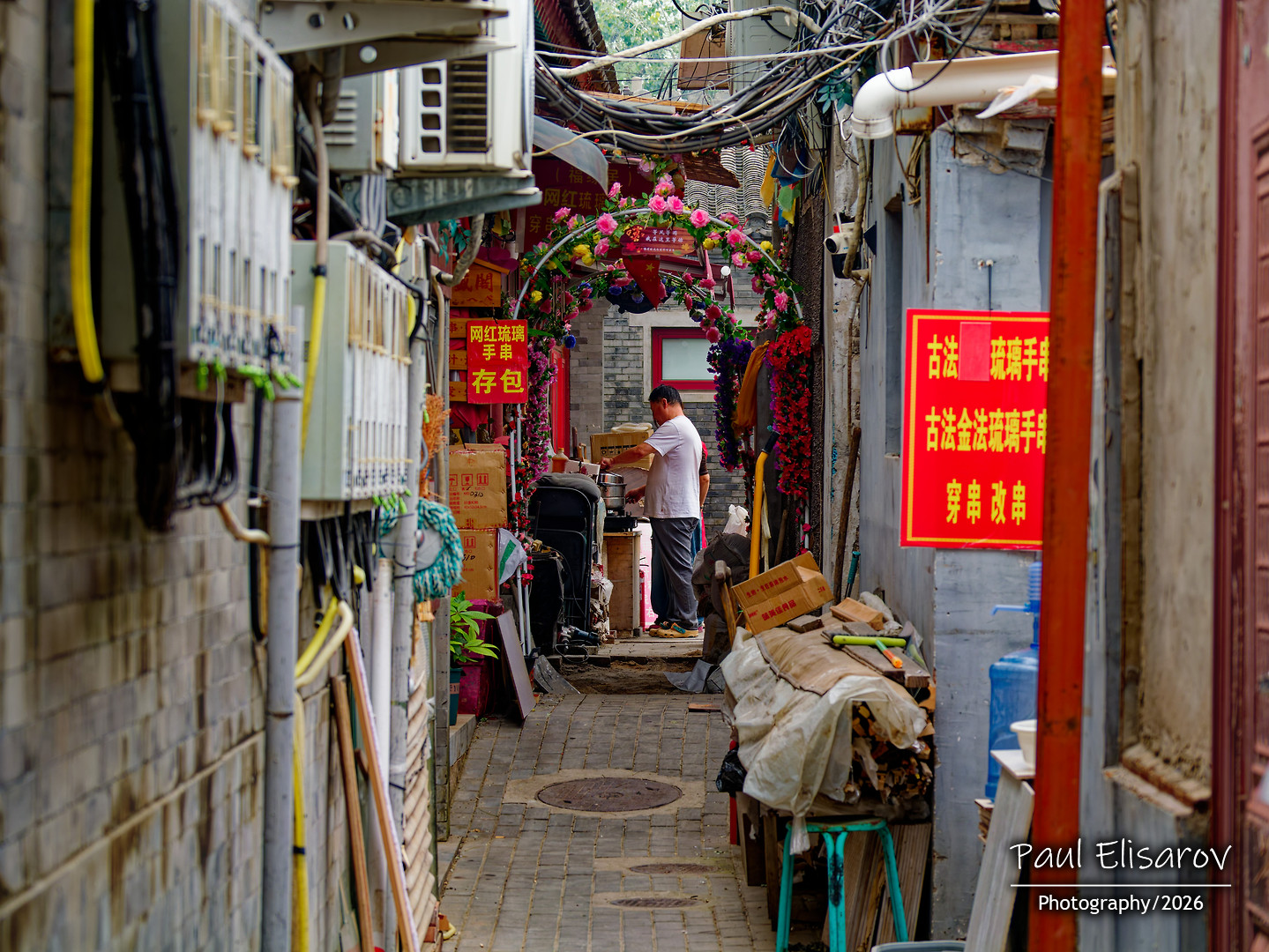 And if you are ever in Beijing, do one thing. Come out of the metro at 雍和宫 (Yōnghégōng, Lines 2 and 5) or 安定门 (Āndìngmén, Line 2), turn into any lane, and just stand for five minutes. Do not take photos. Just stand.
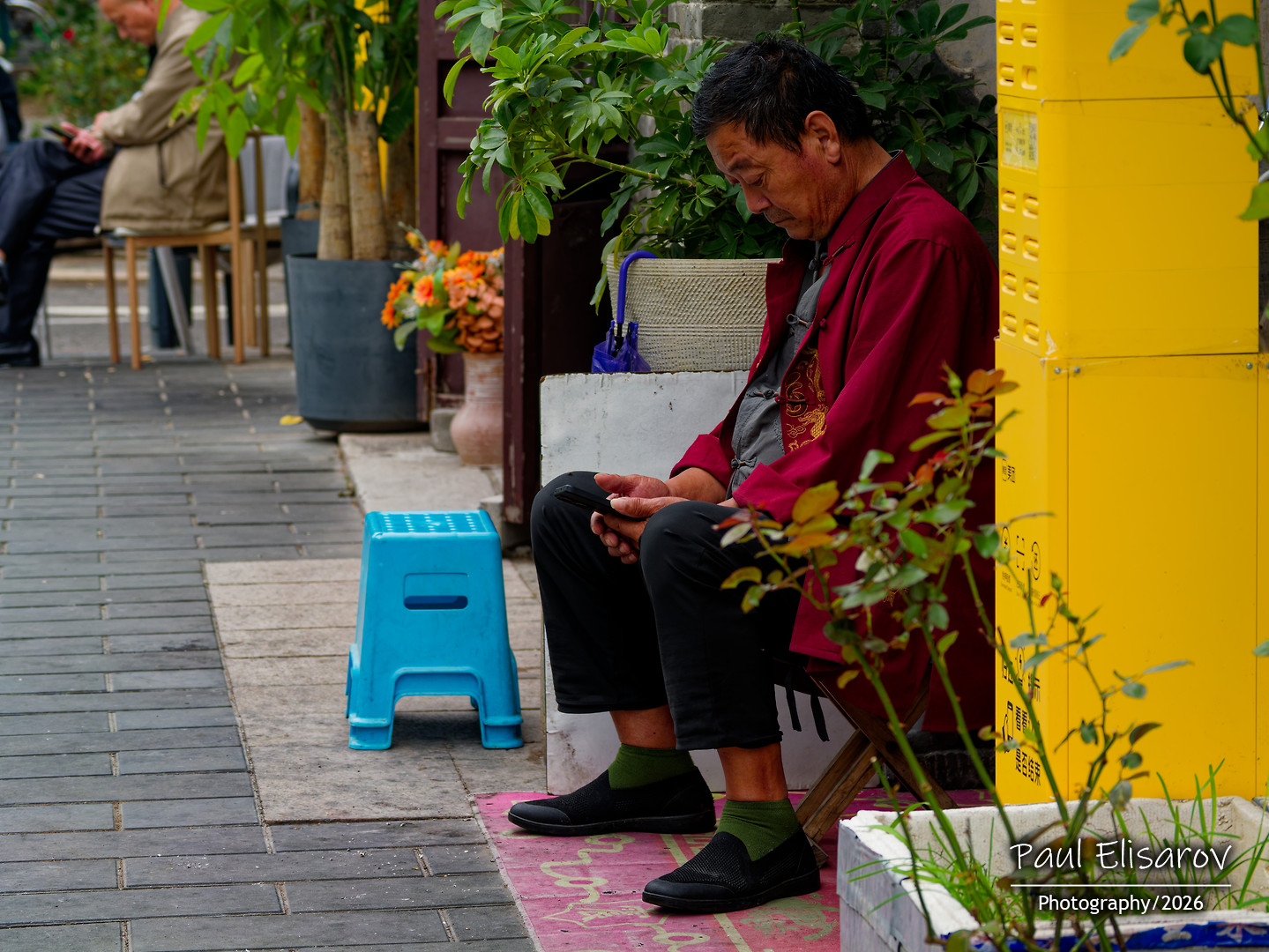 If you hear pigeons and smell food, then the hutong is still alive.
4 views