DaGuanYuan: The Beijing Park That Was Built for Your Camera
I've wandered through a fair share of Beijing's parks, and let me tell you — this city doesn't do "just a park." Every green space here has layers, history, and something to point a lens at. But DaGuanYuan? That one hit different.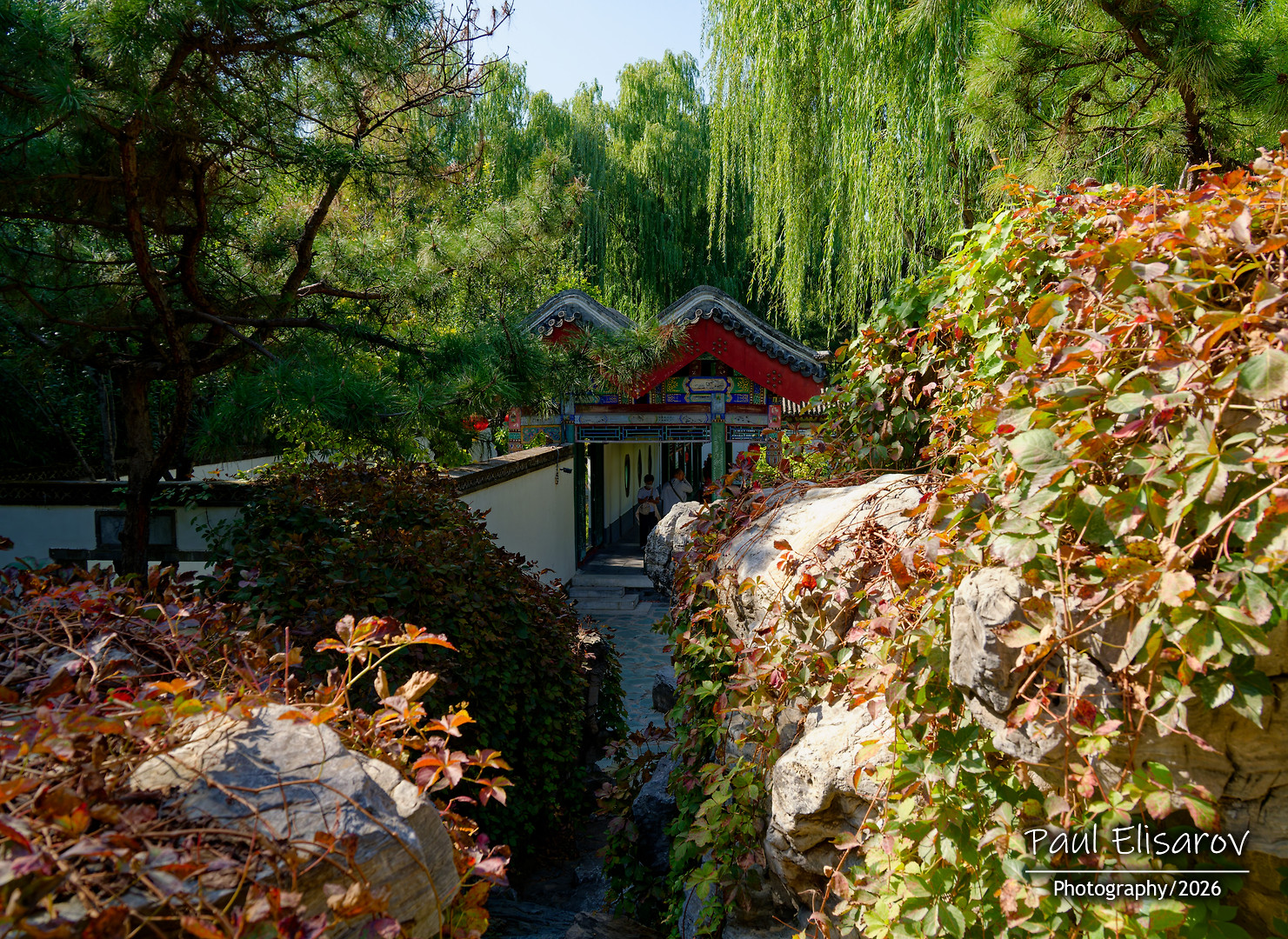 I'm writing this as a guy who spent the better part of a day there with my Lumix G9-II and the Olympus 12-100/4 Pro glued to my hands. By the end, I'd racked up hundreds of shots and still found myself muttering "just one more" as the light shifted. This isn't a review. It's more of a "why haven't you gone yet" nudge.
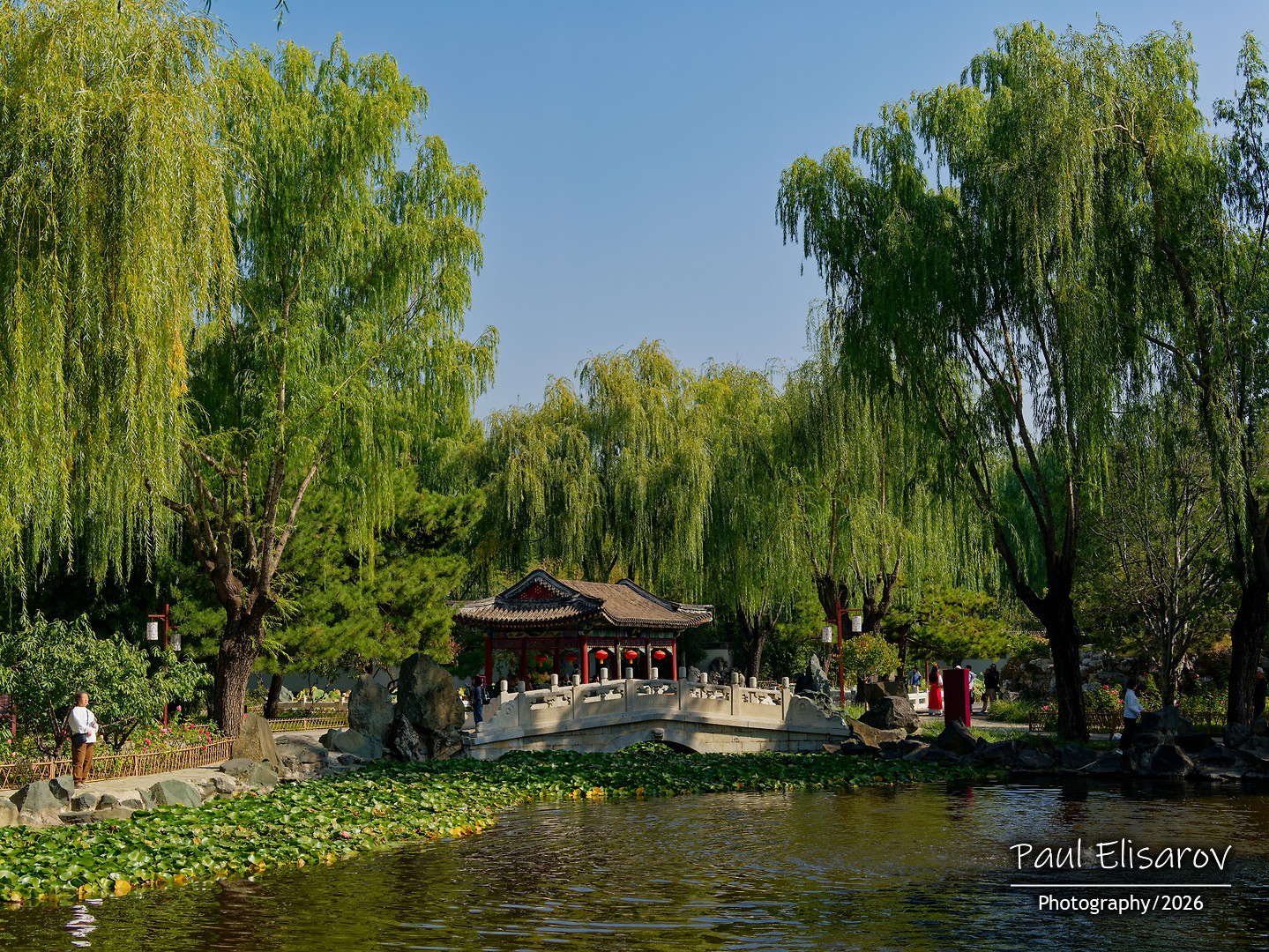
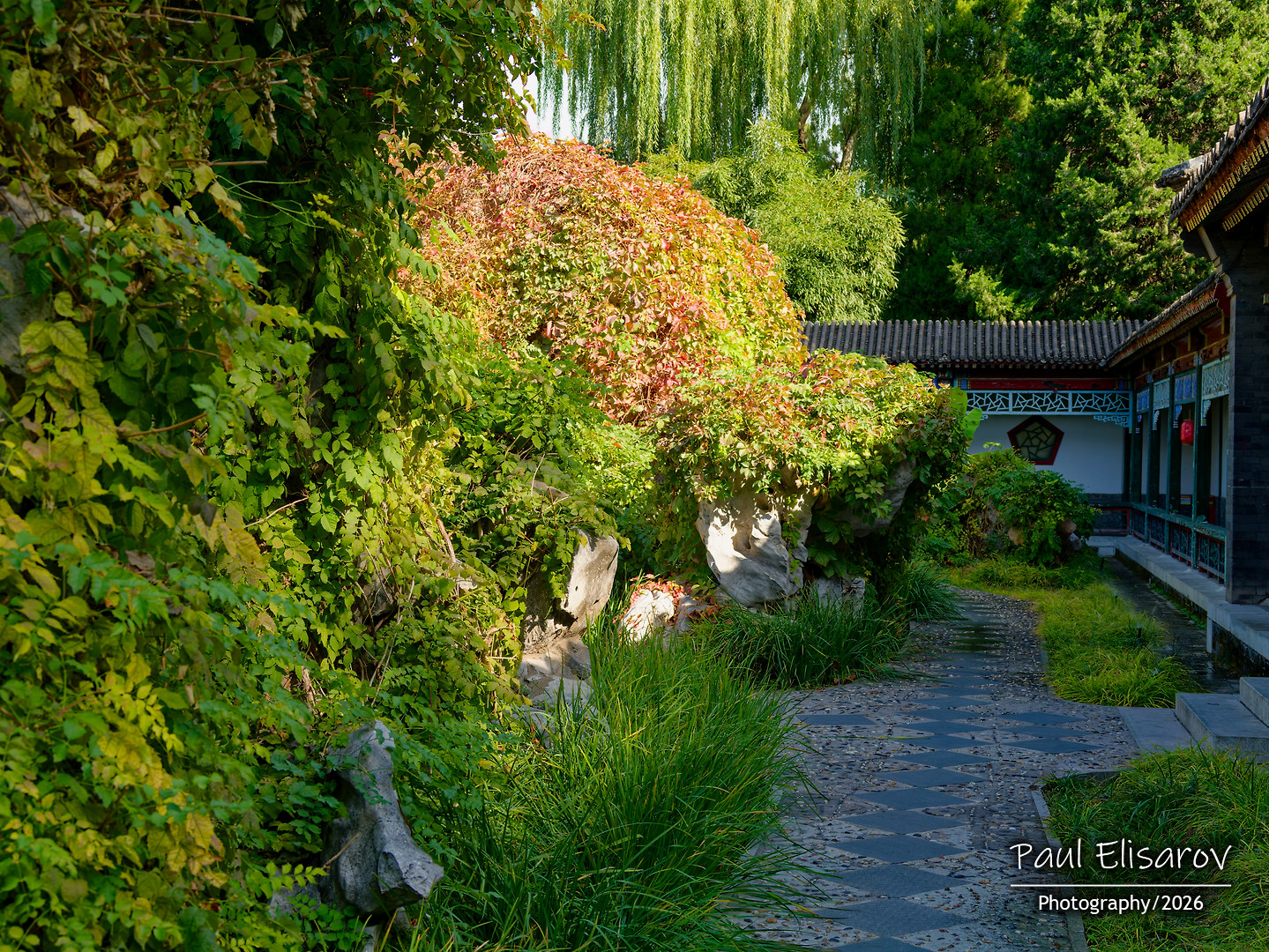
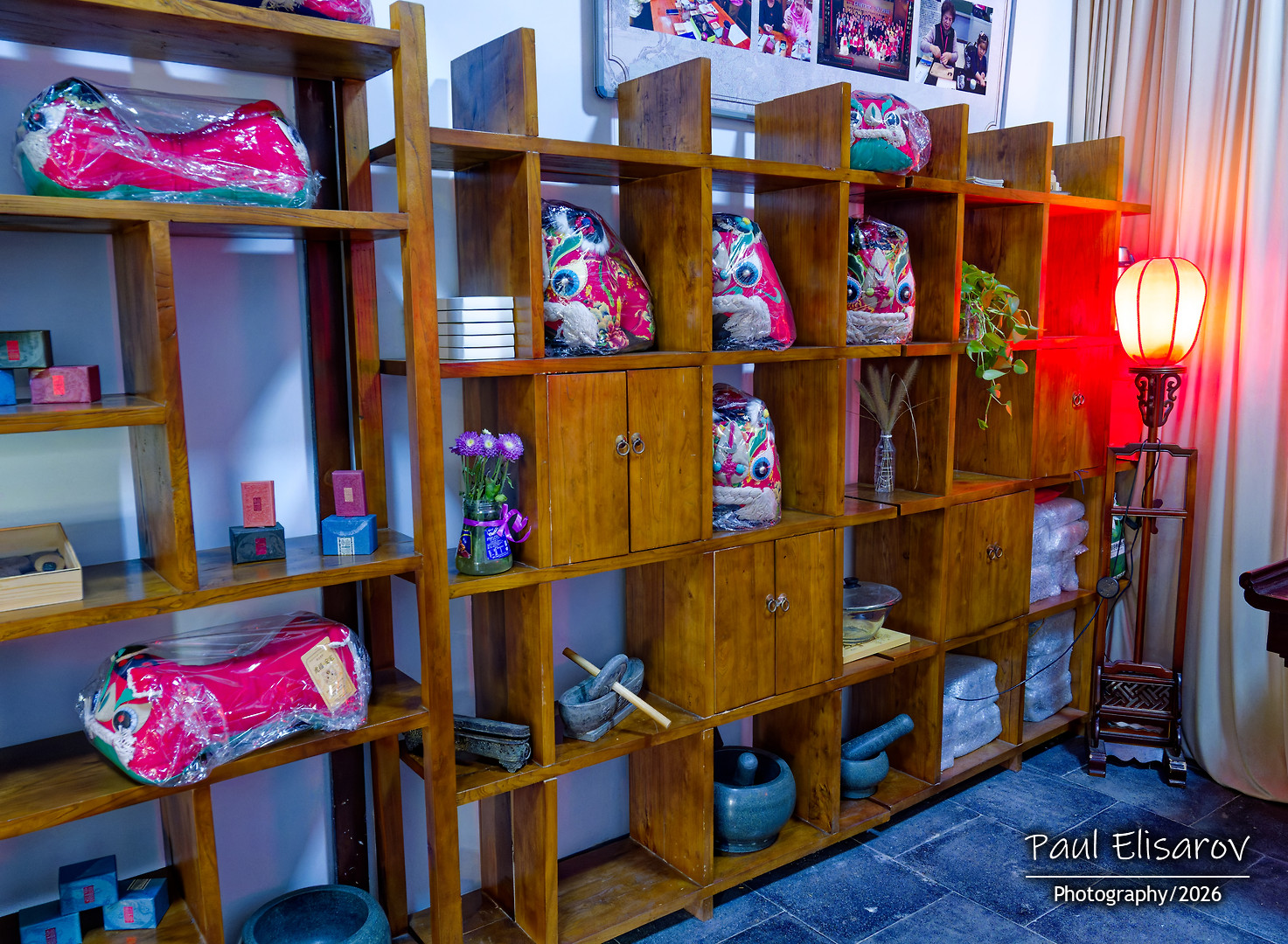
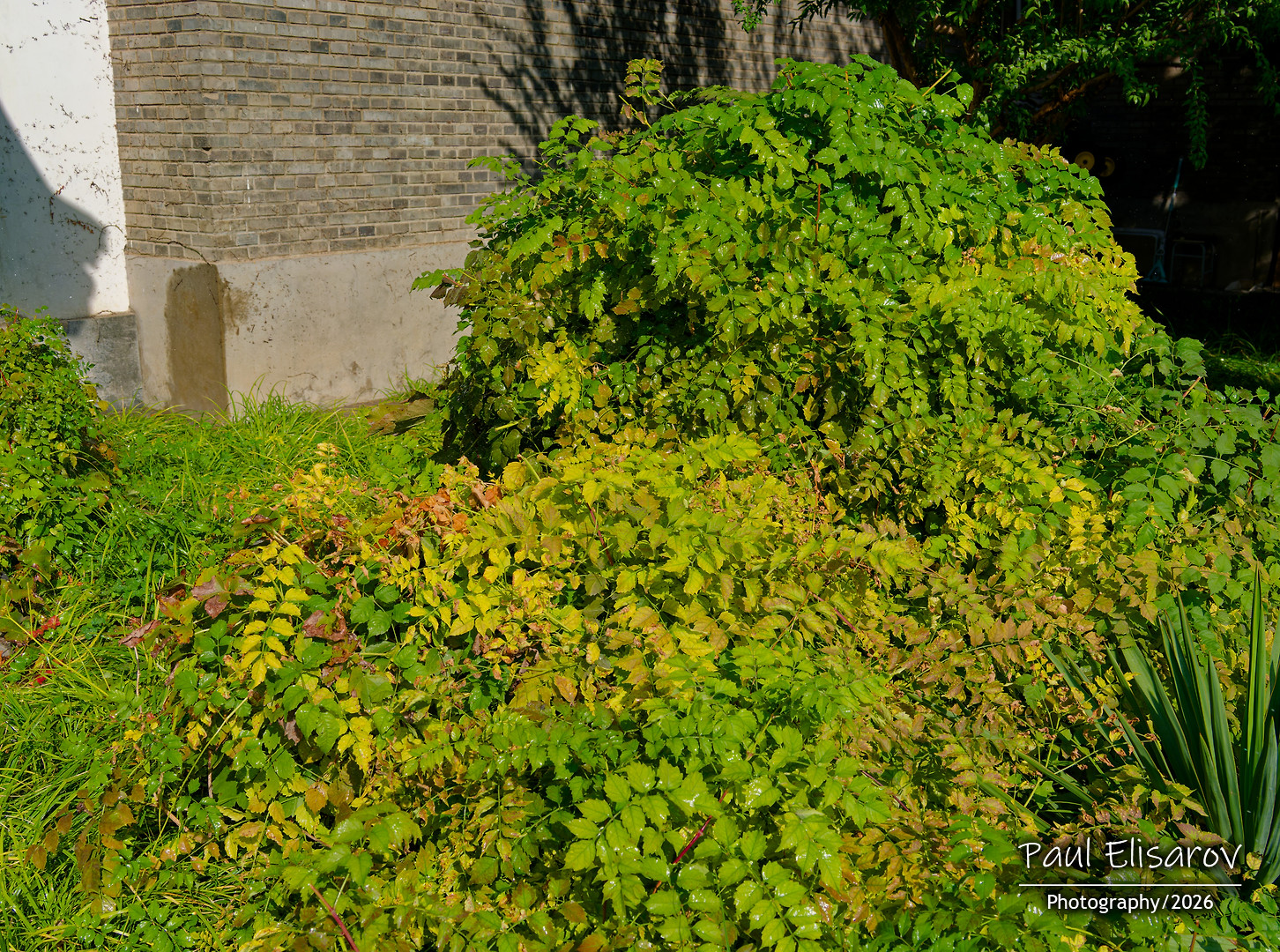
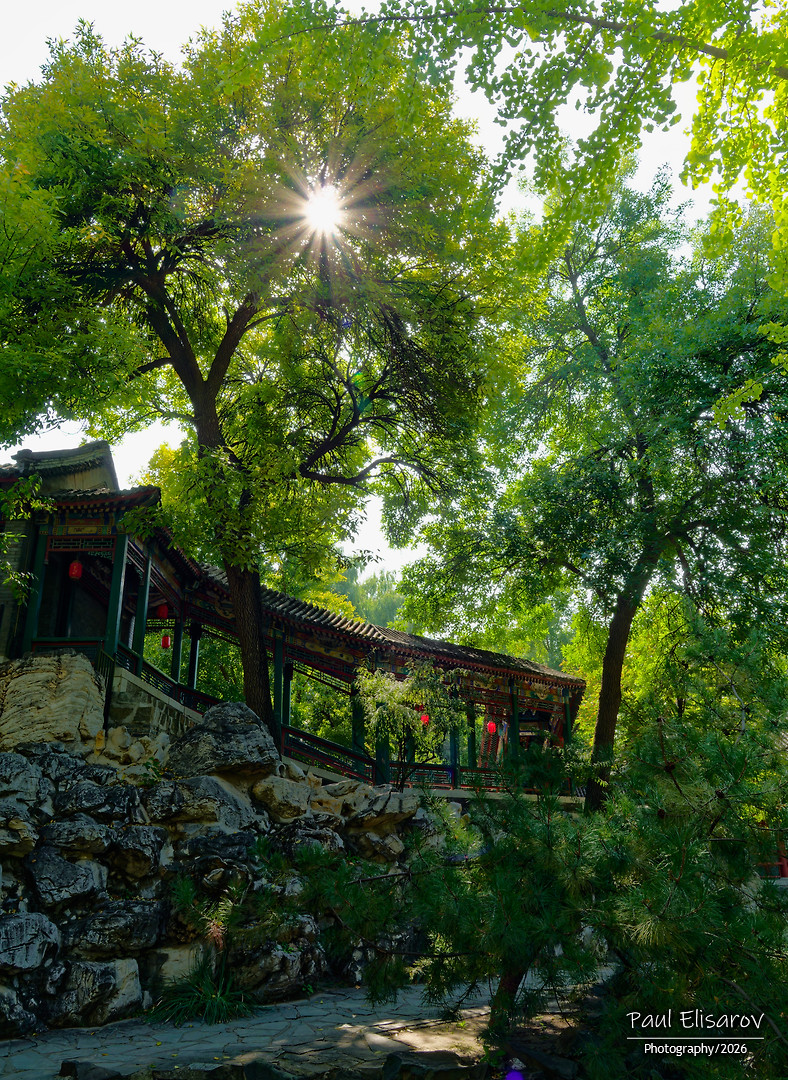
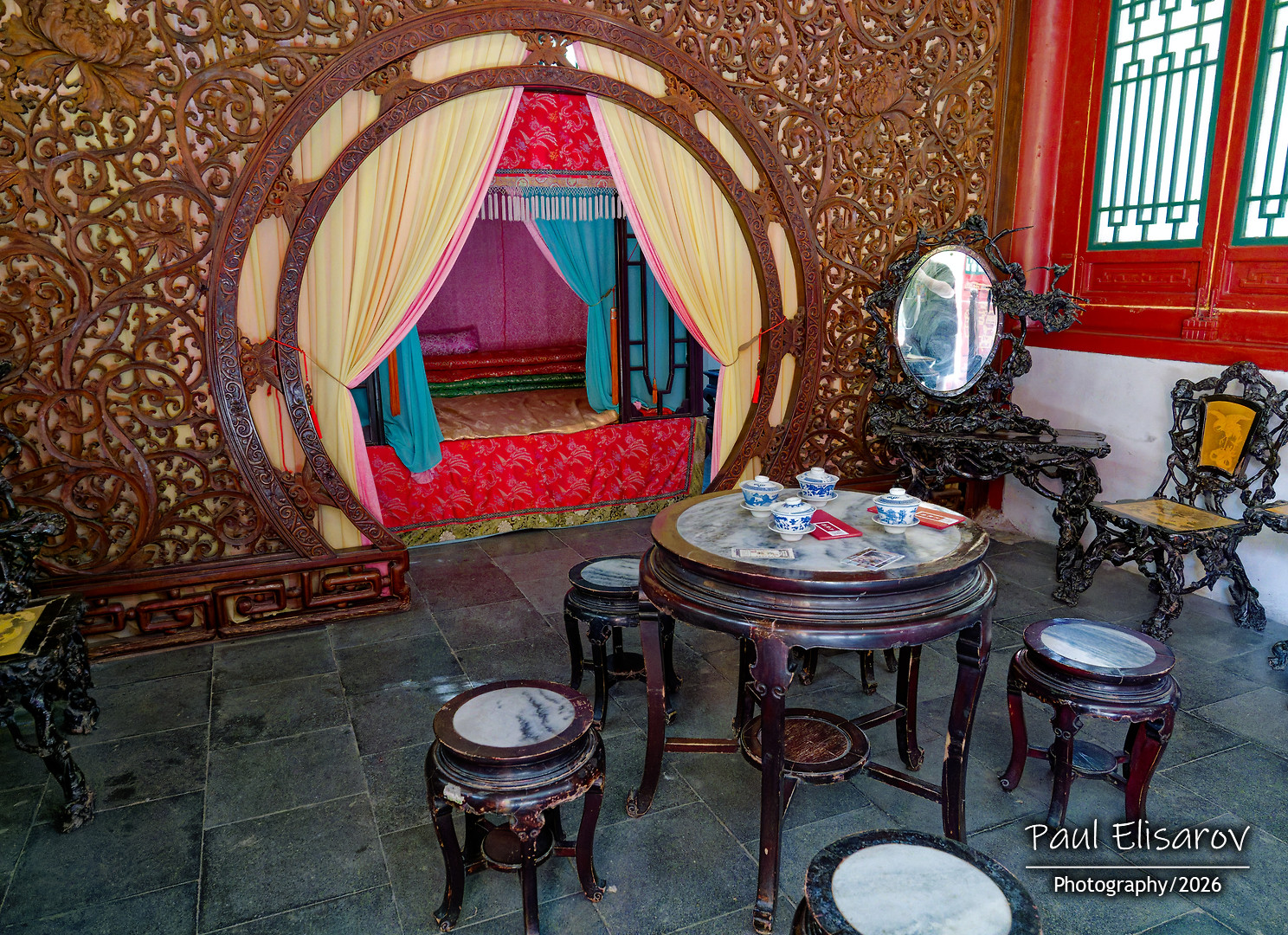
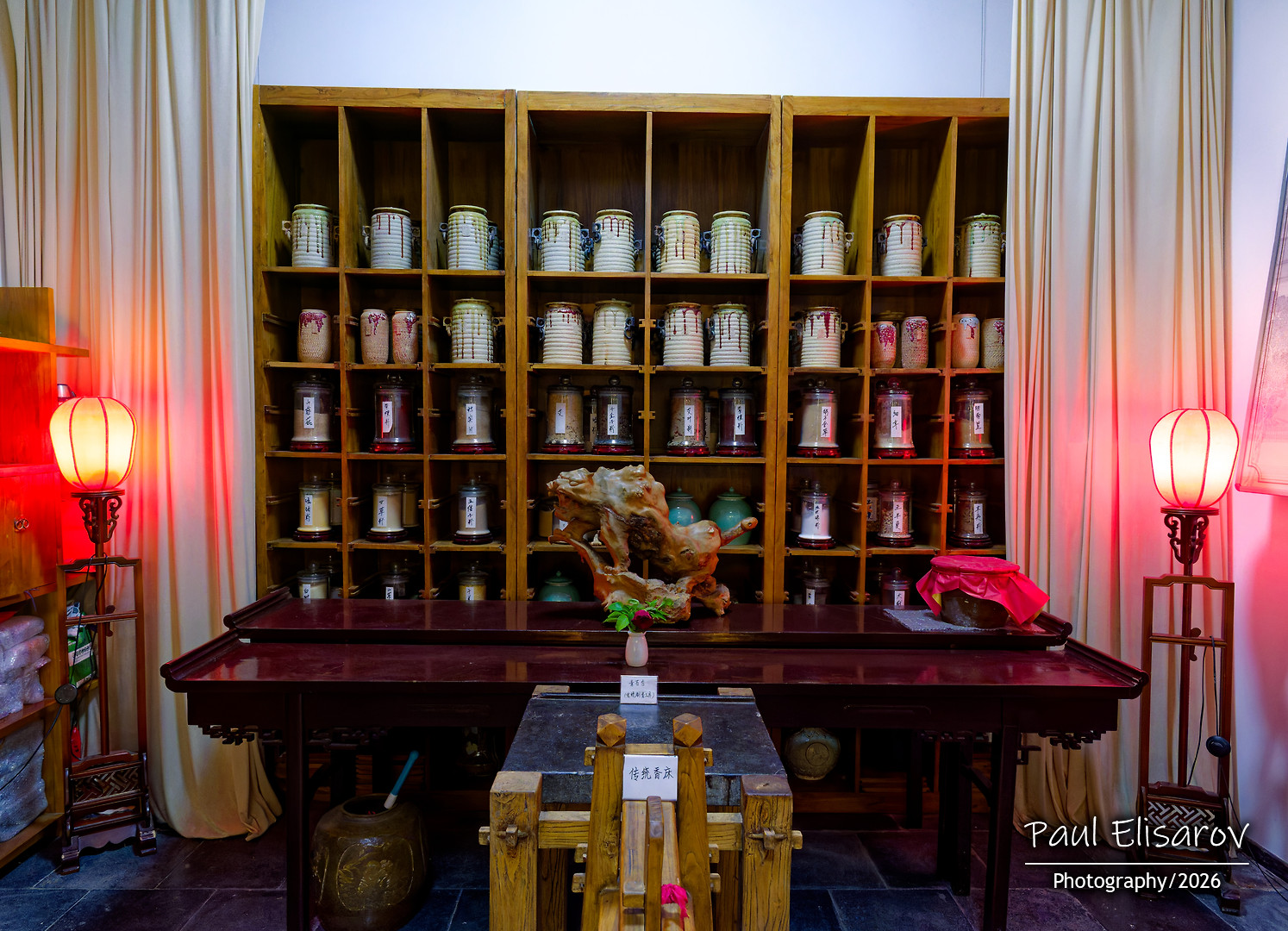
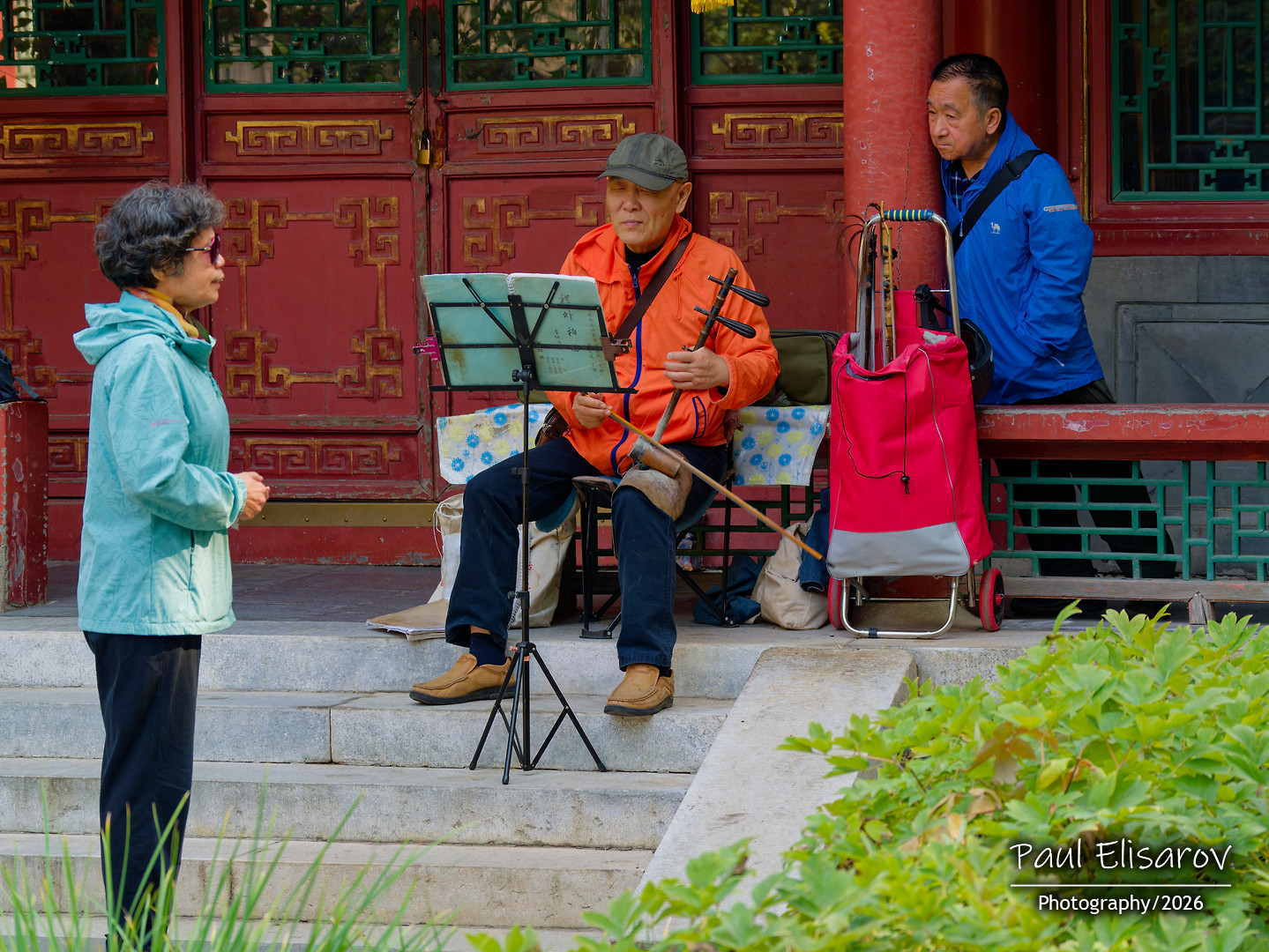
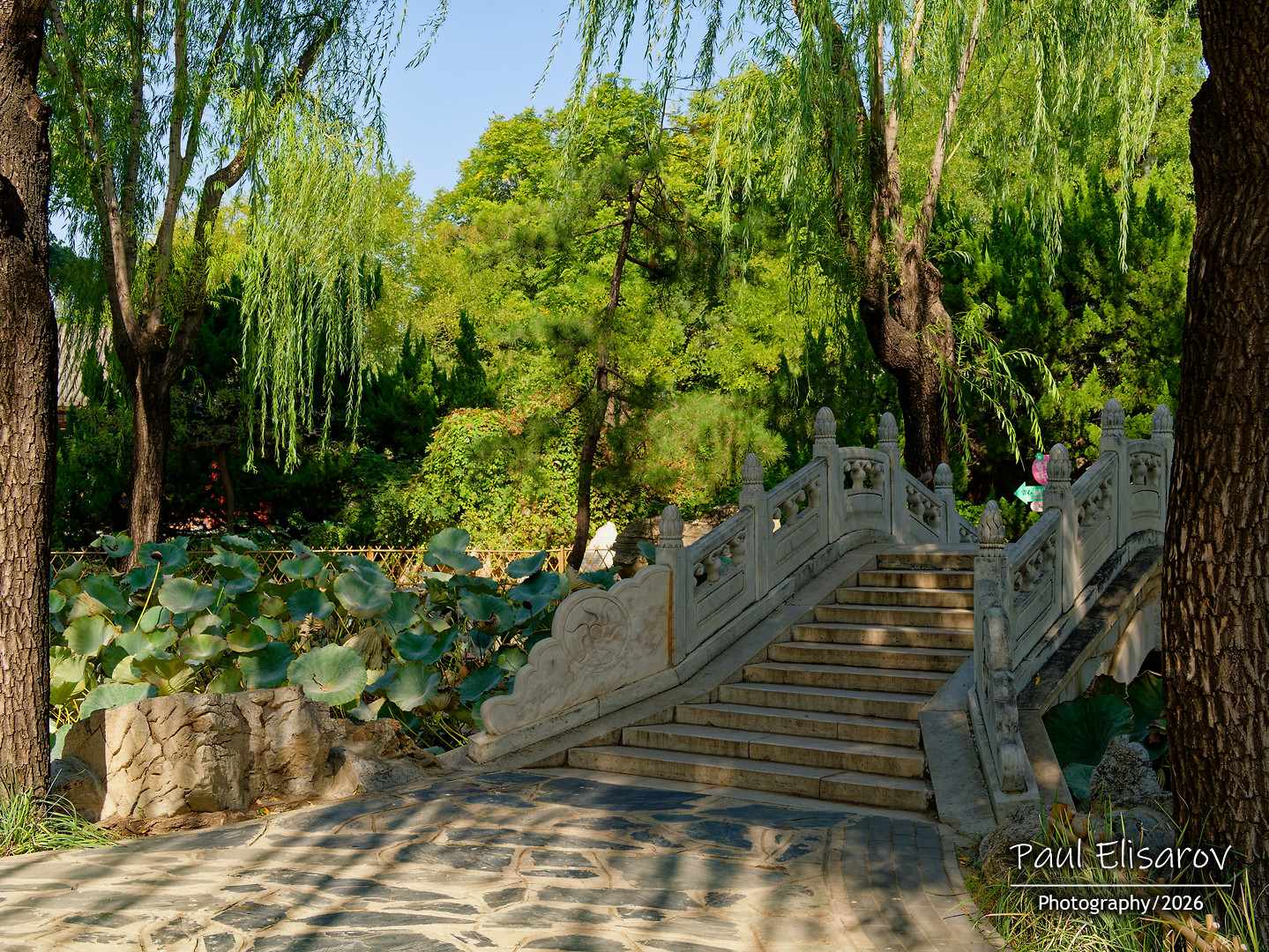
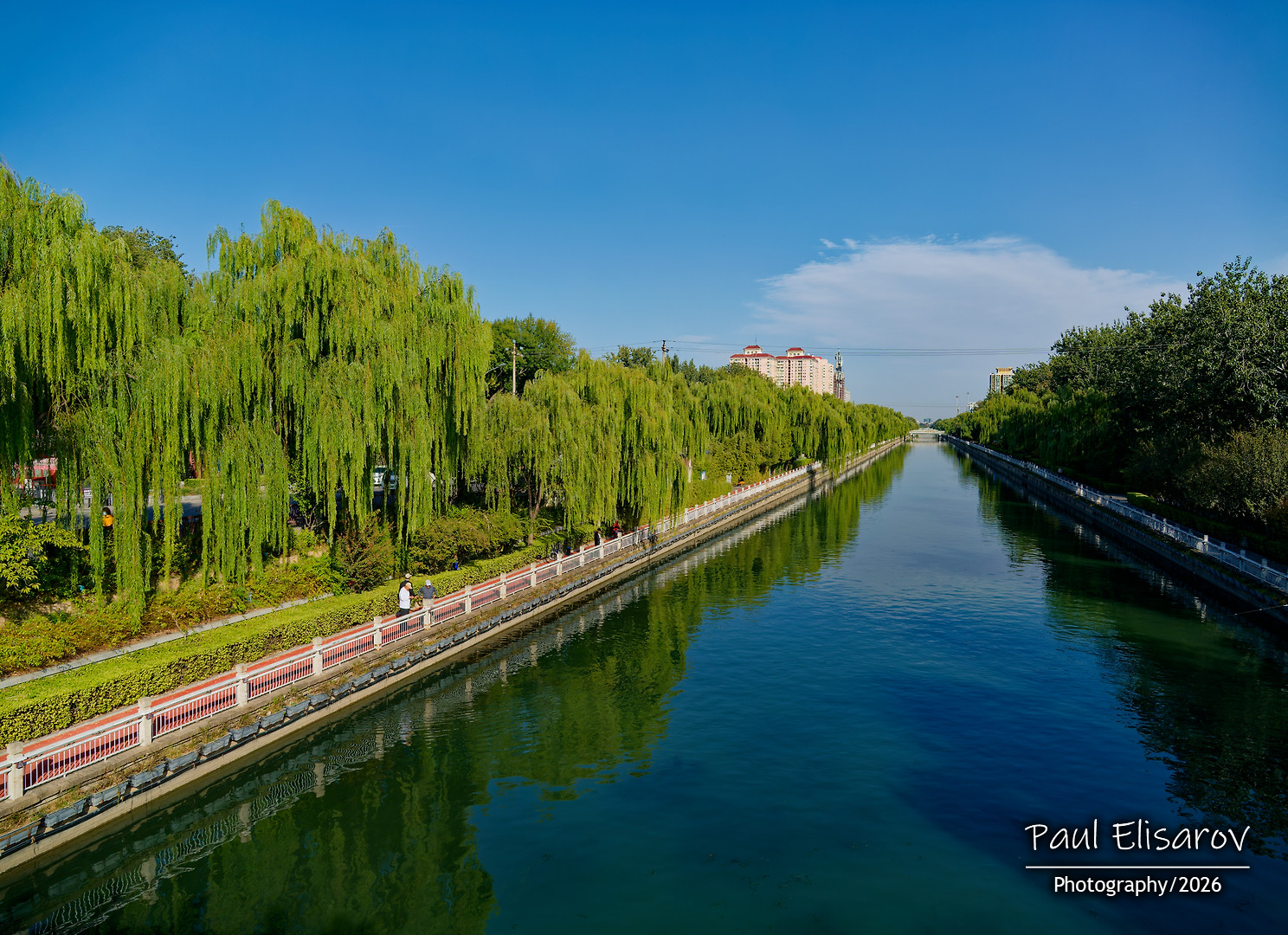
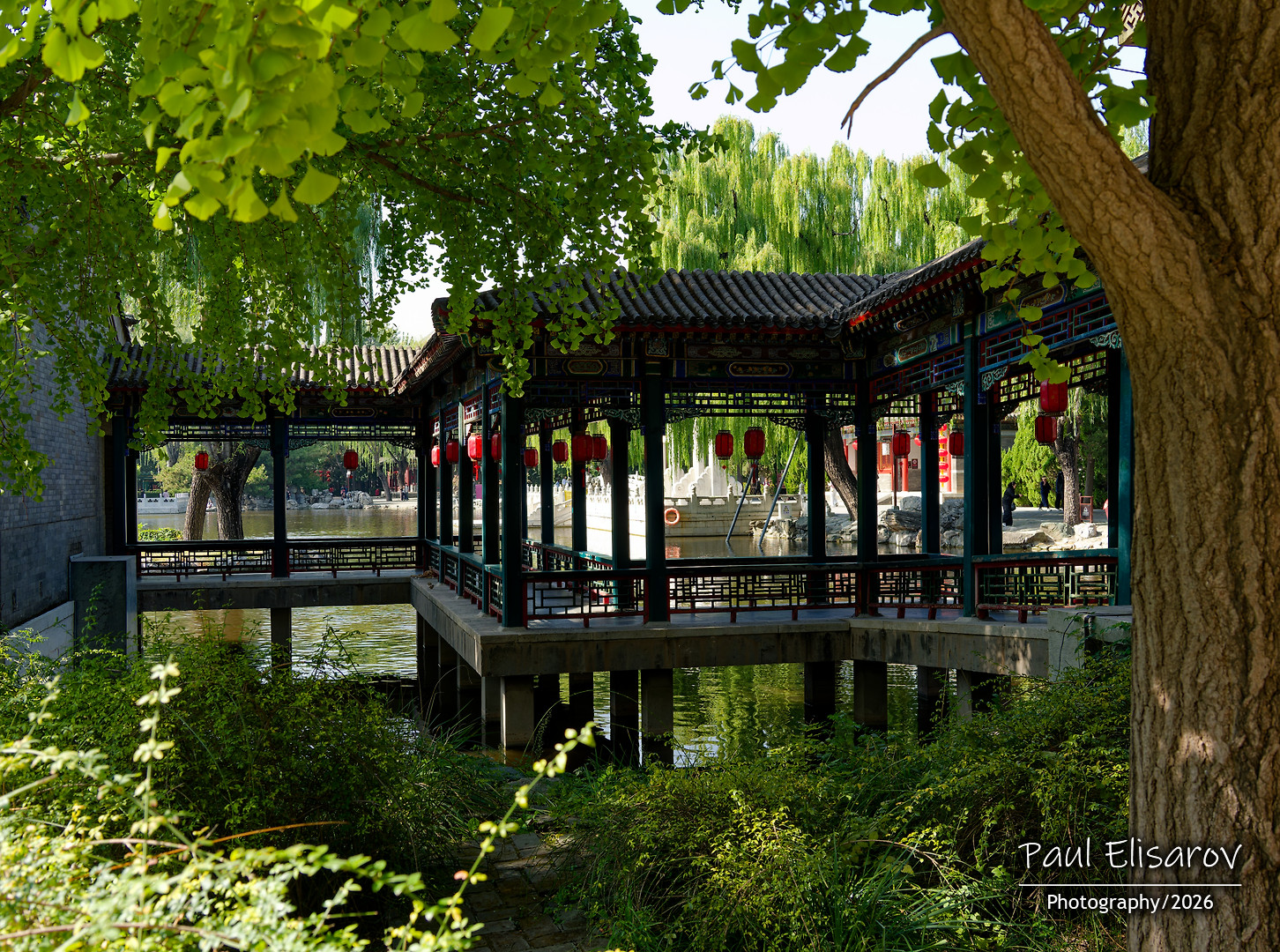
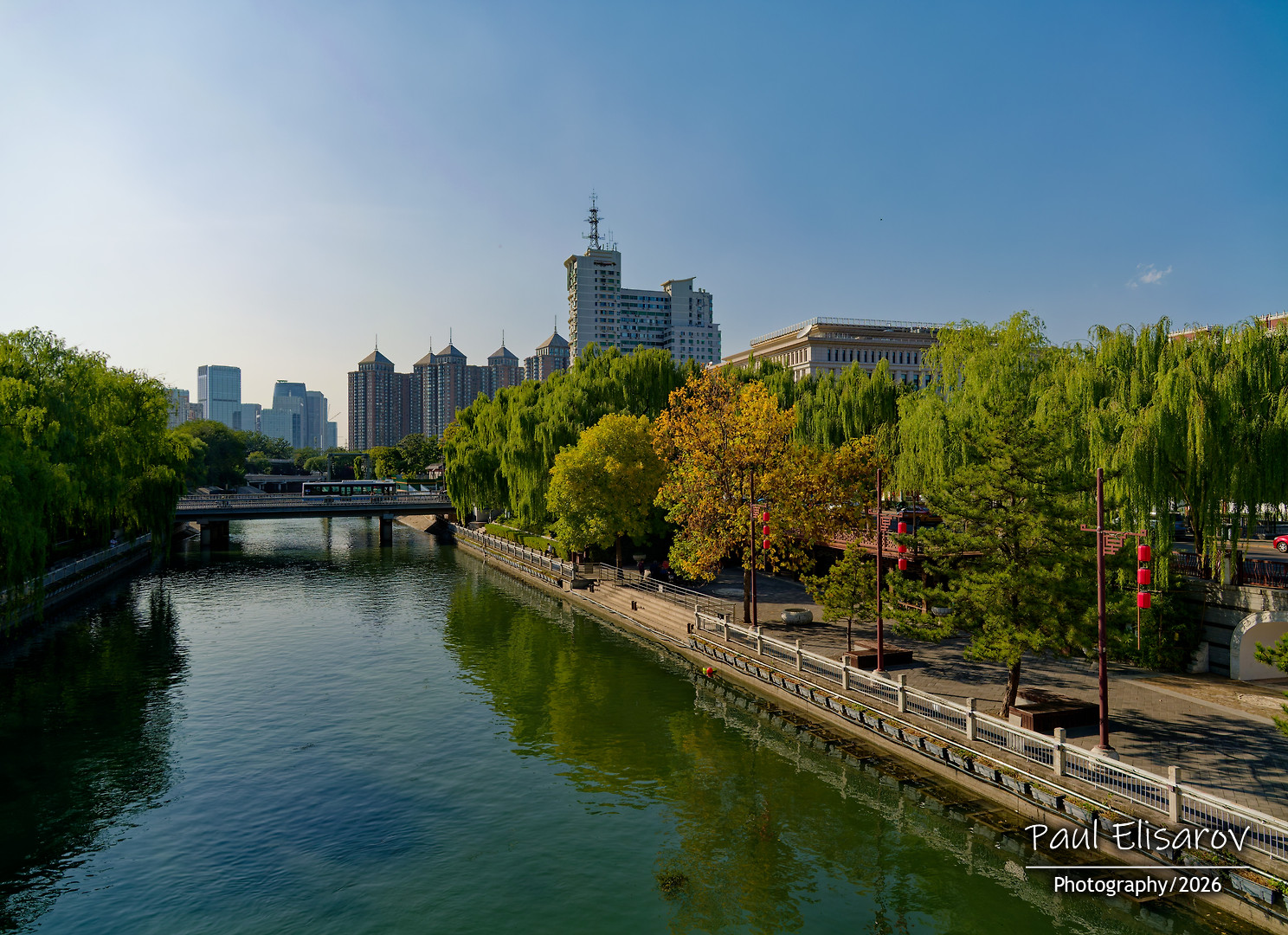
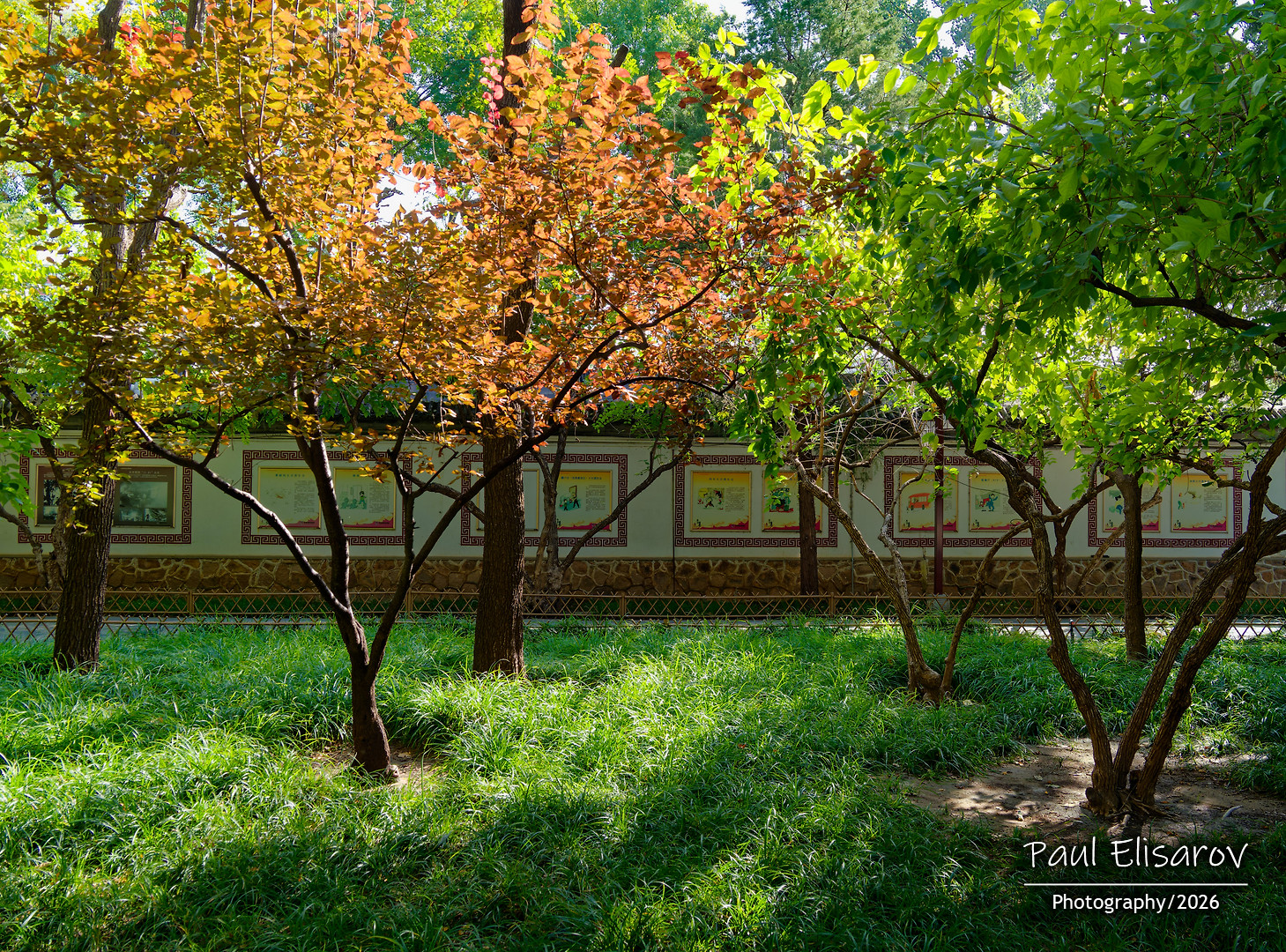
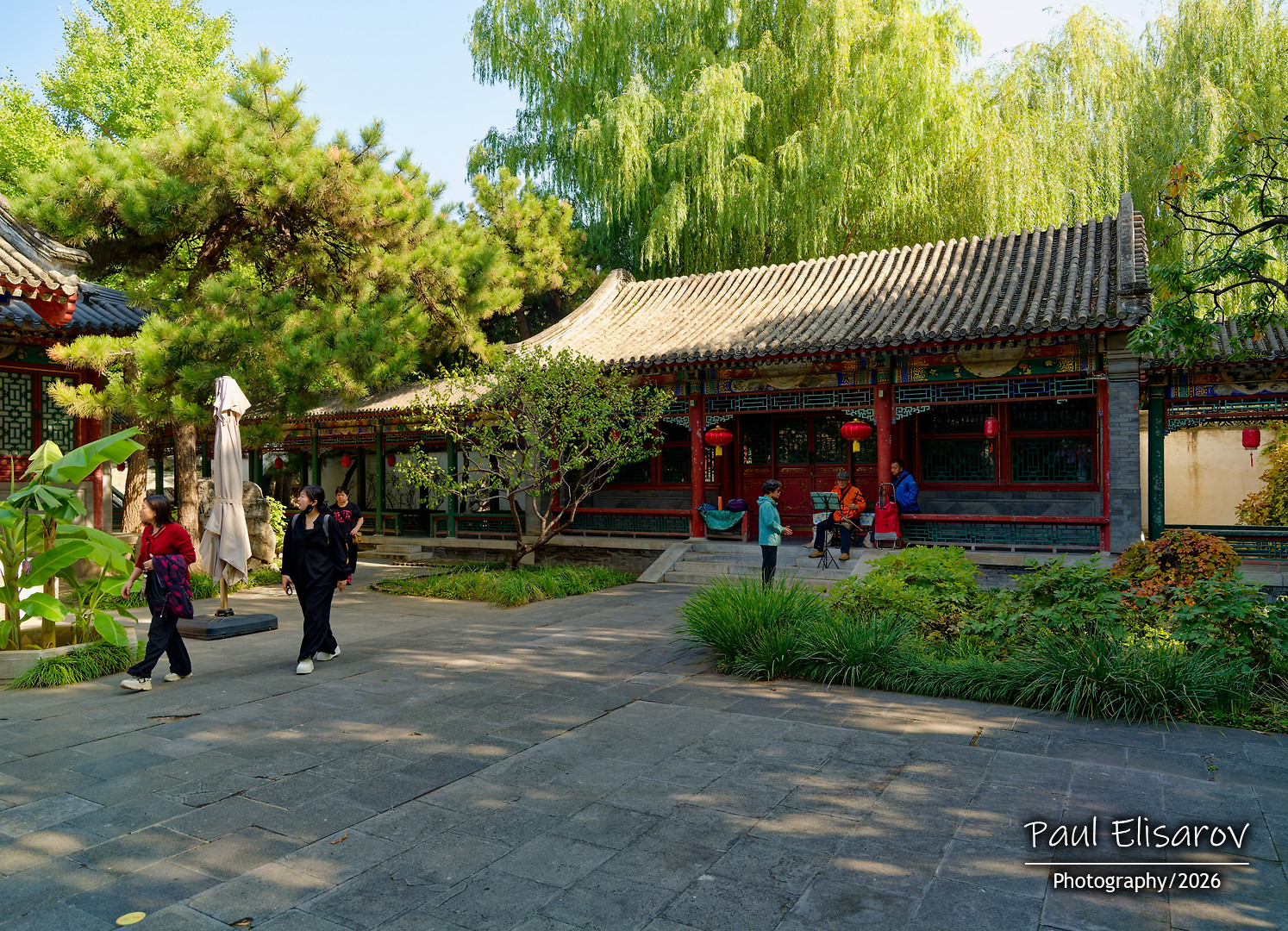
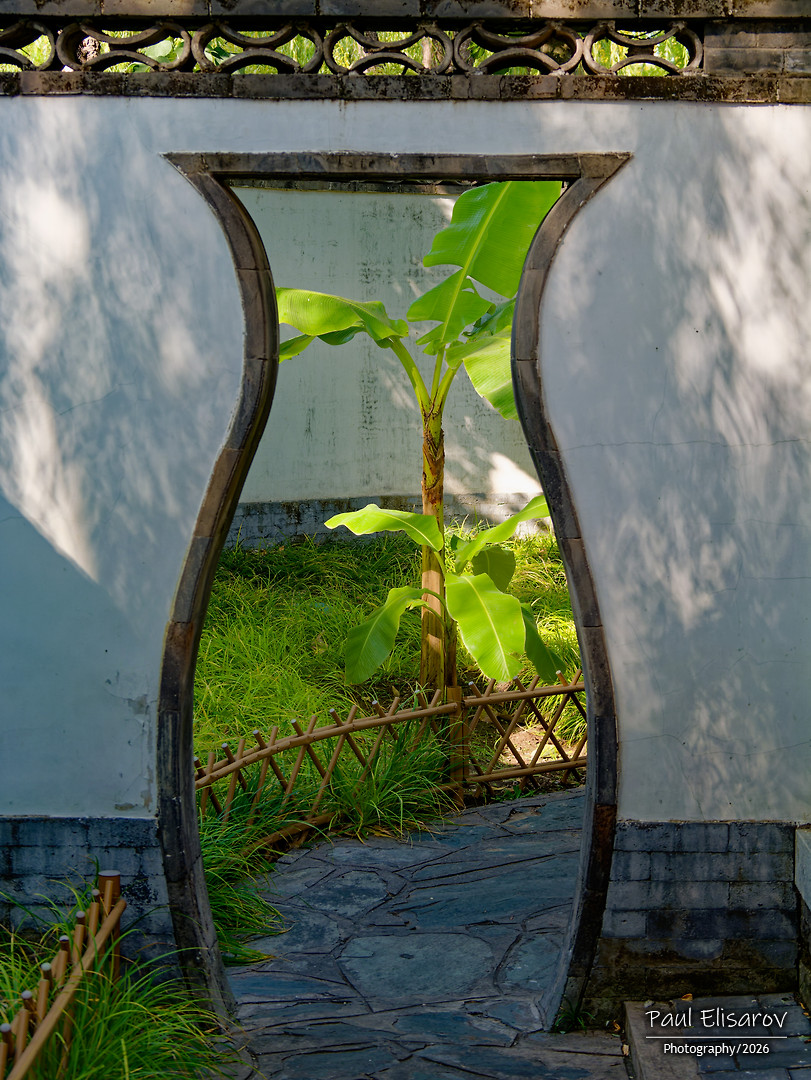 Before I dive in: the shots on this page are inserted randomly. They're not illustrating specific paragraphs — just giving you a feel for what's waiting there. Each reload will shuffle them, so if you come back later, you'll see a different set. Consider it a little preview of the visual chaos you'll experience in person.
 The Book, the Movie, and the Park That Came From Both
DaGuanYuan — the Grand View Garden — isn't a park that just happened to end up in a film. It was built because of a film.
 Back in 1984, CCTV was preparing its now-legendary TV adaptation of Cao Xueqin's 18th-century novel Dream of the Red Chamber (Hong Lou Meng). The novel is one of China's Four Great Classical Novels, and its garden — DaGuanYuan — is practically a character in itself. Rather than fake it on a soundstage, the production decided to build the damn thing for real. With input from Redologists, architects, garden historians, and Qing Dynasty scholars, they constructed a full-scale reconstruction of the garden exactly as described in the book. The park opened to the public in 1986.
 Then the 1987 TV series aired, and it became a cultural touchstone. Scenes from the show are still burned into the collective memory of multiple generations here. The park also doubled as a filming location for other productions — Empresses in the Palace (Zhen Huan Zhuan) shot its 31st episode at the Provincial Parents Memorial Archway, and My Fair Princess (Huan Zhu Ge Ge) also used the grounds.
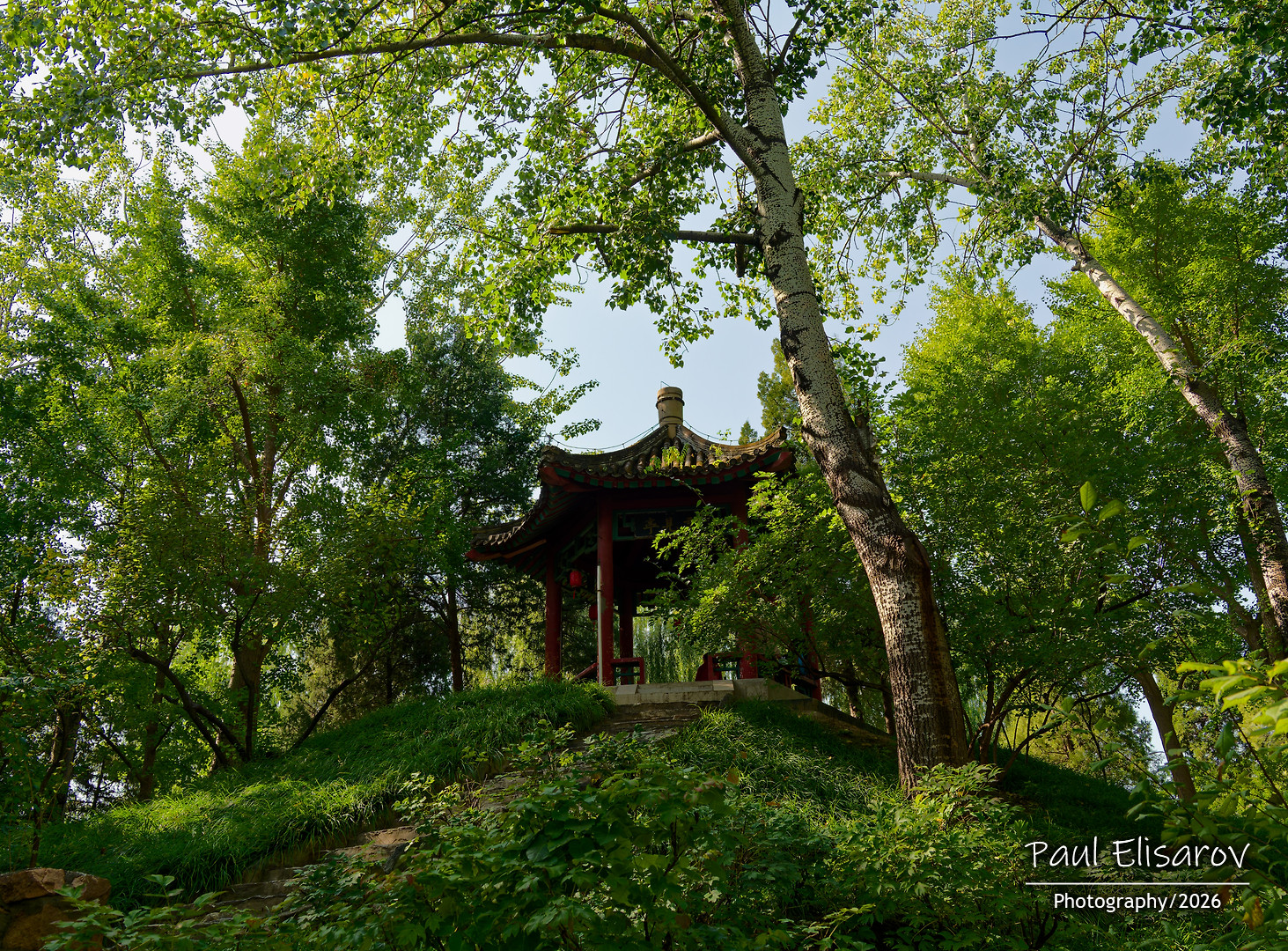 So when you walk through DaGuanYuan, you're not just walking through a garden. You're walking through a set that was designed to be beautiful, designed to frame perfectly, designed to make every angle look intentional. For a photographer, that's the whole point.
 Why 40 Yuan Is Worth Every Fen
Let's address the elephant in the pavilion. DaGuanYuan costs 40 RMB for adults — 20 for students, free for seniors over 60 and kids under 1.2 meters. In a city where the Temple of Heaven costs 15 and the Summer Palace starts around 30, that's on the higher end. Locals will tell you it's "expensive compared to other parks".
 Here's my take: it's not expensive. It's priced correctly.
 That 40 yuan buys you something most budget parks can't offer — space to shoot without fighting a crowd. DaGuanYuan doesn't see the tourist crush that Beihai or Jingshan get. It's quieter, more intimate, and you can actually set up a tripod without someone's selfie stick ending up in your frame. The entrance fee acts as a natural filter, and for a photographer, that's a feature, not a bug.
 Also: Beijing has many very nice parks. It's genuinely hard to say which one is the best — they all have their strengths. But here's a metric I care about deeply: DaGuanYuan is probably the best park in Beijing if you assess the number of good shots you can get from any given 5 square meters of territory. I'm not exaggerating. I moved maybe 30 meters in the first hour and filled half a memory card.
 What You'll Actually See
The park covers about 13 hectares, packed with over 40 buildings and courtyards. It's divided into five courtyard zones, three natural scenic areas, a Buddhist temple, and a main hall complex.
 The Provincial Parents Memorial Archway (省亲牌坊) is the centerpiece — an 8-meter-tall, four-pillar stone structure carved from Fangshan bluish-white stone, standing at the north bank of the Qinfang Pond. The characters "省亲别墅" are carved into the front. Walking through it feels like stepping into a frame that was composed centuries before you were born.
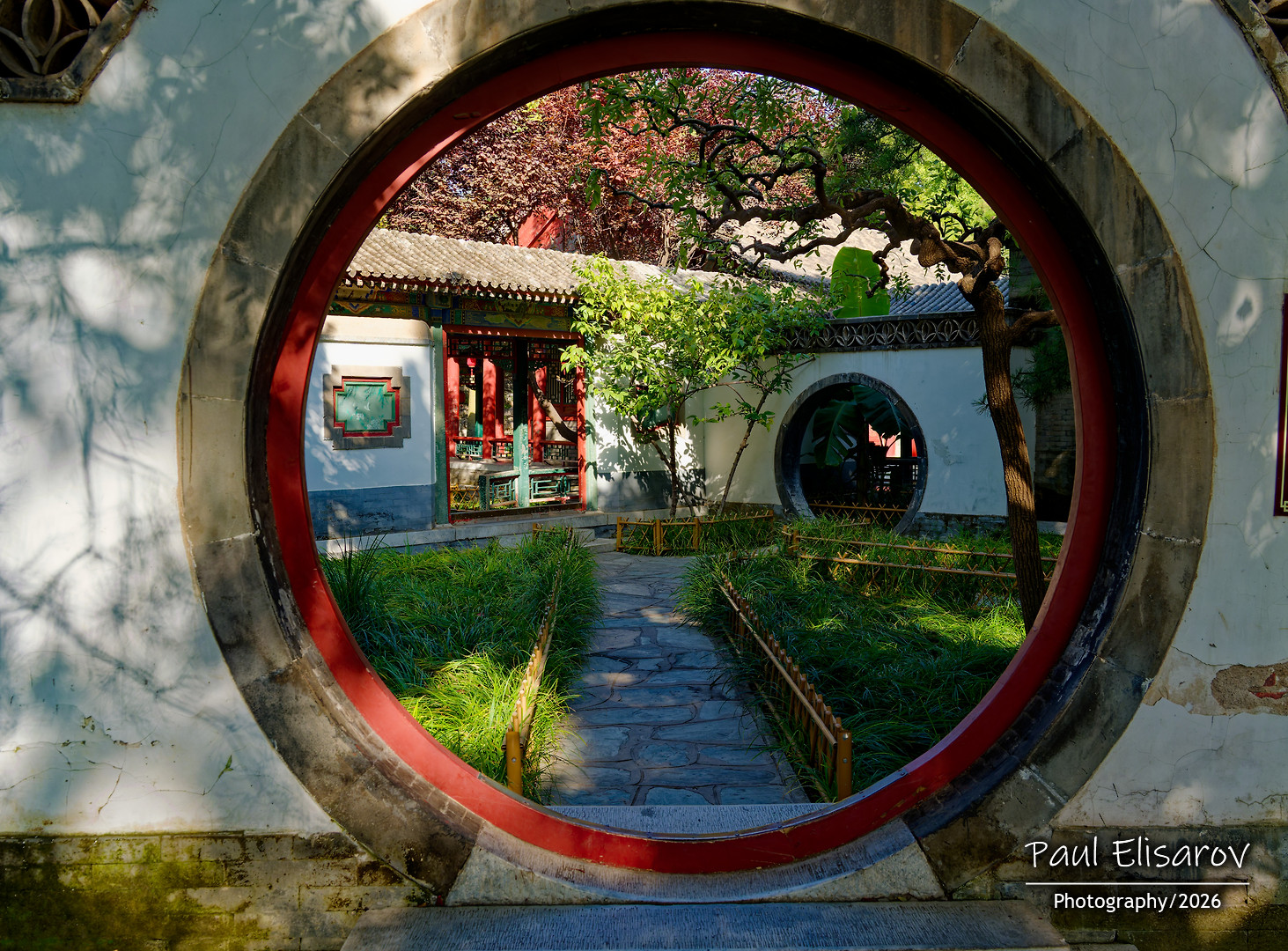
 Yihong Yuan (怡红院) — the Happy Red Court — was Baoyu's residence. The courtyard is lush, layered, and the kind of place where every window frames a composition you didn't plan but absolutely want.
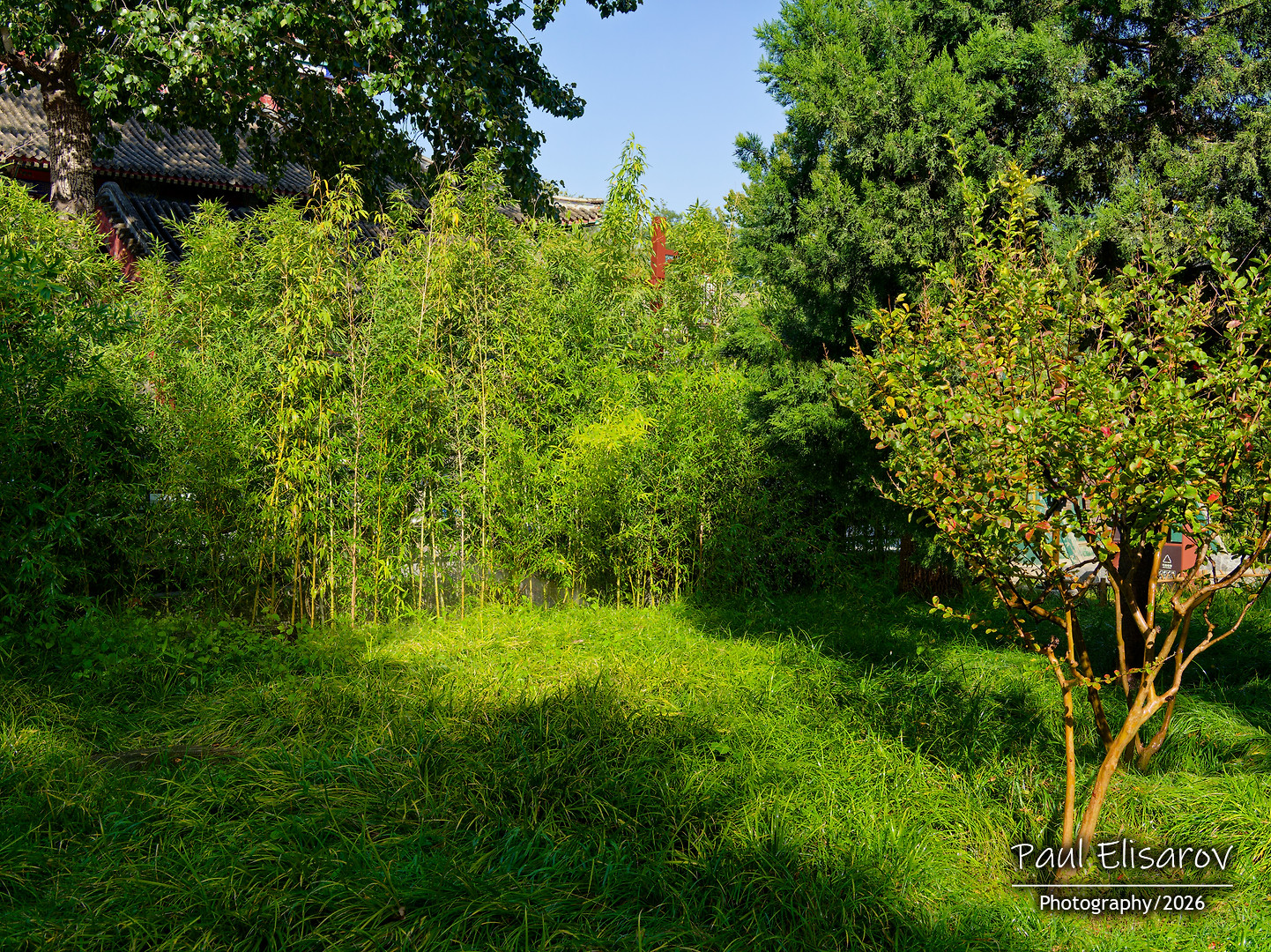
 Xiaoxiang Guan (潇湘馆), Lin Daiyu's bamboo lodge, is quieter. The bamboo groves filter light in a way that makes the whole space feel like it's breathing. I shot there for maybe twenty minutes and didn't say a word the entire time.
 Qu Jing Tong You Chu (曲径通幽处) — the winding path leading to seclusion — is exactly what it sounds like. A path that curves, hides, and reveals. Moody as hell in the best way.
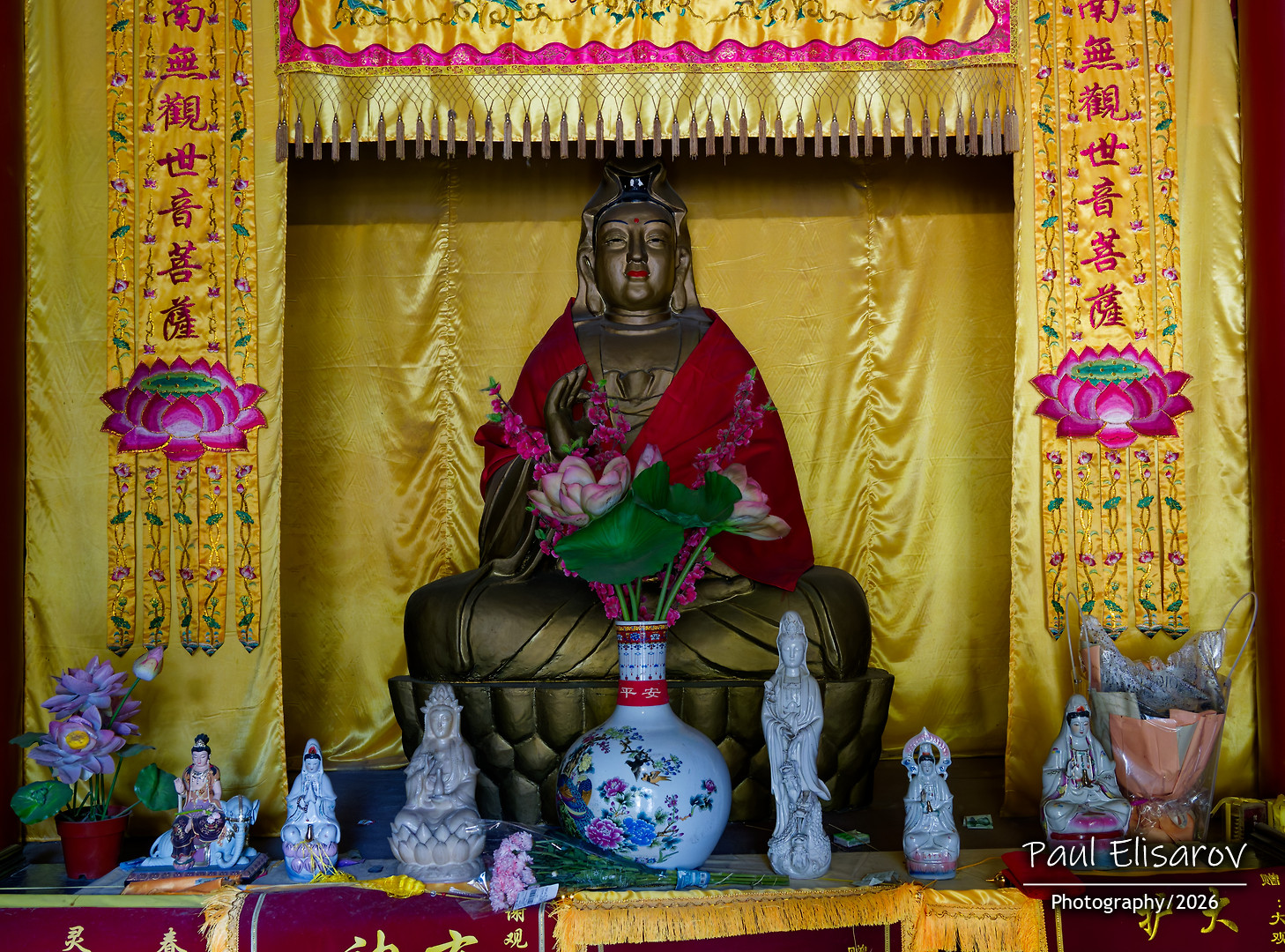 Gu En Si Yi Dian (顾恩思义殿) anchors the central axis, and the whole layout was designed to mirror the spatial hierarchy of a Qing aristocratic compound. There's a reason every turn feels like a painting. It was supposed to.
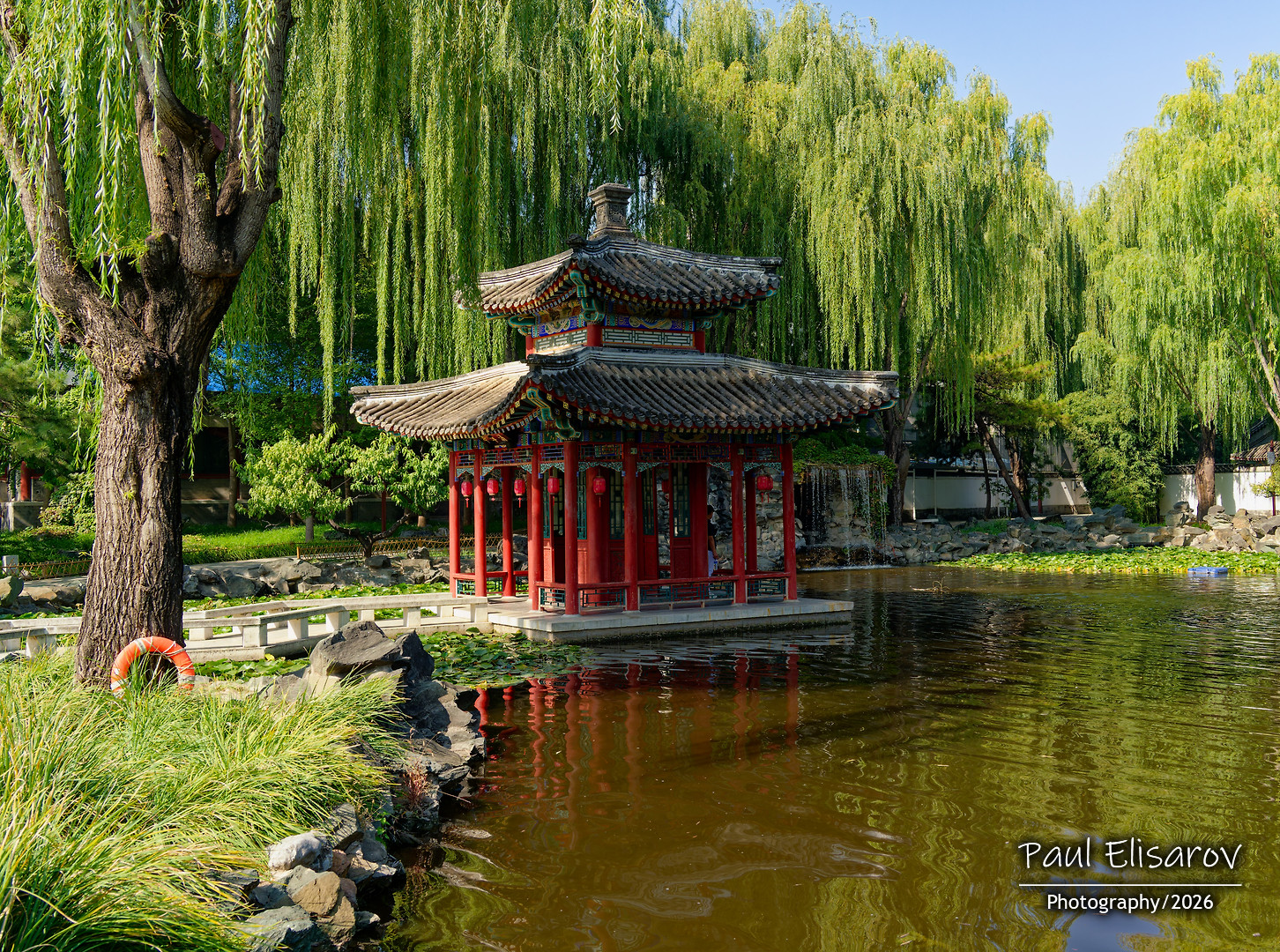
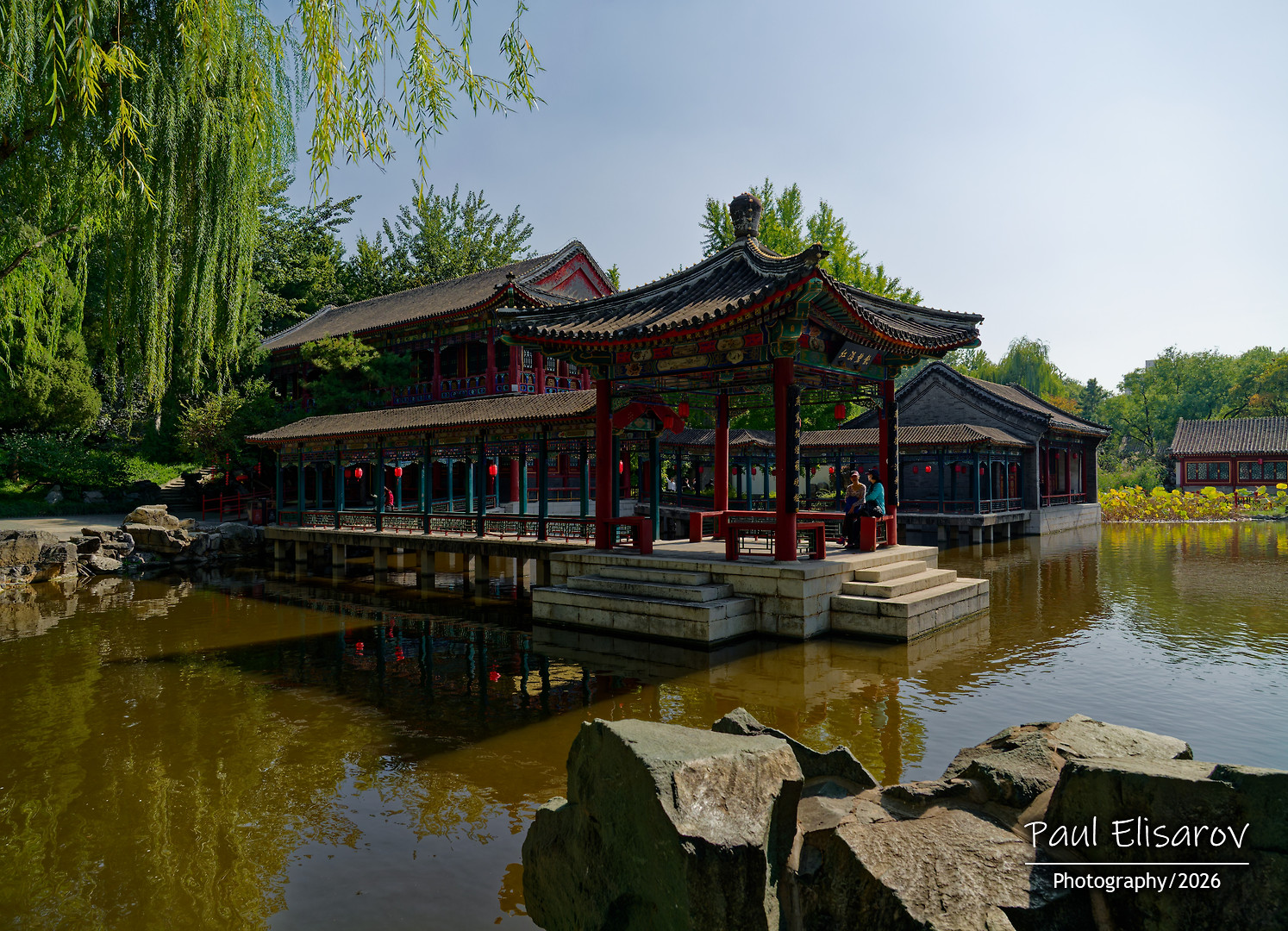
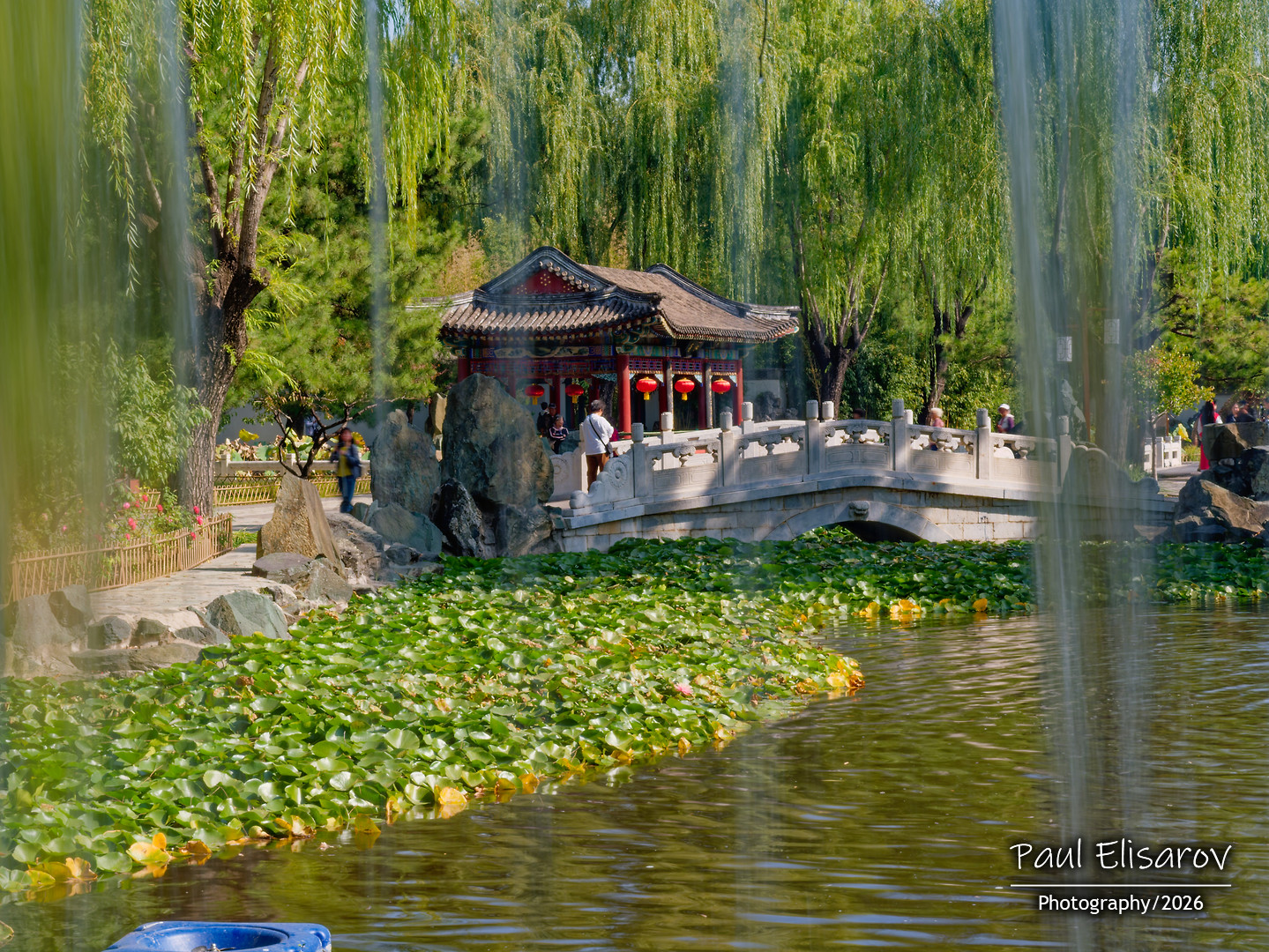
 The lake — 16,000 square meters of water— catches reflections that made me stop and just stare more than once. Willows drooping over the water, pavilions mirrored in the surface, koi moving like slow brushstrokes beneath it all. I'm not a sentimental guy, but I stood there for a full five minutes without touching my camera. That's rare.
 The Suzhou Comparison
If you've been to Suzhou's famous gardens — the Master of Nets, the Lion's Forest, the Humble Administrator's — you'll recognize the DNA here. And you should. DaGuanYuan was designed with those Jiangnan garden traditions in mind. The novel itself was written by an author steeped in that aesthetic, and the park's architects drew heavily from that classical vocabulary when translating Cao Xueqin's descriptions into stone, water, and timber.
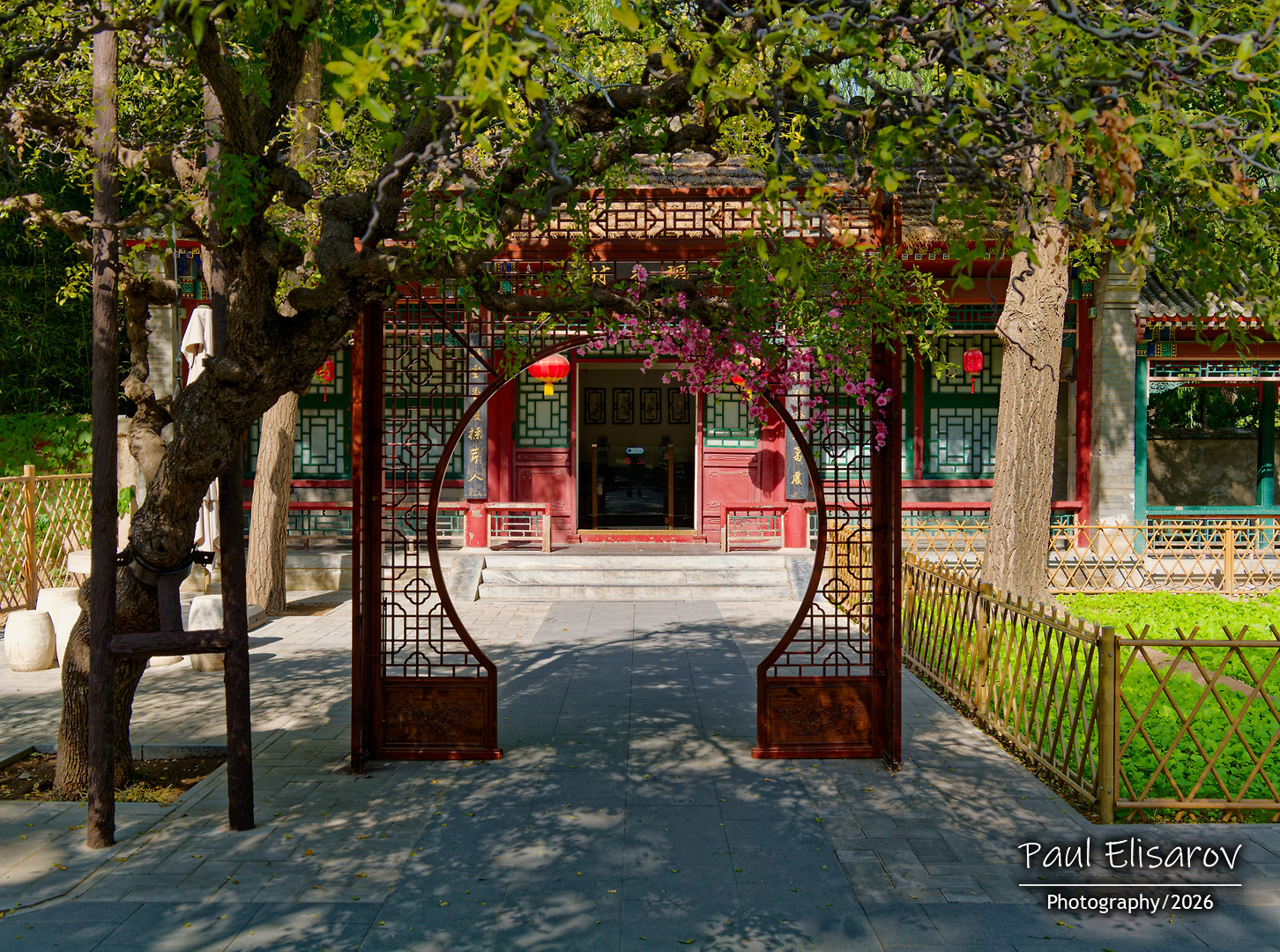 But DaGuanYuan is different. It's bigger, for one. And it was built specifically to be photographed. The Suzhou gardens were lived in, meditated in, retreated to. DaGuanYuan was constructed as a set. It's meant to have the best possible frames for cameras. That's not a knock — it's a love letter. If you love photography and you love classical Chinese gardens, this place was literally made for you.
 The Moment the Park Fought Back
I thought I was done. I'd shot around 350 images, my feet were starting to complain, and I was mentally drafting the "great day, time to head back" text to my wife. I turned toward the exit.
The Moment the Park Fought Back
I thought I was done. I'd shot around 350 images, my feet were starting to complain, and I was mentally drafting the "great day, time to head back" text to my wife. I turned toward the exit.
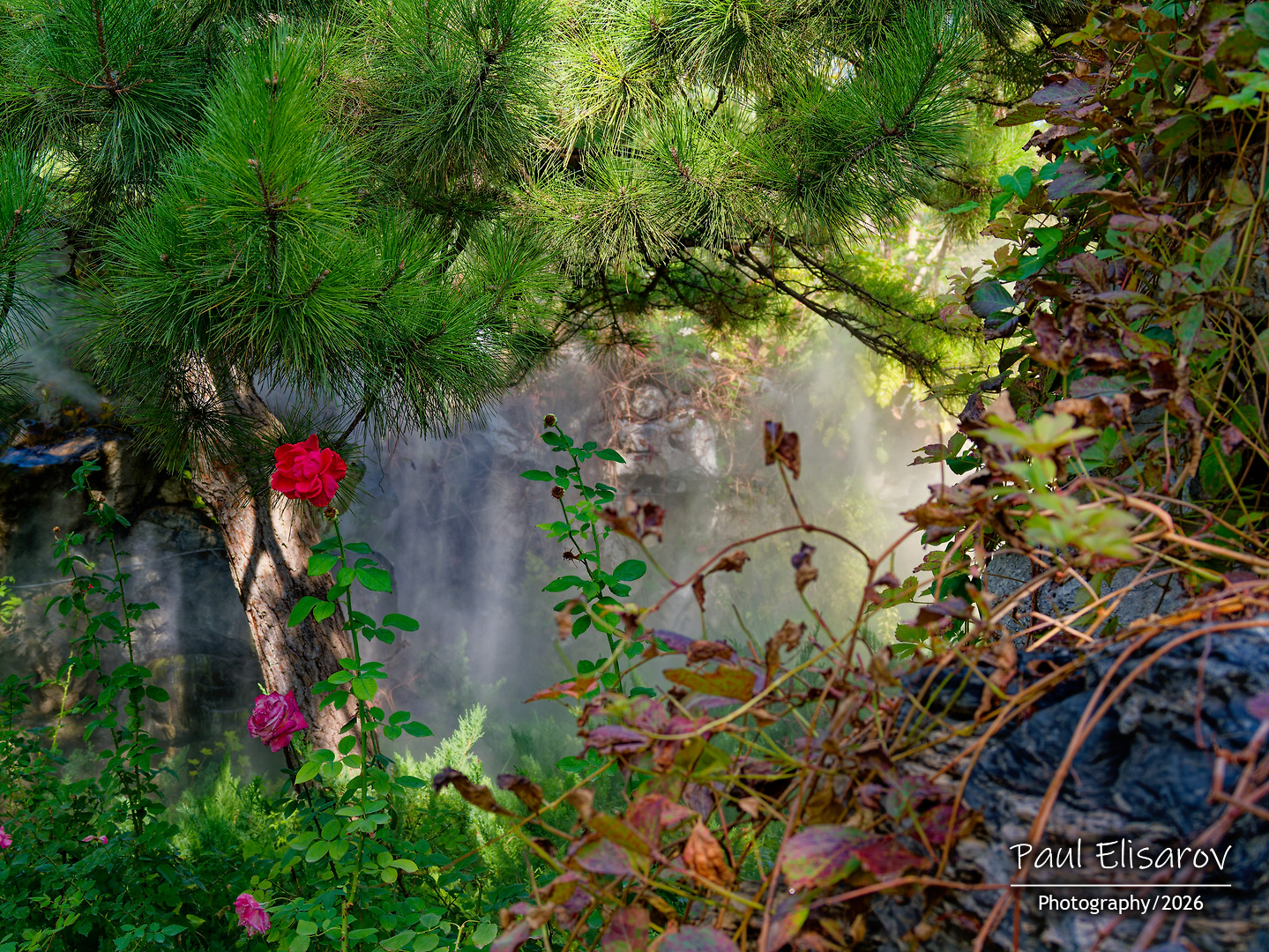 And then the water sprays came on.
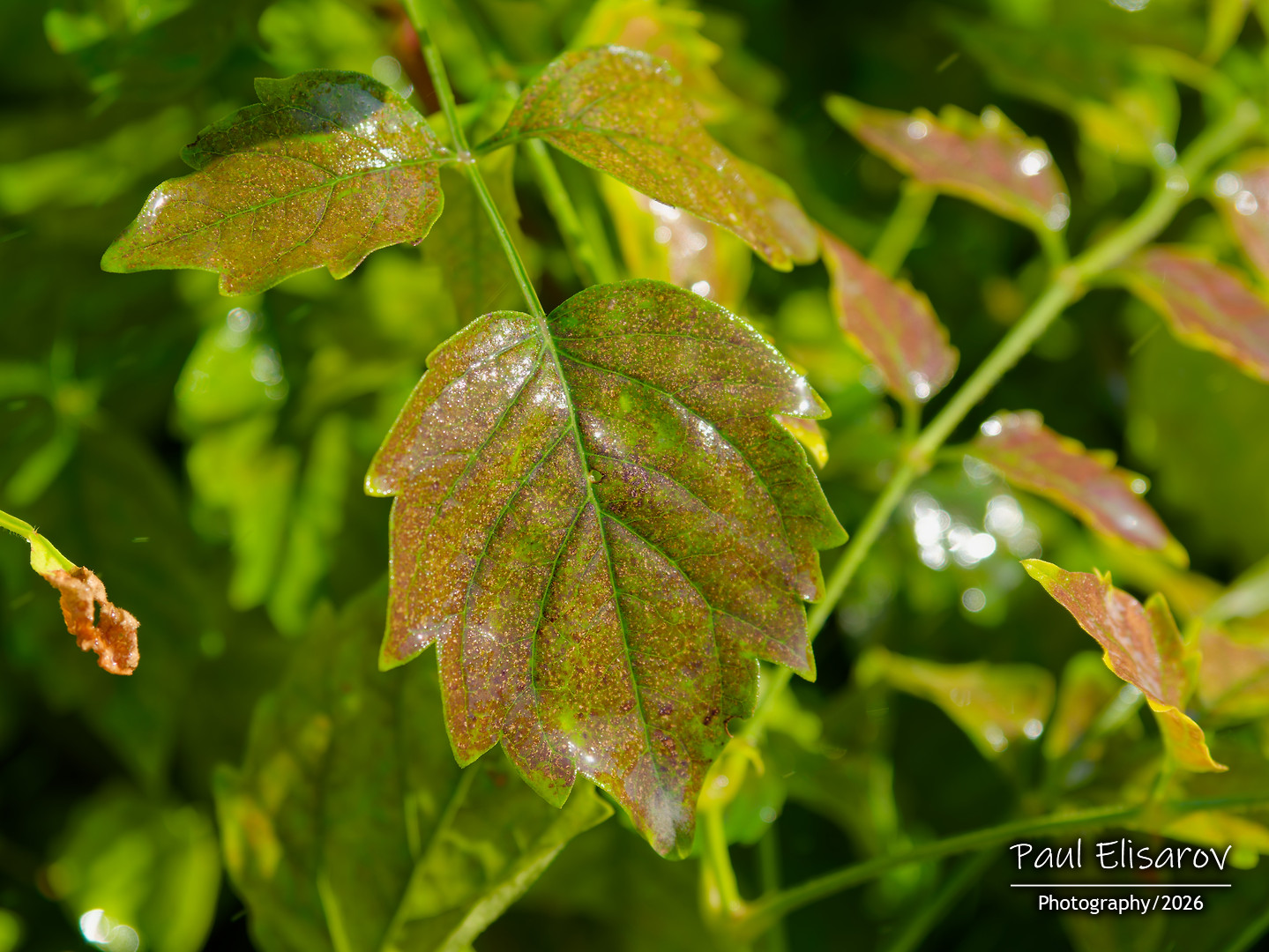
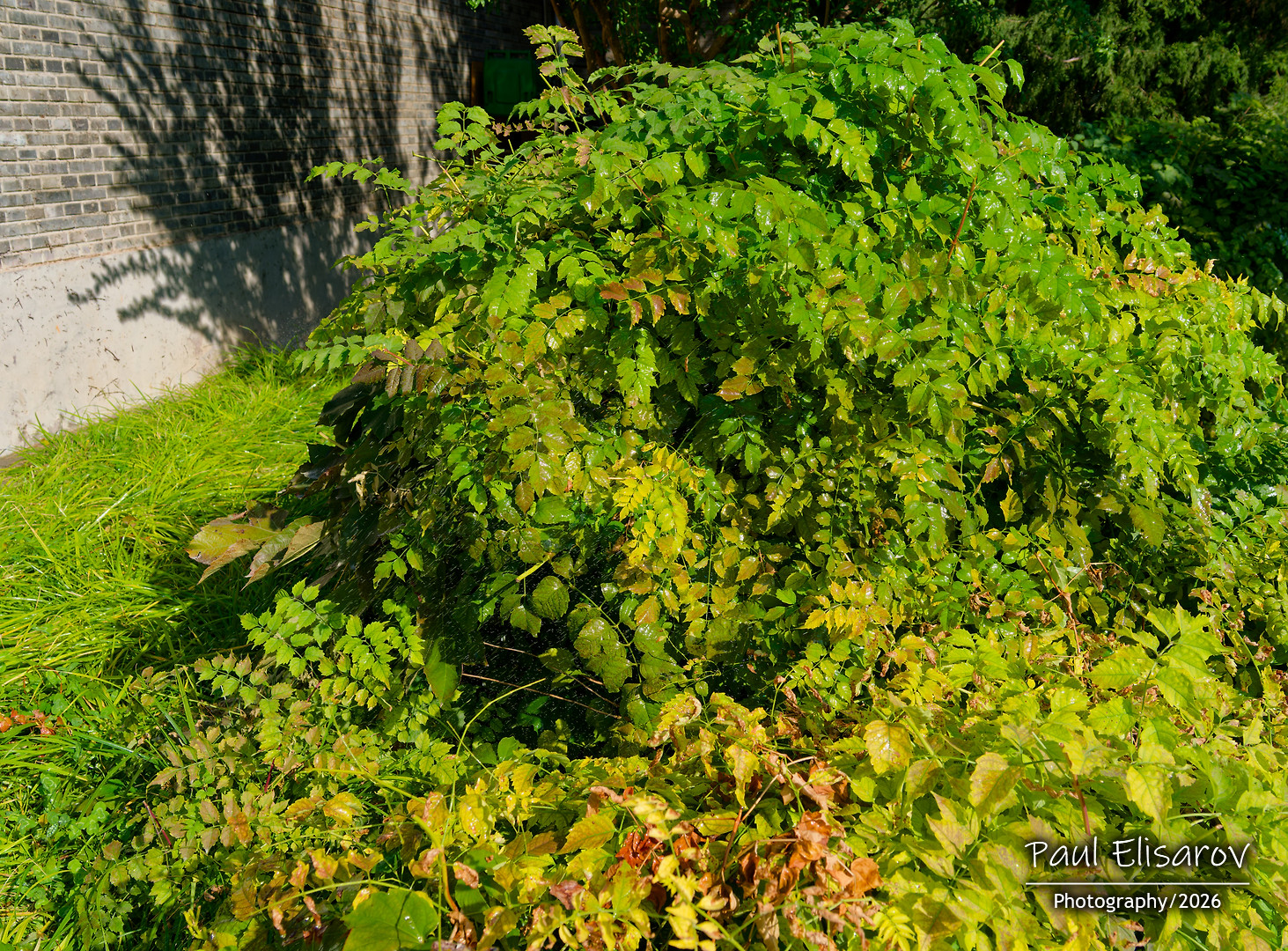
 Automatic irrigation, scattered across the lawns and rock formations, suddenly erupted in synchronized arcs of fine mist. The late afternoon light caught every droplet, turning the whole scene into a shimmering, glittering mess of sparkle and softness. The kind of light that makes you forget you were tired.
 I stayed. I shot another hundred images. The mist softened backgrounds in ways no filter could replicate. Water droplets caught highlights on leaves. The air itself became part of the composition.
 The park wasn't done with me. It said, "Wait. Look what else I can do."
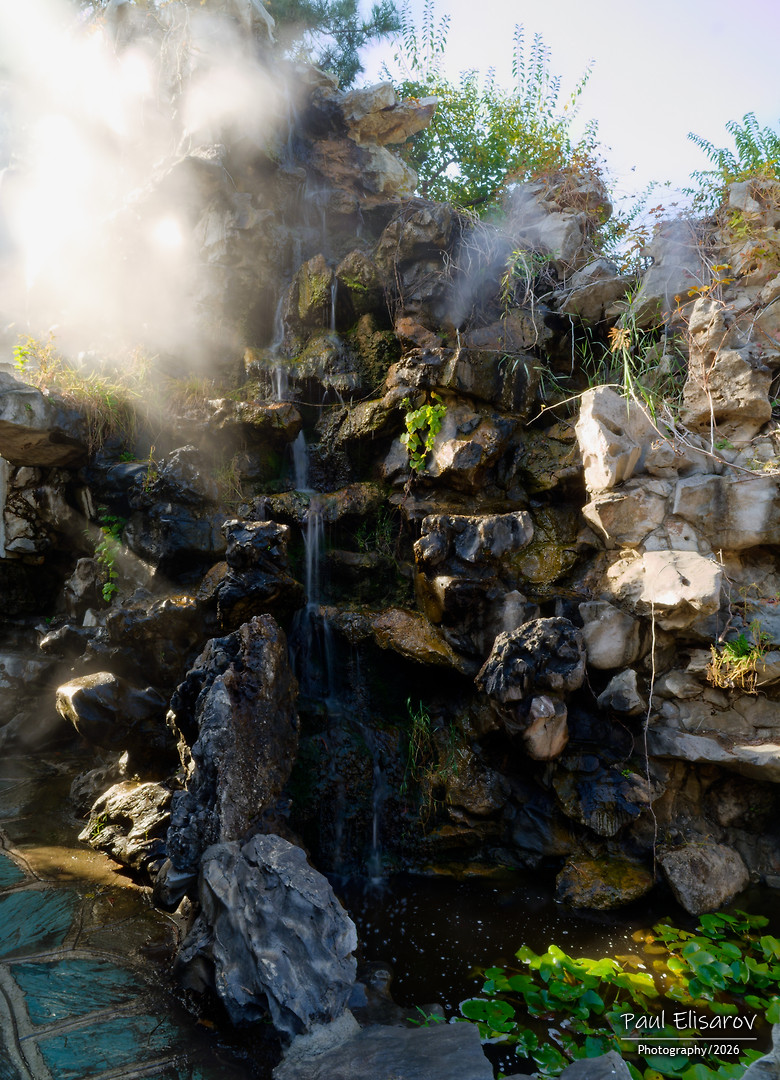
 Here's the thing about DaGuanYuan — it's small, but it is packed with beauty. Genuinely enjoying it takes several hours. Even then, on my way back to the entrance, I found two locations I'd completely walked past earlier. One of them was a waterfall tucked inside a rock formation, water cascading down mossy stone in a little pocket of shade I'd somehow overlooked.
 Final Thoughts
DaGuanYuan doesn't get many non-Chinese tourists. When I was there, I was very visibly the odd one out. From my point of view, that's a shame, because this is a must-visit for anyone who loves beautiful gardens — and an absolute treasure for photographers who want to shoot classical Chinese aesthetics without the crowds.
 It's not the biggest park in Beijing. It's not the most historically ancient. But it might be the most photogenic. Every square meter is doing something. Every turn has a frame waiting. And if you stay long enough, the park itself will start showing off.
 Bring extra batteries. You'll need them.
 You can see the full album from this visit here: Grand View Park DaGuanYuan — Full Gallery