In Defense of Zooms: Notes from a Zoom Shooter
I started on film, with a Zenit and a Helios-44. Back then I was a prime shooter not by conviction but by poverty — a zoom for the Zenit was an impossible dream, like jeans from a Western tourist. When I switched to digital, something unexpected emerged: I love zooms. All of them. Standard ranges, telephoto, and — heaven forbid, oh the horror — superzooms.
Friends spent years lecturing me: "buy a fifty and learn to see," "zooms are for the lazy," "real photography is prime photography." Enough materials have been written about primes being "the be-all and end-all," and I won't rehash them. Instead, I'll tell you why I've been shooting mostly zooms since around 2008, have no regrets, and don't plan to stop.
Let me start with the story that changed everything.
Back in 2008, an experienced friend dropped a line on me: "Beginners with zooms shoot everything at two focal lengths — minimum and maximum. The middle of the range, they ignore." I remember being offended: me? No way, that's not how I shoot, are you kidding?!
I came home and decided to check. I downloaded a free utility called ExposurePlot — it reads EXIF data from JPEG files and builds graphs of focal lengths, apertures, shutter speeds, and ISO. I pointed it at my archive and saw a characteristic "bathtub": two huge peaks at the edges of the range and a sad little bottom in the middle.
It was exactly as he said. I sulked for about fifteen minutes, then pulled myself together and decided: if the middle of the range exists, it should be used.
Since then, I turn the zoom ring deliberately: not "settled wherever it happened to be," but "this frame should be near 35mm, and this one is around 75." I frame before pressing the shutter, not by cropping after. And the quality of my shots improved dramatically — not because the glass got better, but because composition became conscious.
One practical tip: ExposurePlot only reads JPEGs, so if you shoot RAW — do a batch export of small JPEGs (in FastStone or XnView) and run your stats on those. Looking at your graph once every six months is more useful than ten pieces of advice from the internet.
 What Zooms Actually Give You
1. Focal length is part of the frame, not part of the route. A set of primes is three to five fixed decisions for the whole day. A zoom is a continuous scale, and every focal length on it works like the corresponding prime. My colleagues from Hyperion Optics put it nicely: a zoom lets you pre-frame the scene with the ring before pressing the shutter, and the focal length changes seamlessly — every point of the range is at your disposal.
2. No lens swapping. Less dust on the sensor, fewer missed moments — a street scene lives for seconds, and that's when you're untwisting a lens cap. And fewer times opening the camera in bad weather.
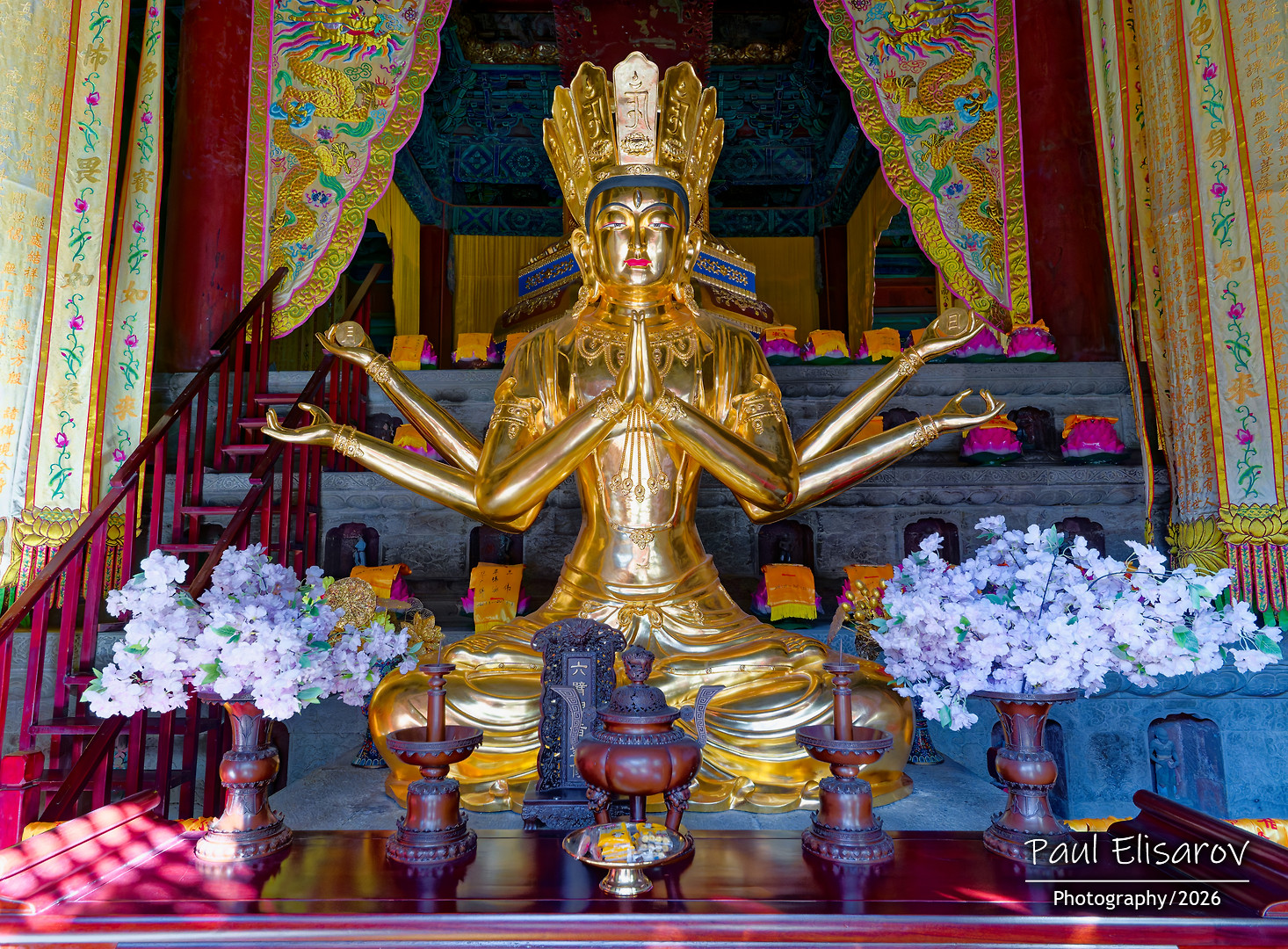
3. Weight. One Olympus 12-100/4 is 561 grams, and in full-frame equivalent that's 24–200mm. Try assembling that set out of primes — and then weigh the bag.
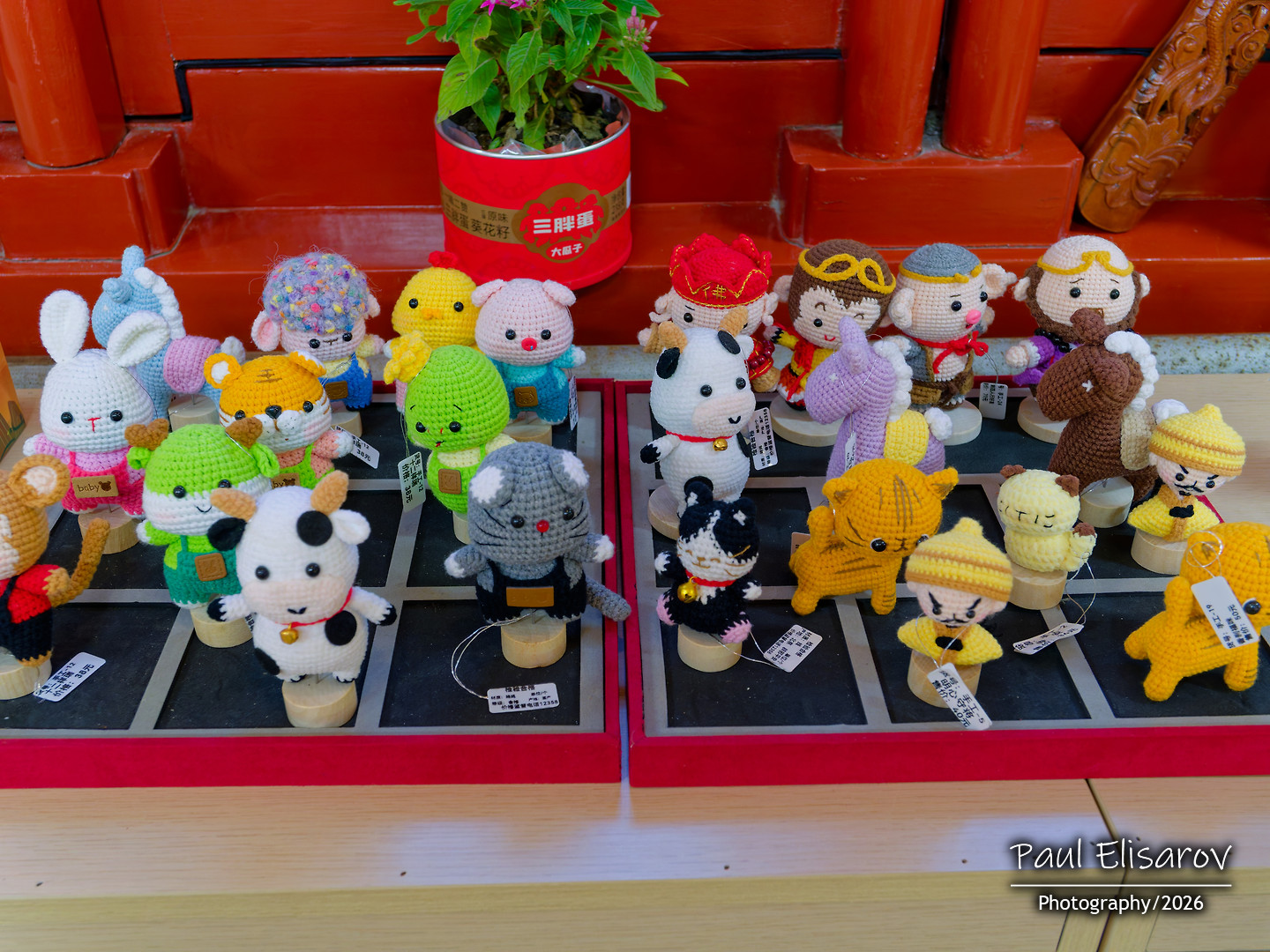
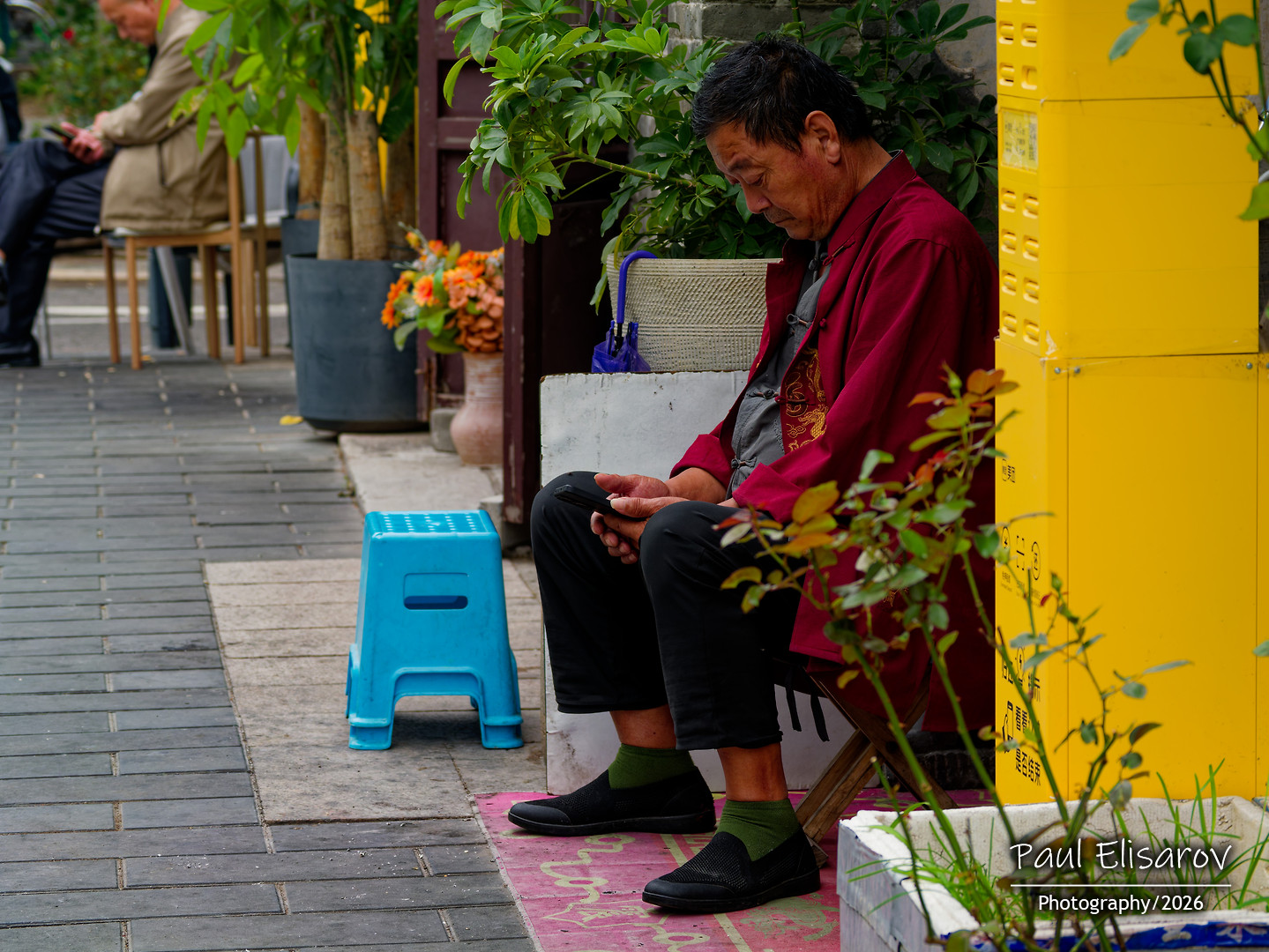
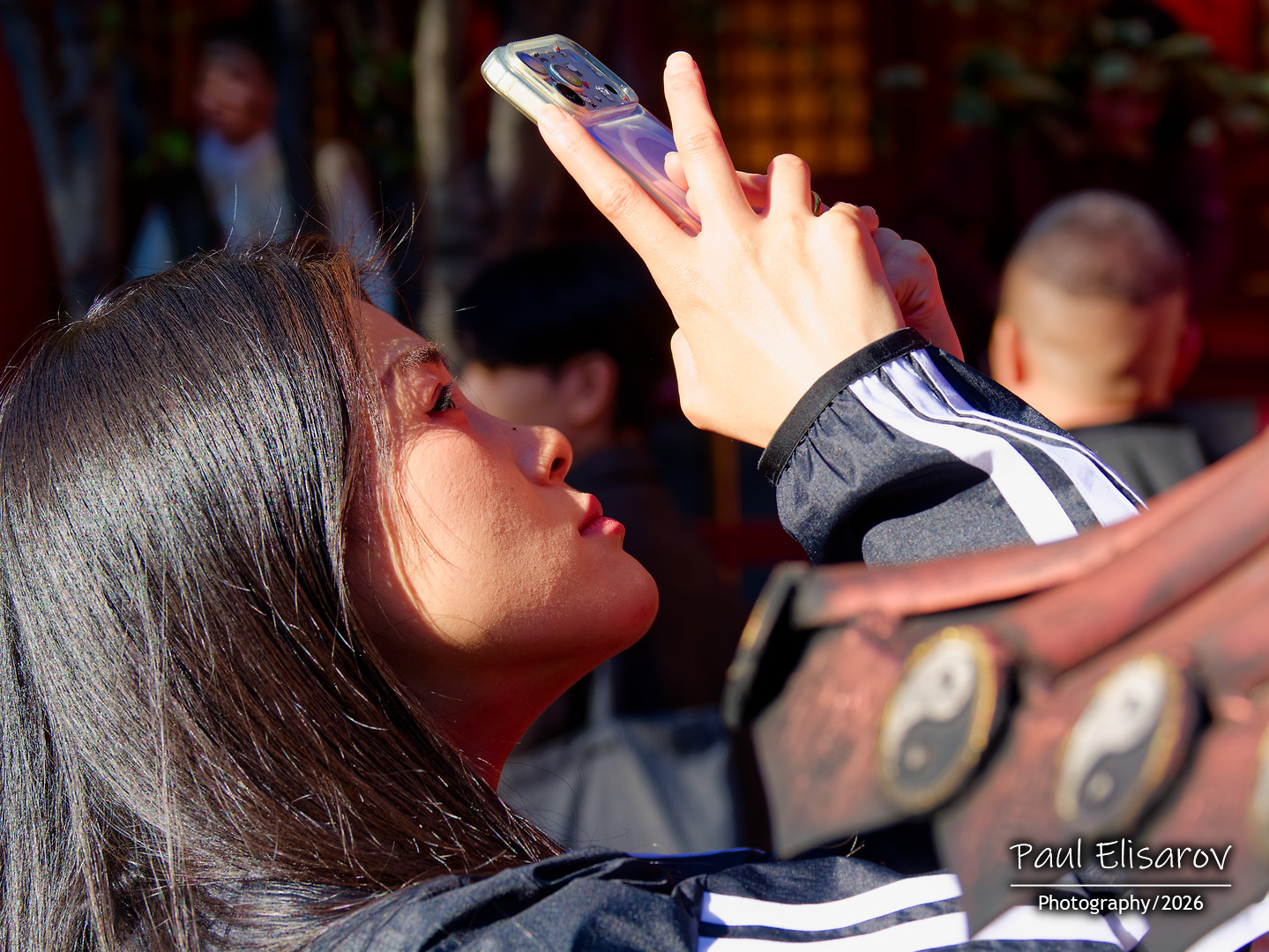
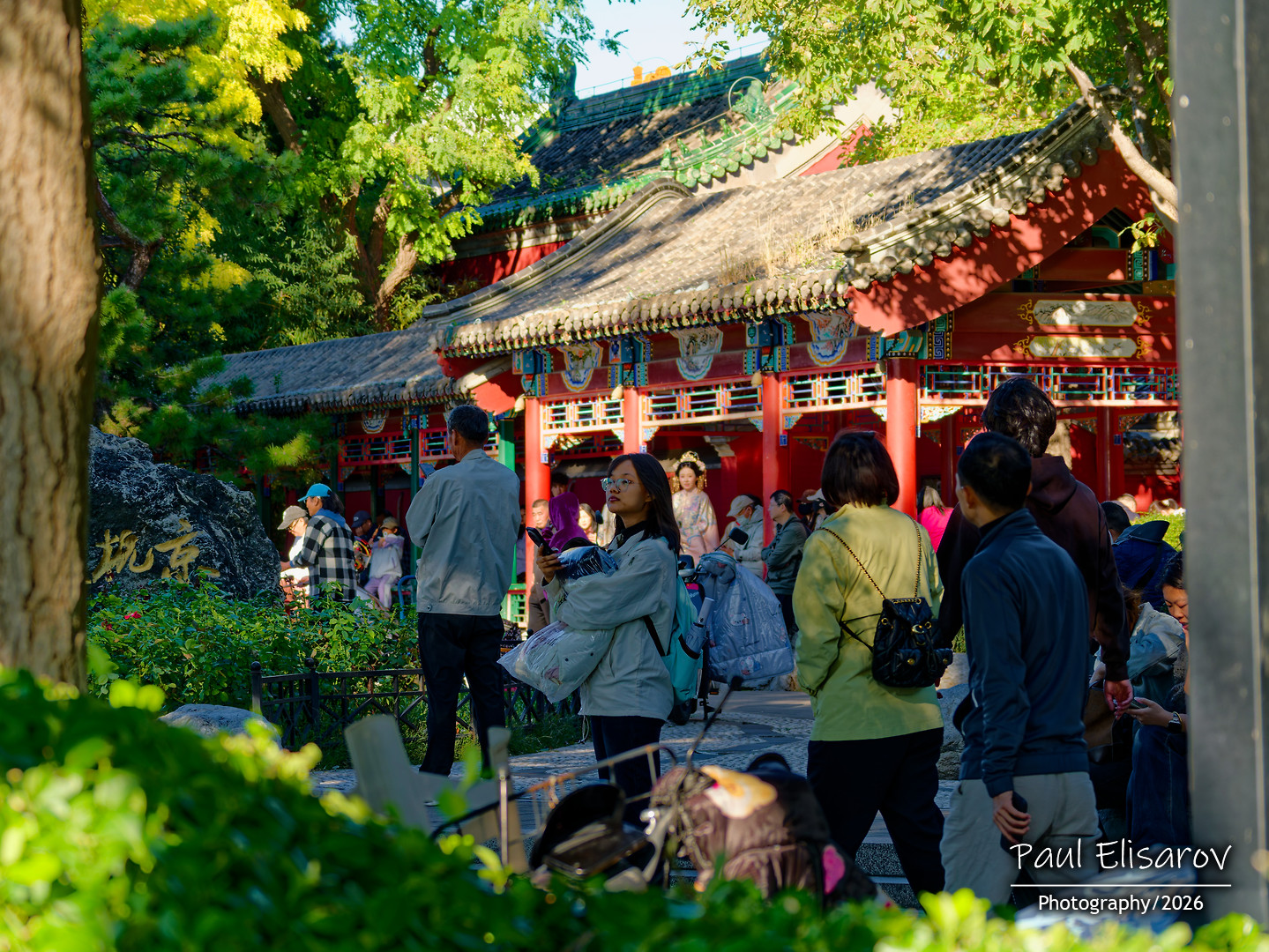
4. Distance and politeness. The long end lets you photograph people without shoving a lens in their face. In the hutongs, this saved me from feeling like I was intruding on other people's lives.
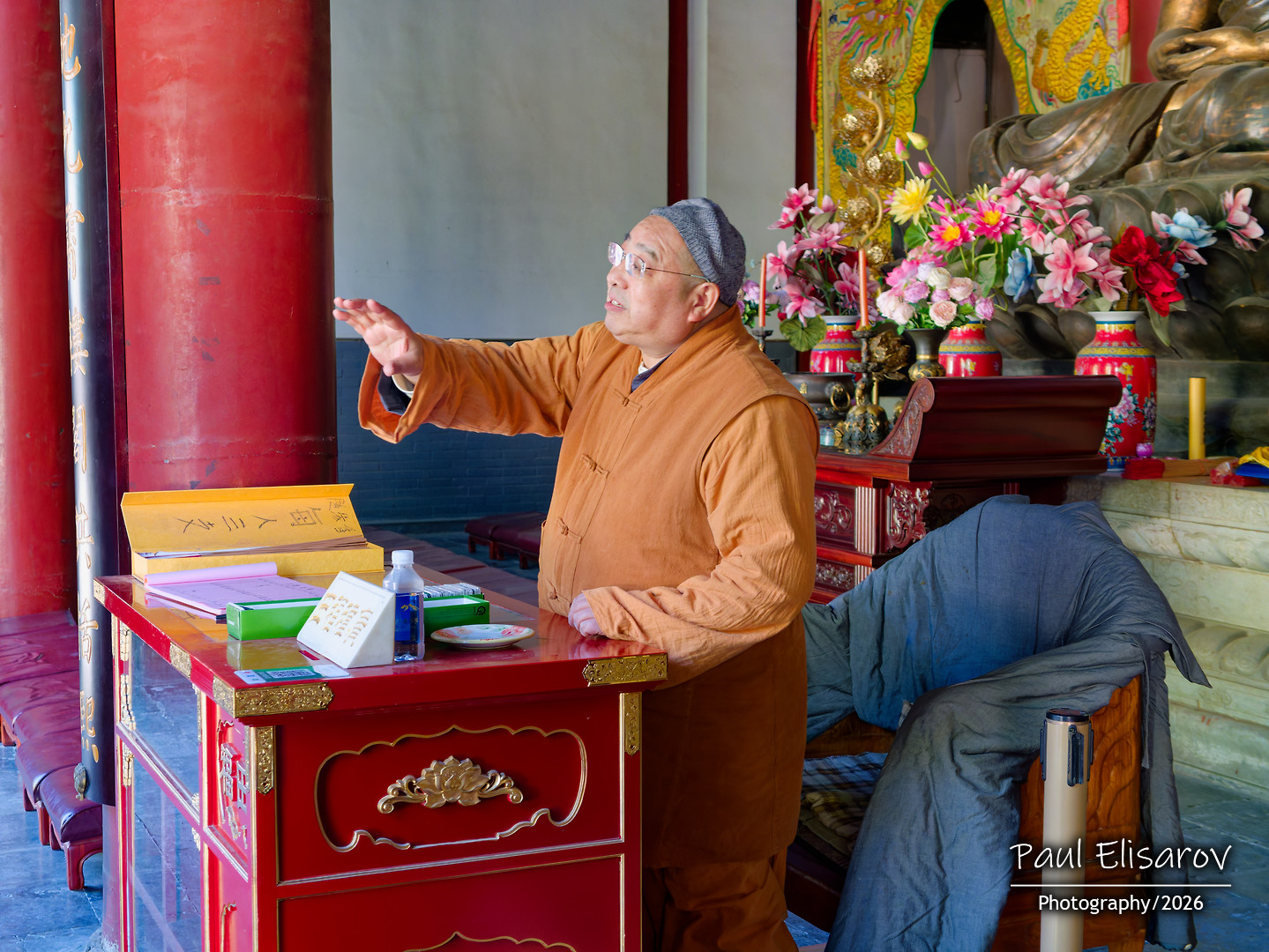
5. Compression and layers. The telephoto range knows how to stack the planes of a picture on top of each other — more on that below, with the Daguan Garden example.
 Beijing as a Testing Ground
My recent trip to Beijing was essentially a field test of my entire zoom philosophy. Let me walk you through the locations.
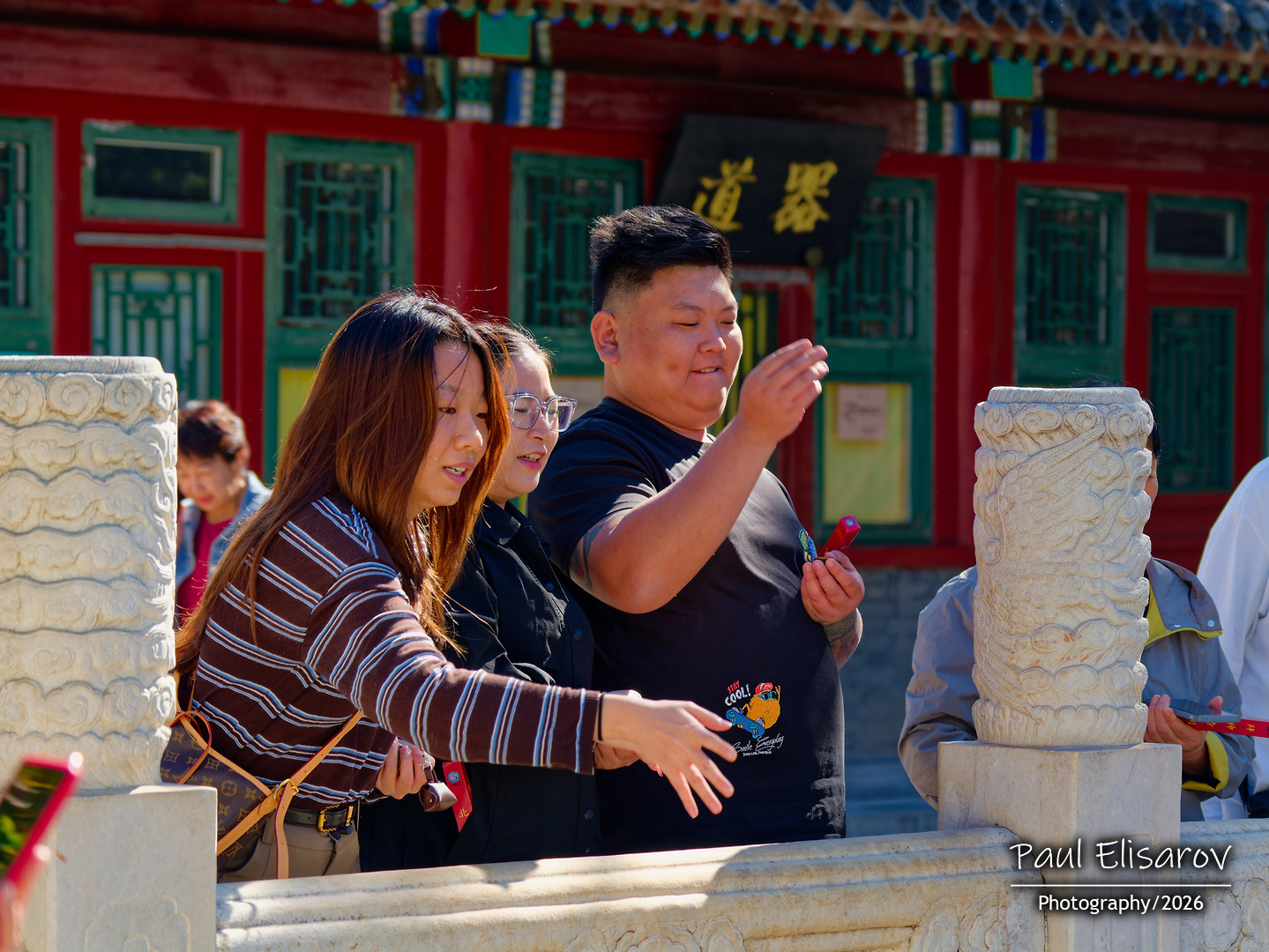
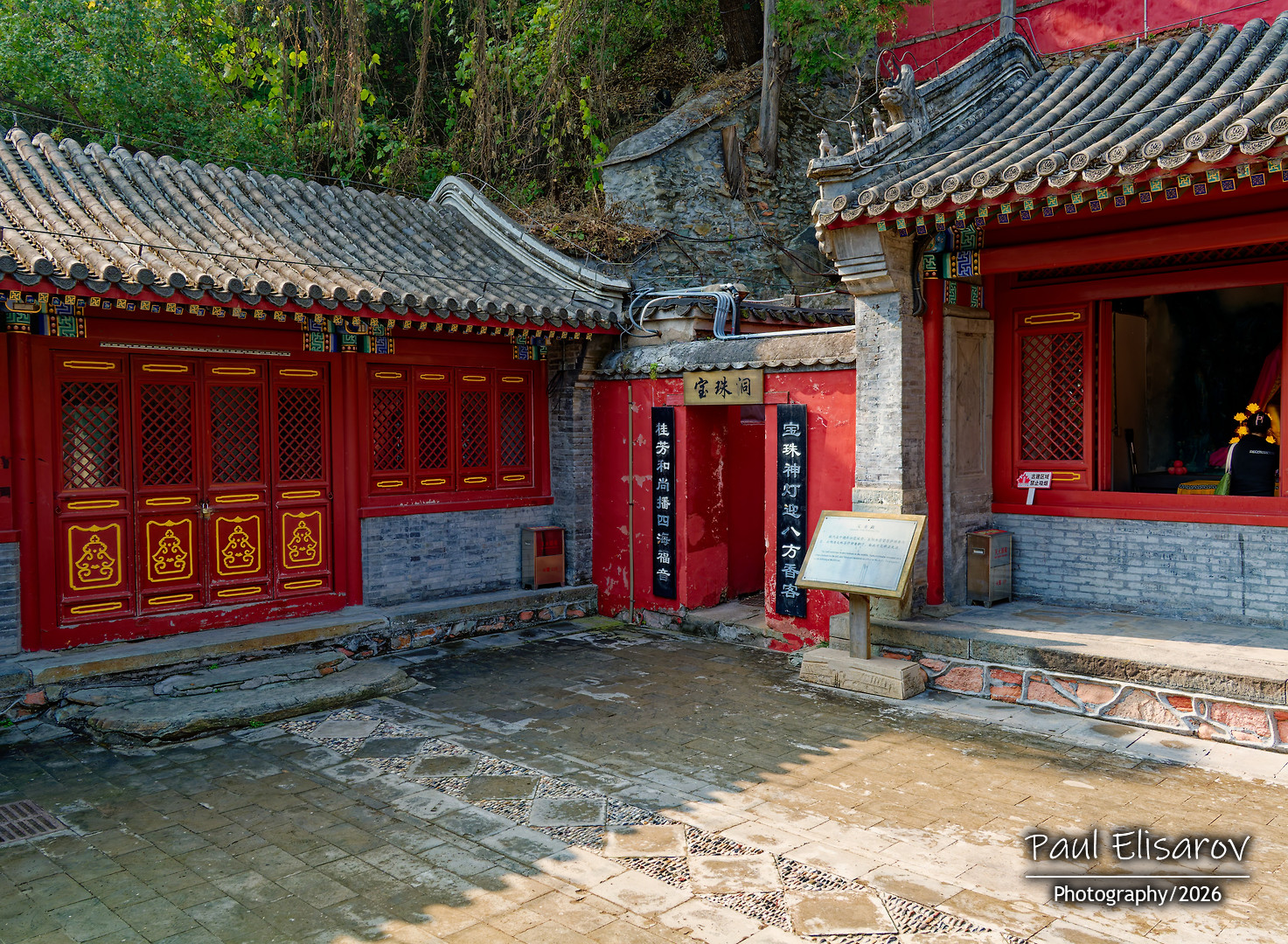
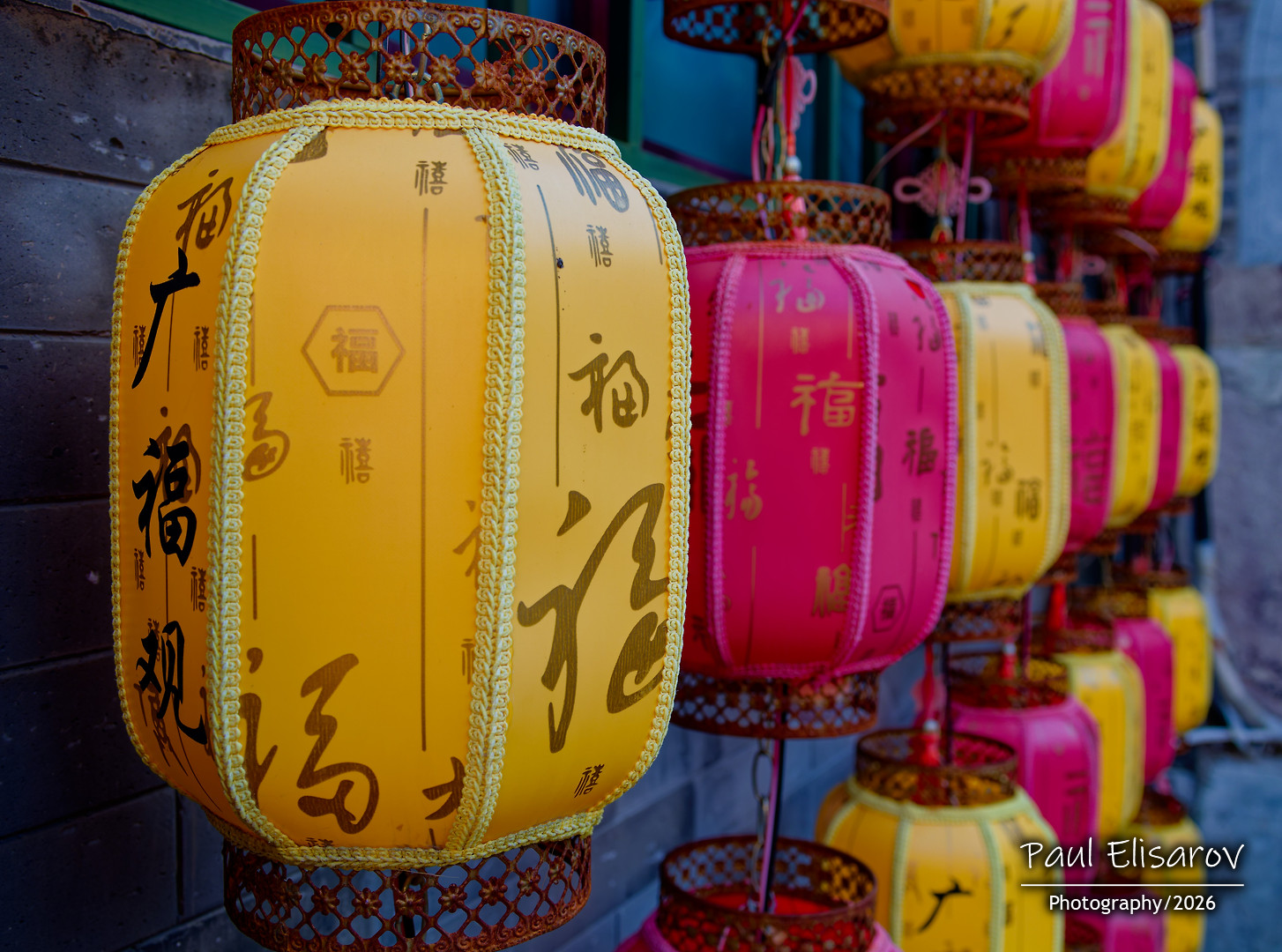
White Cloud Temple (Baiyunguan, 白云观). The main Taoist abbey of the Quanzhen school: red walls, yellow banners, lanterns, incense smoke. Near the entrance arch is a stone monkey that everyone rubs for luck (there are actually three of them in the temple, and "together they never meet").
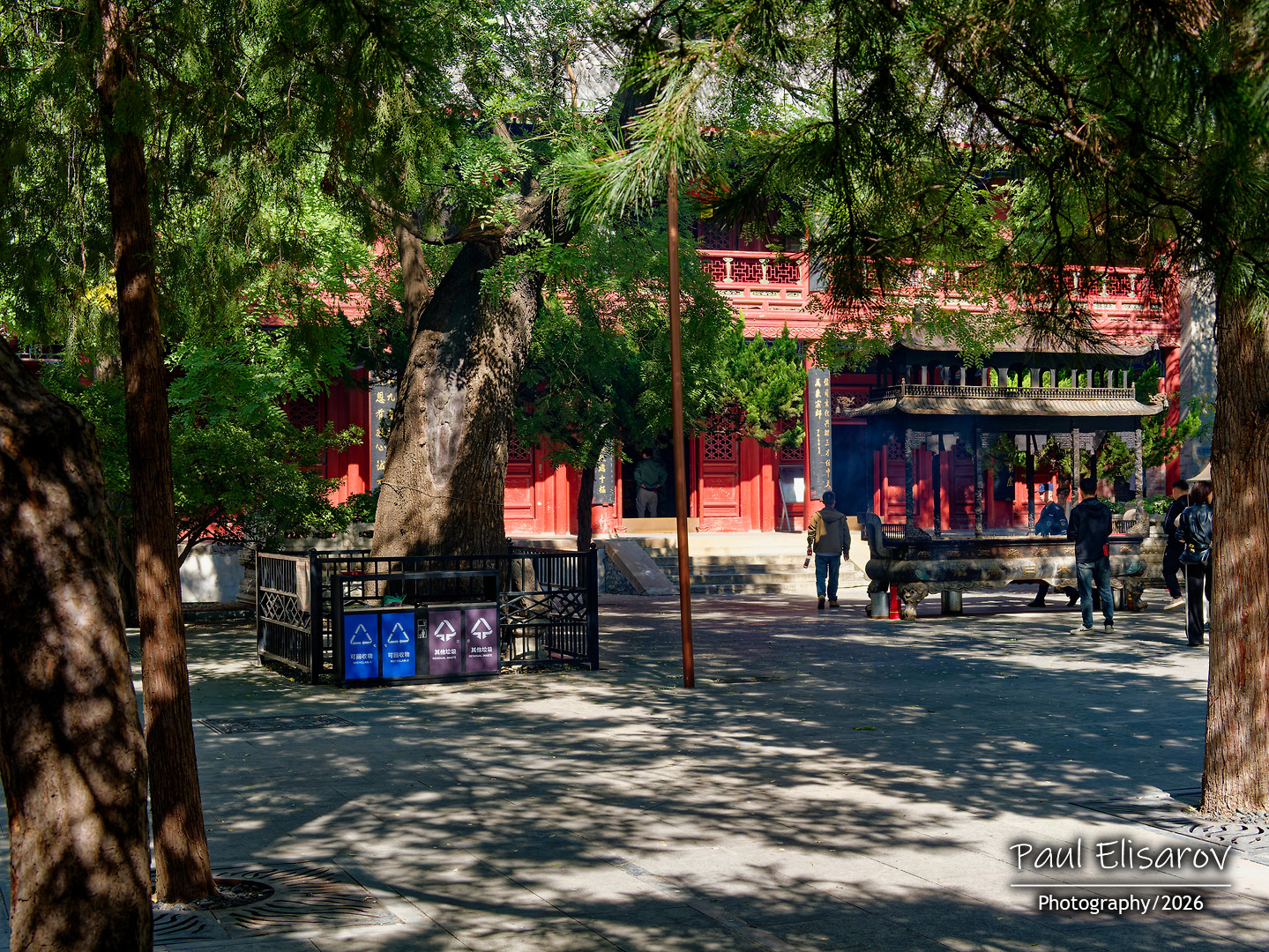
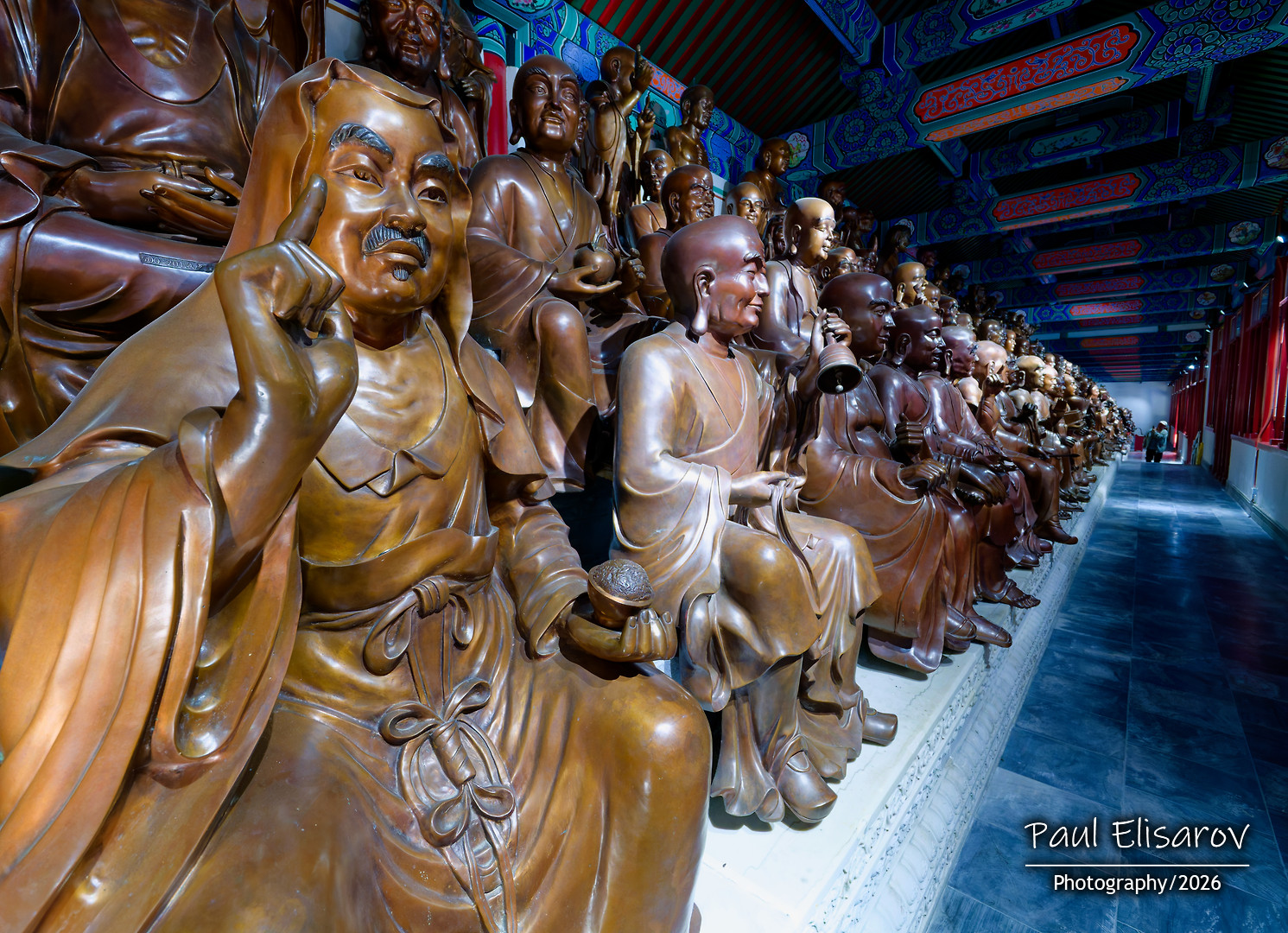
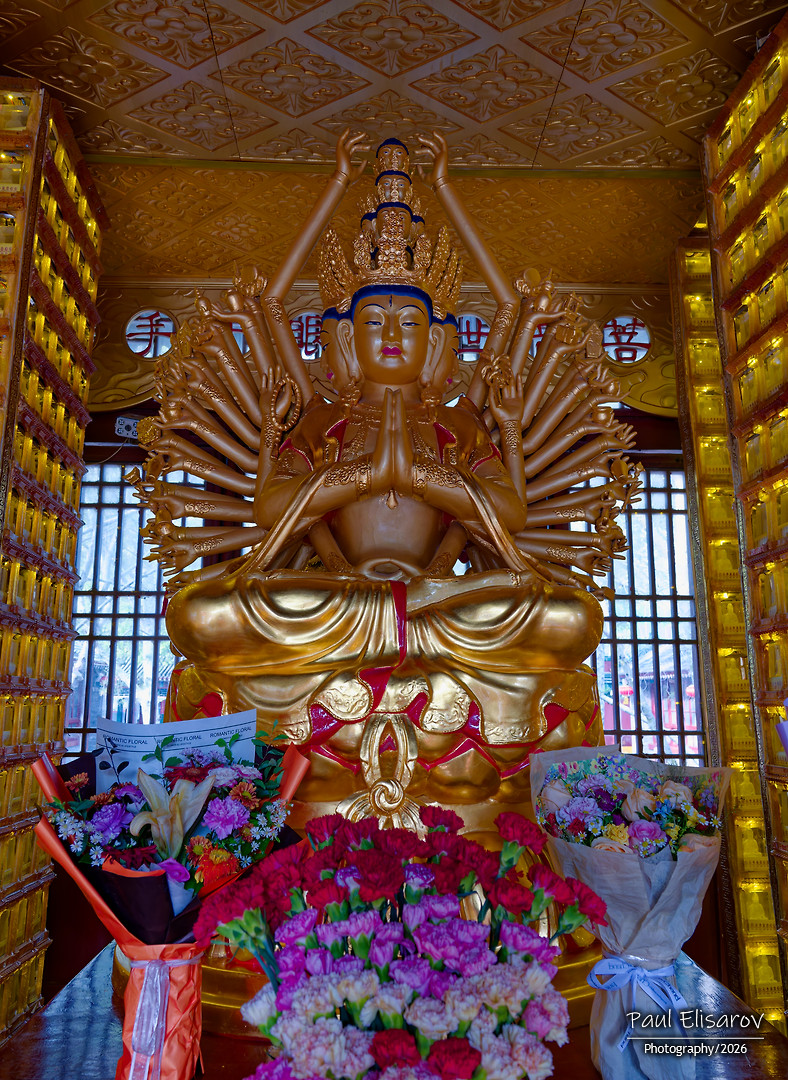
Here the 12-100 got its full workout: 12mm for courtyards full of people and smoke, 100mm for details of painted beams, knots on lanterns, little beasts on roof ridges. One lens covered both architecture and a juicy details series — without once opening my bag.
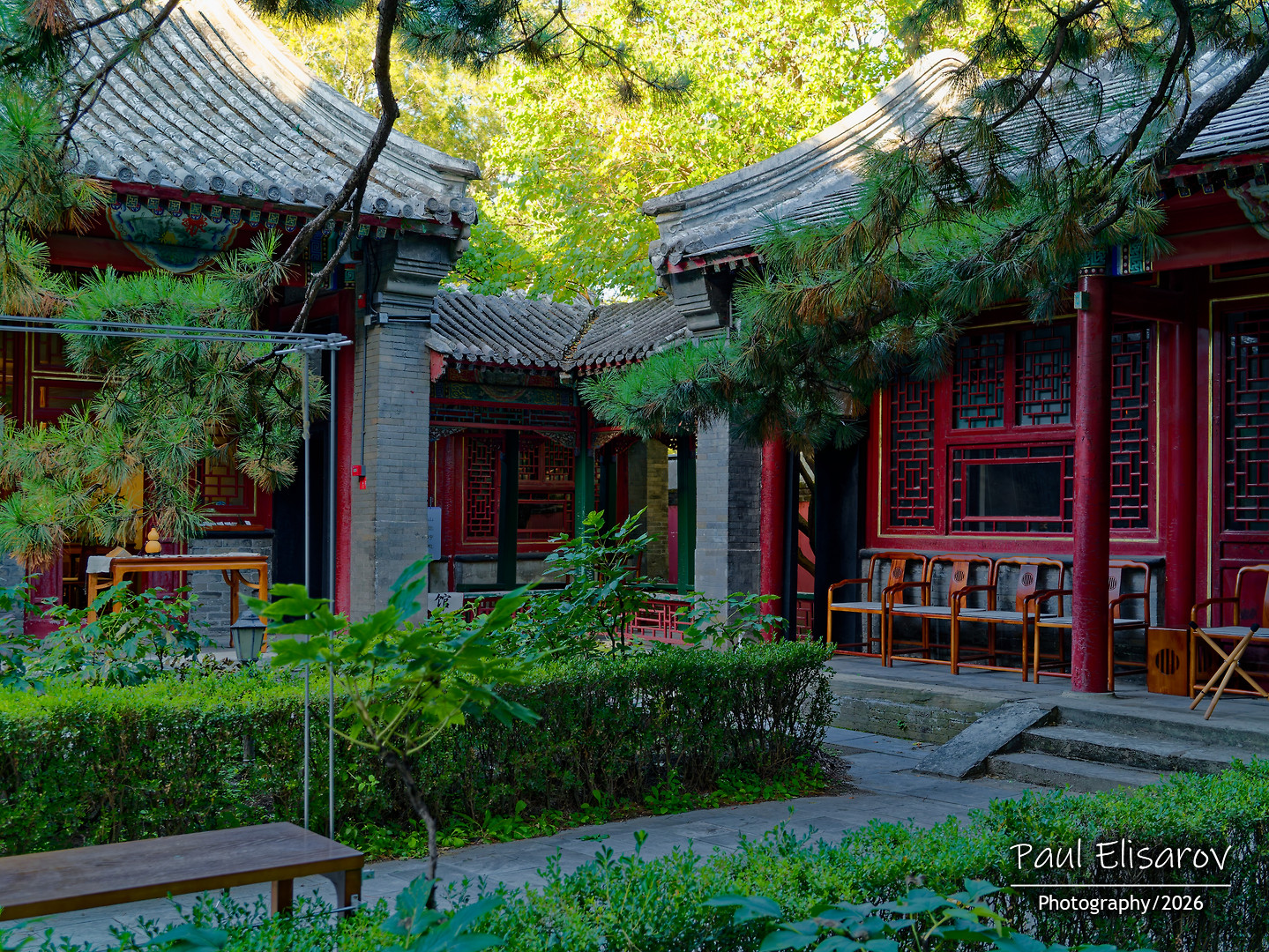
Daguan Garden (大观园). A garden built in 1984 specifically for the legendary TV series "Dream of the Red Chamber": pavilions, ponds, bamboo at Xiaoxiang Pavilion.
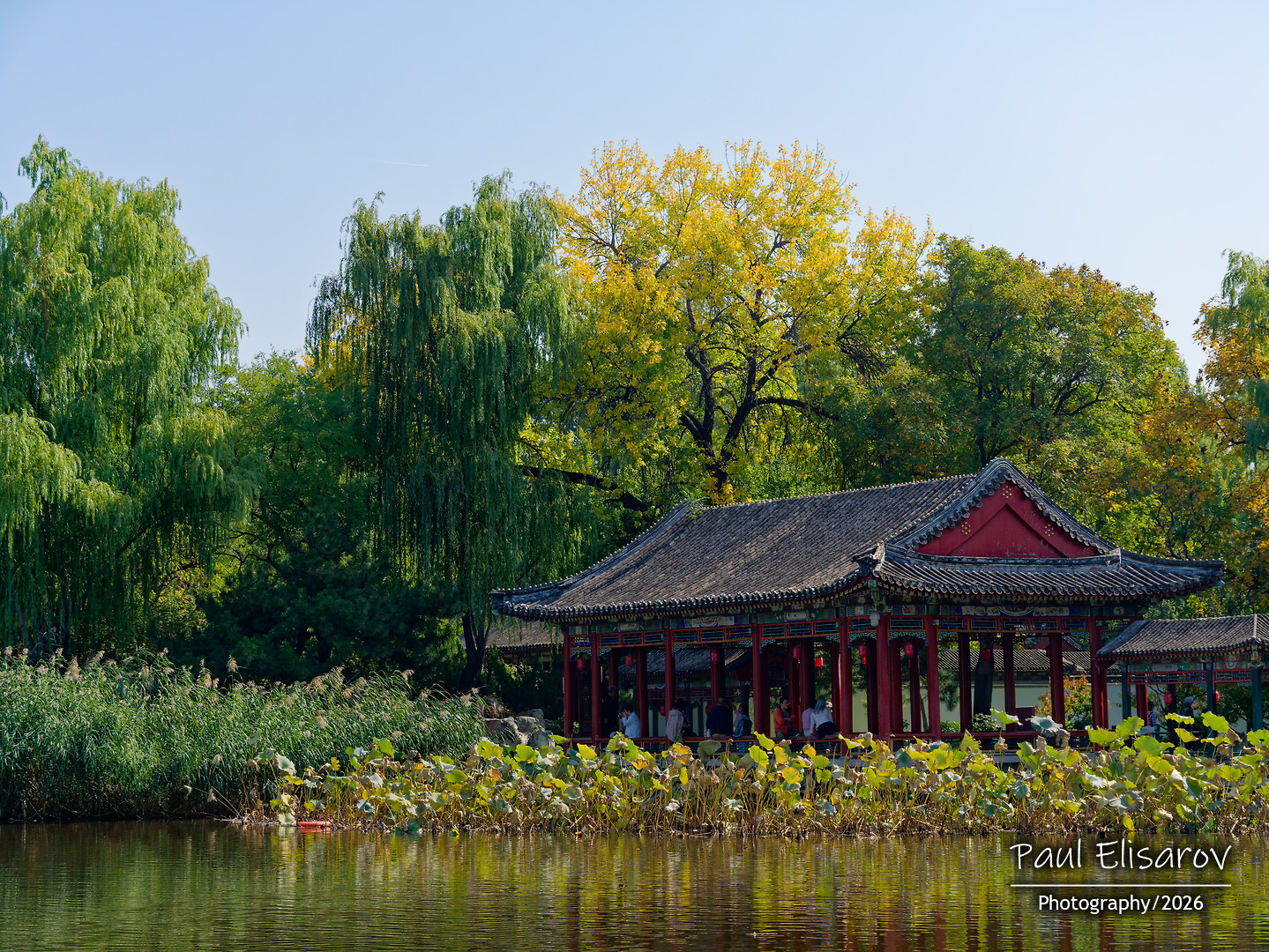
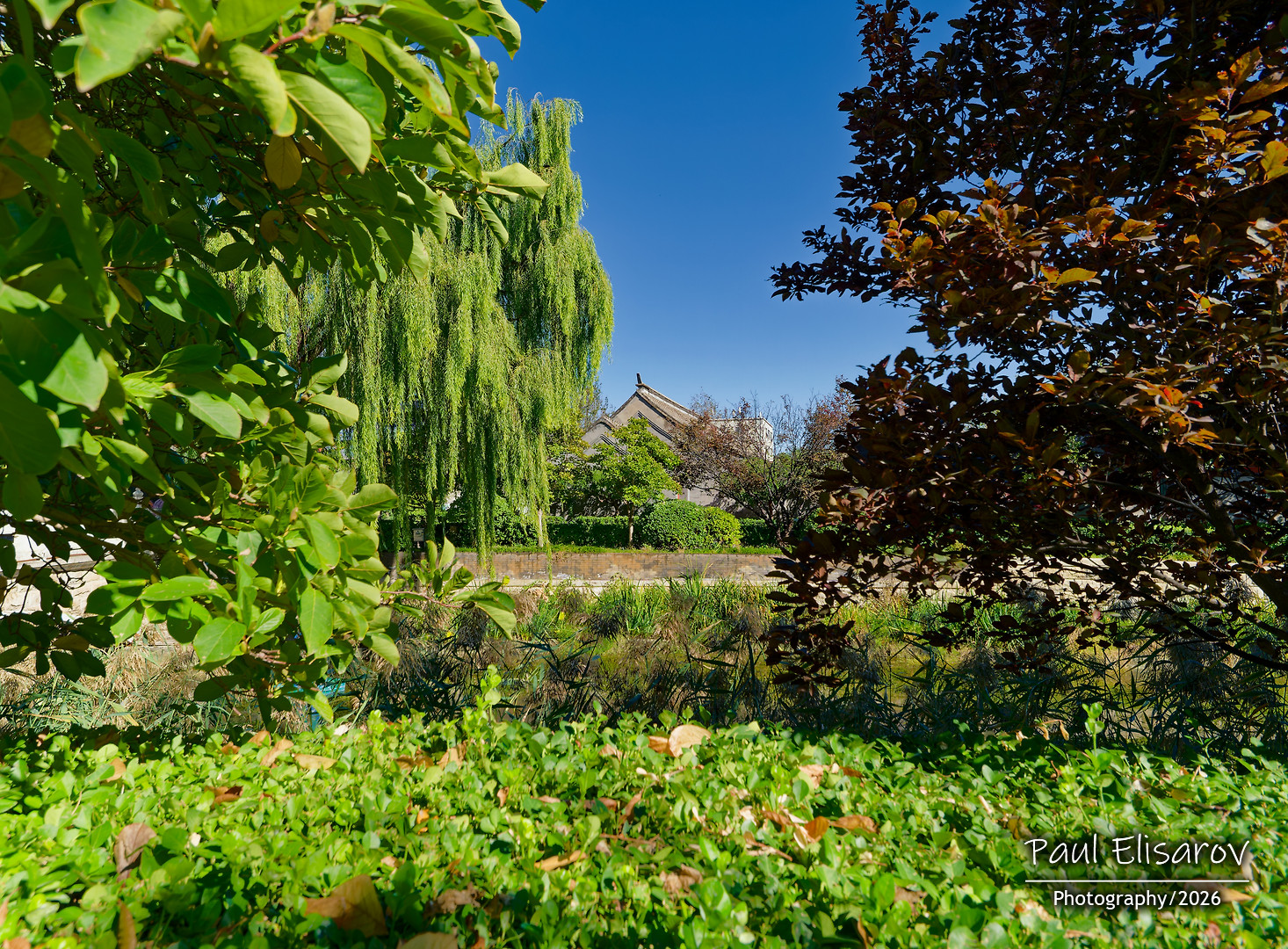
This is where the zoom is a knife for layers: from the opposite bank I compressed a pavilion, a pond, and a willow into one graphic "wall" — pure work of the long end.
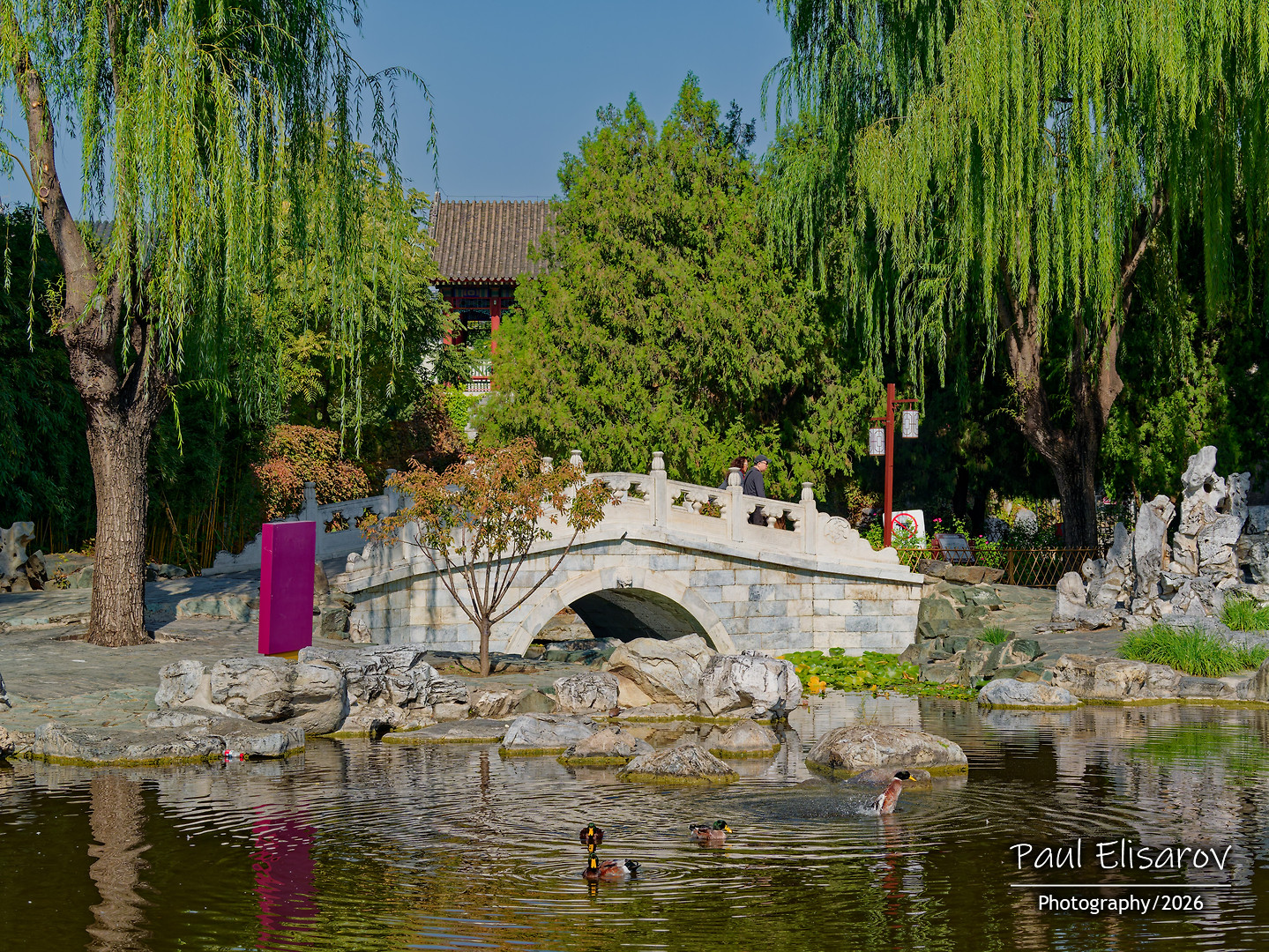
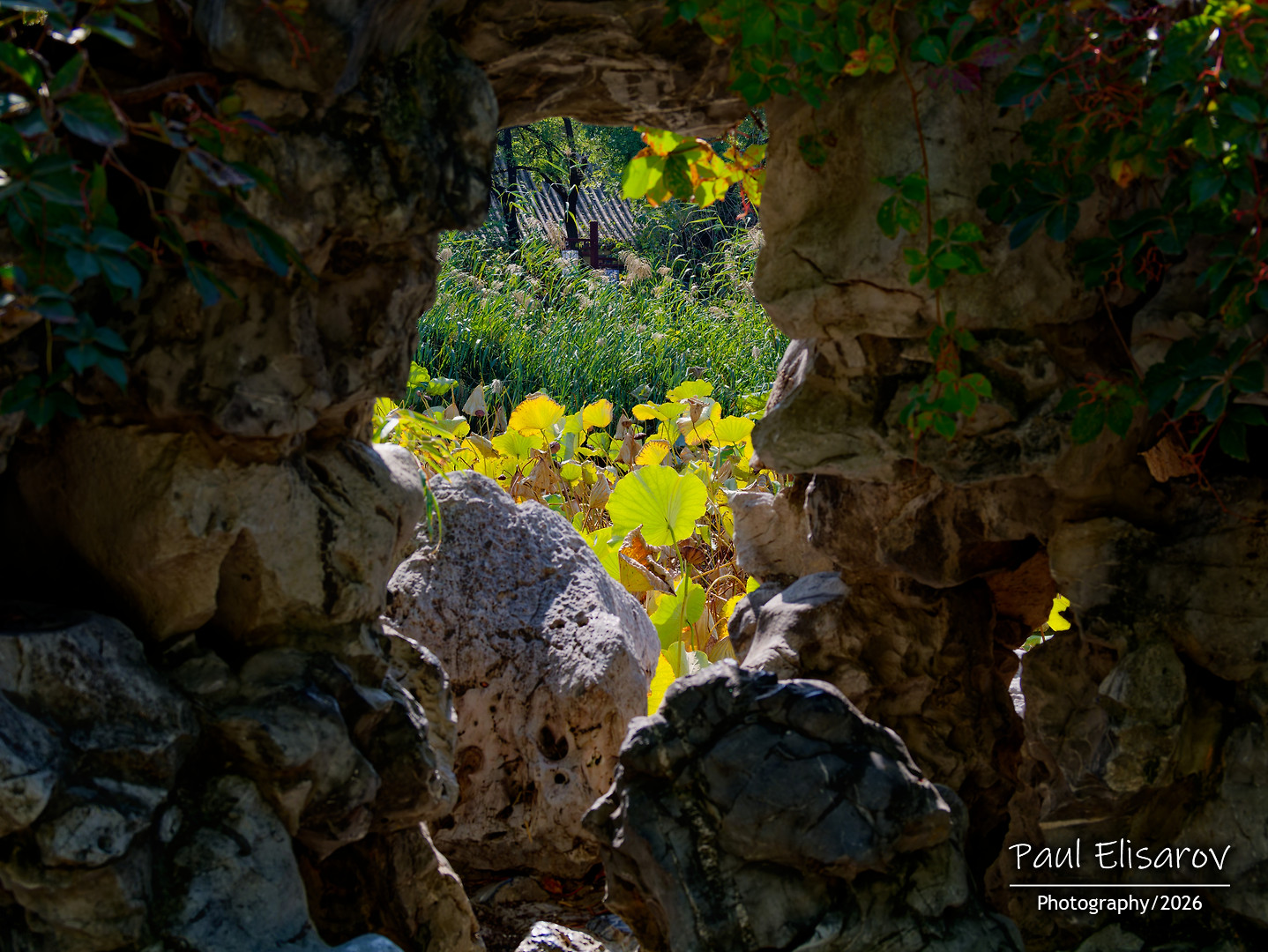
And half an hour later I grabbed wide garden scenes where peeking through a stone wall and stepping back was physically impossible as you stand in a tight labytinth.
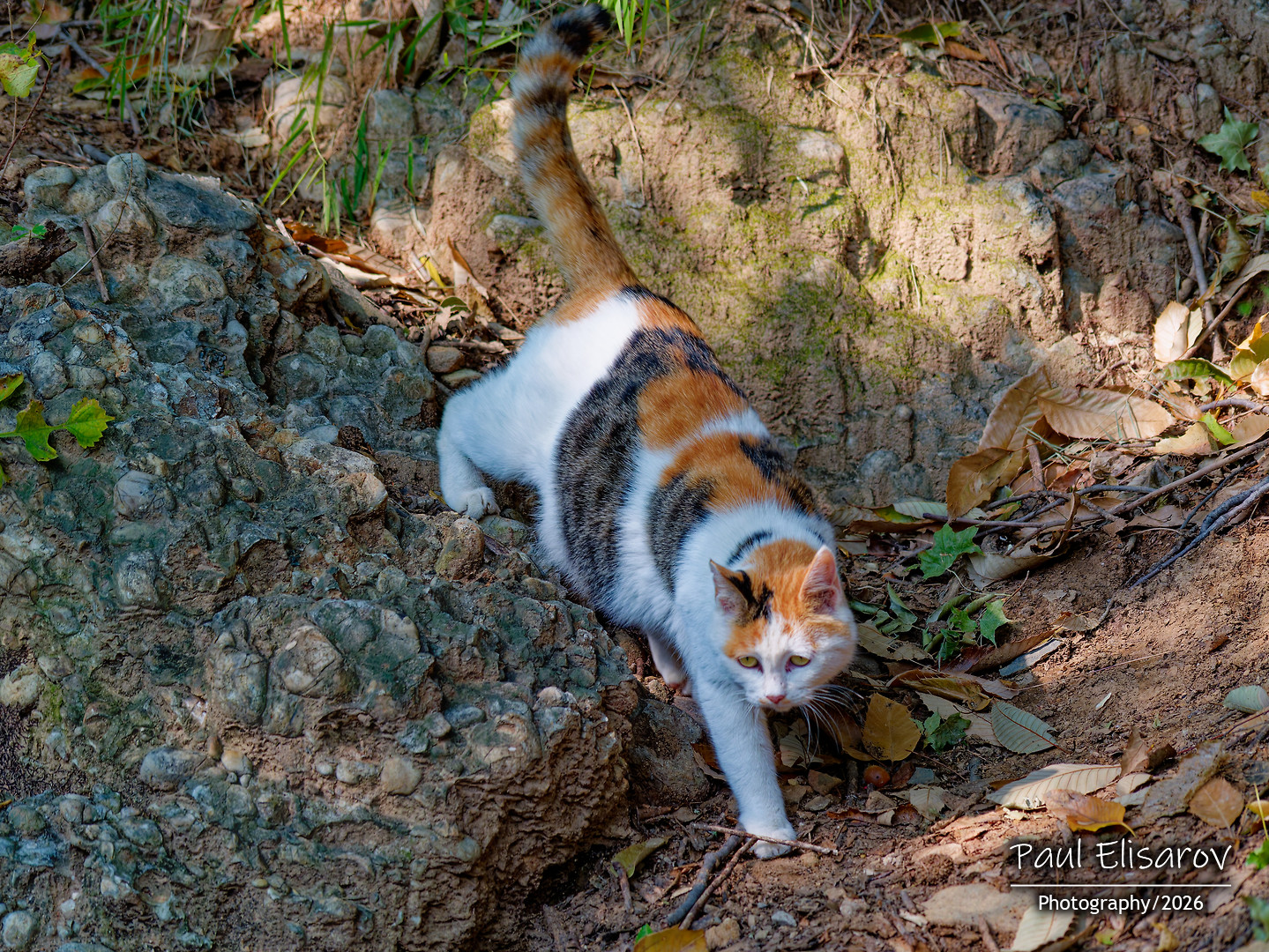
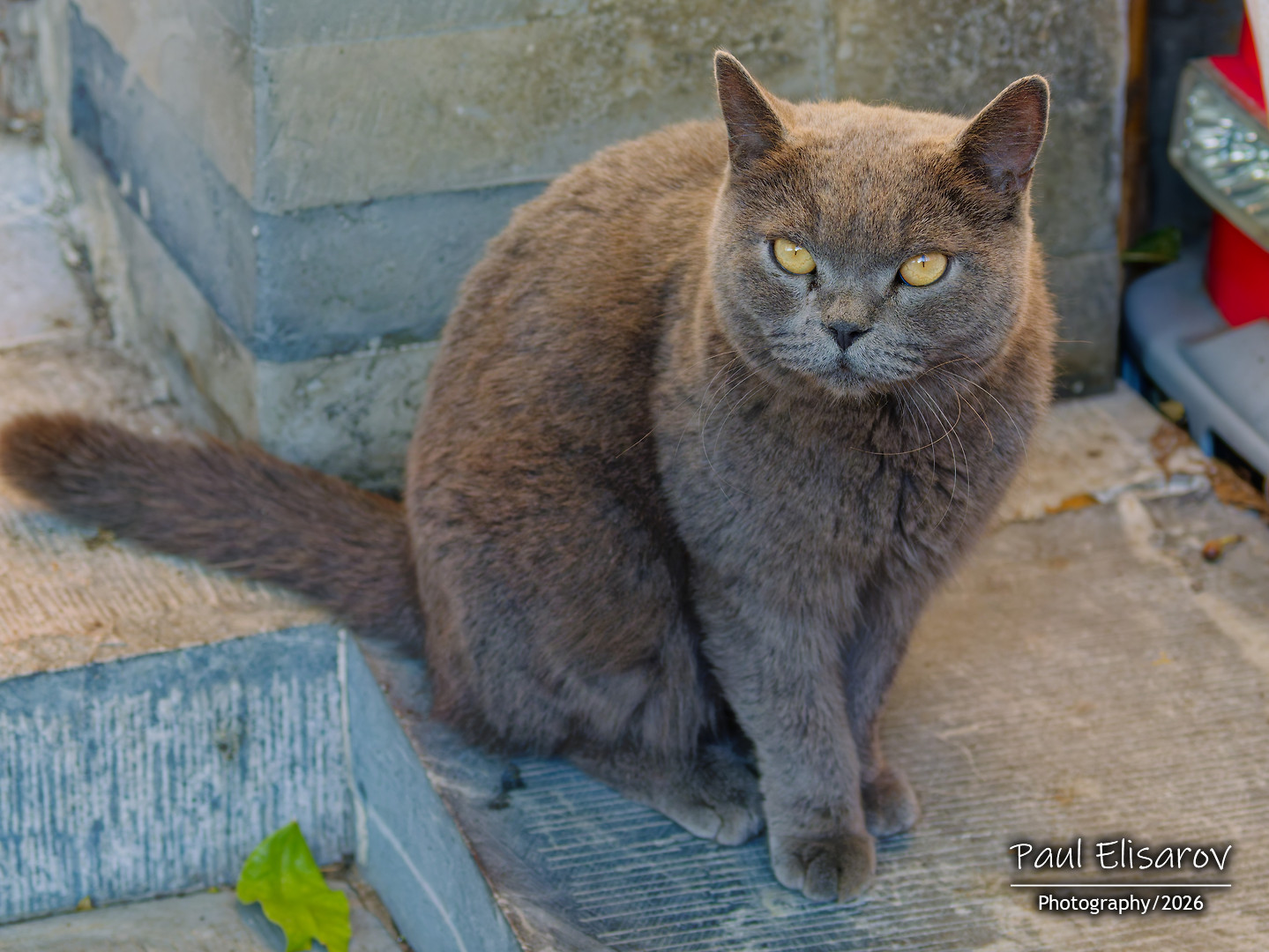
Hutongs. Grey walls, stone gateways, cats, bicycles, old men with birdcages. Classic candid street: 12–100mm let me shoot people from a distance, honestly and non-invasively. And in my pocket — the OM PEN with the tiny Panasonic 12-32, for when a scene unfolds at arm's length.
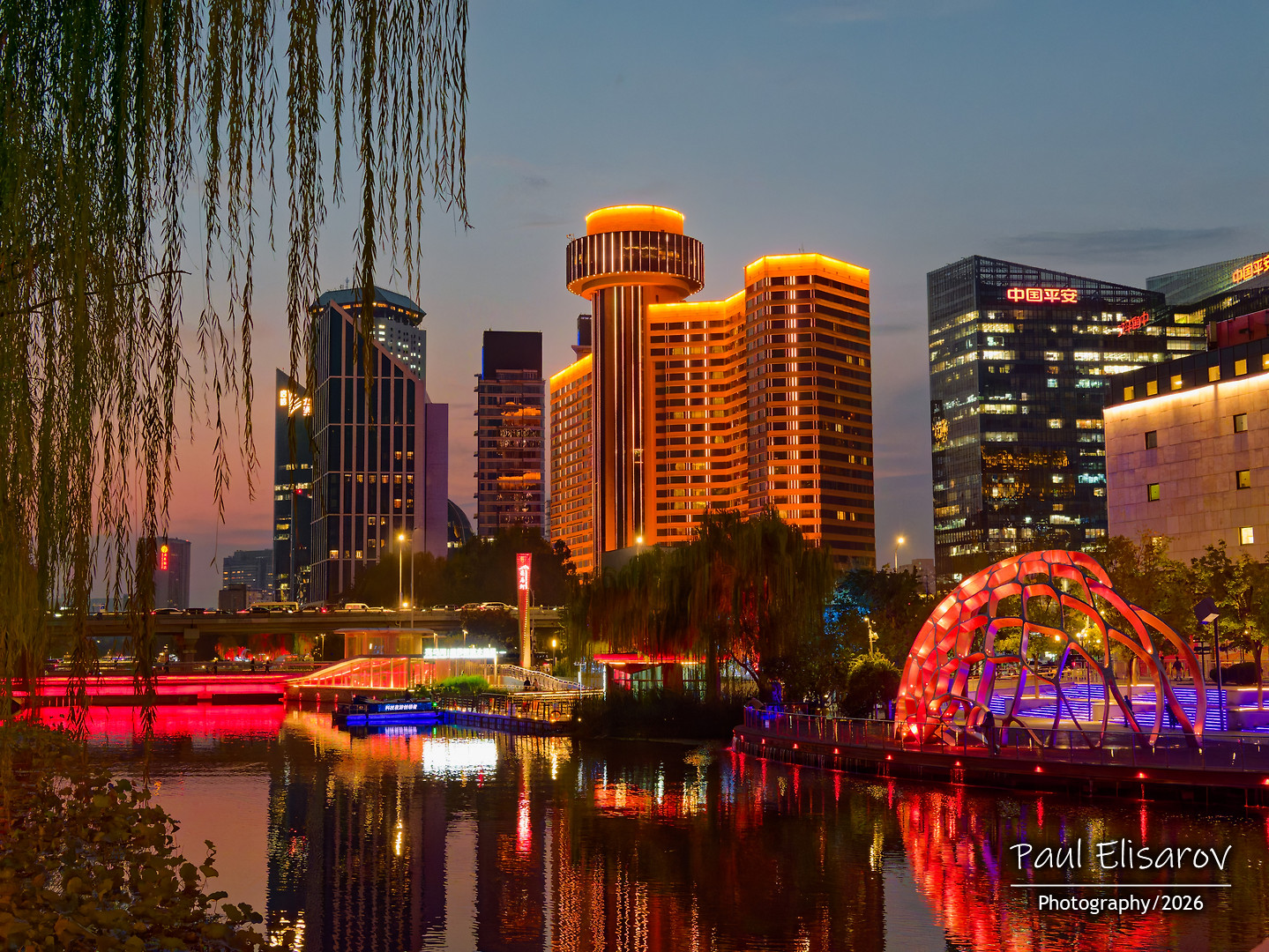
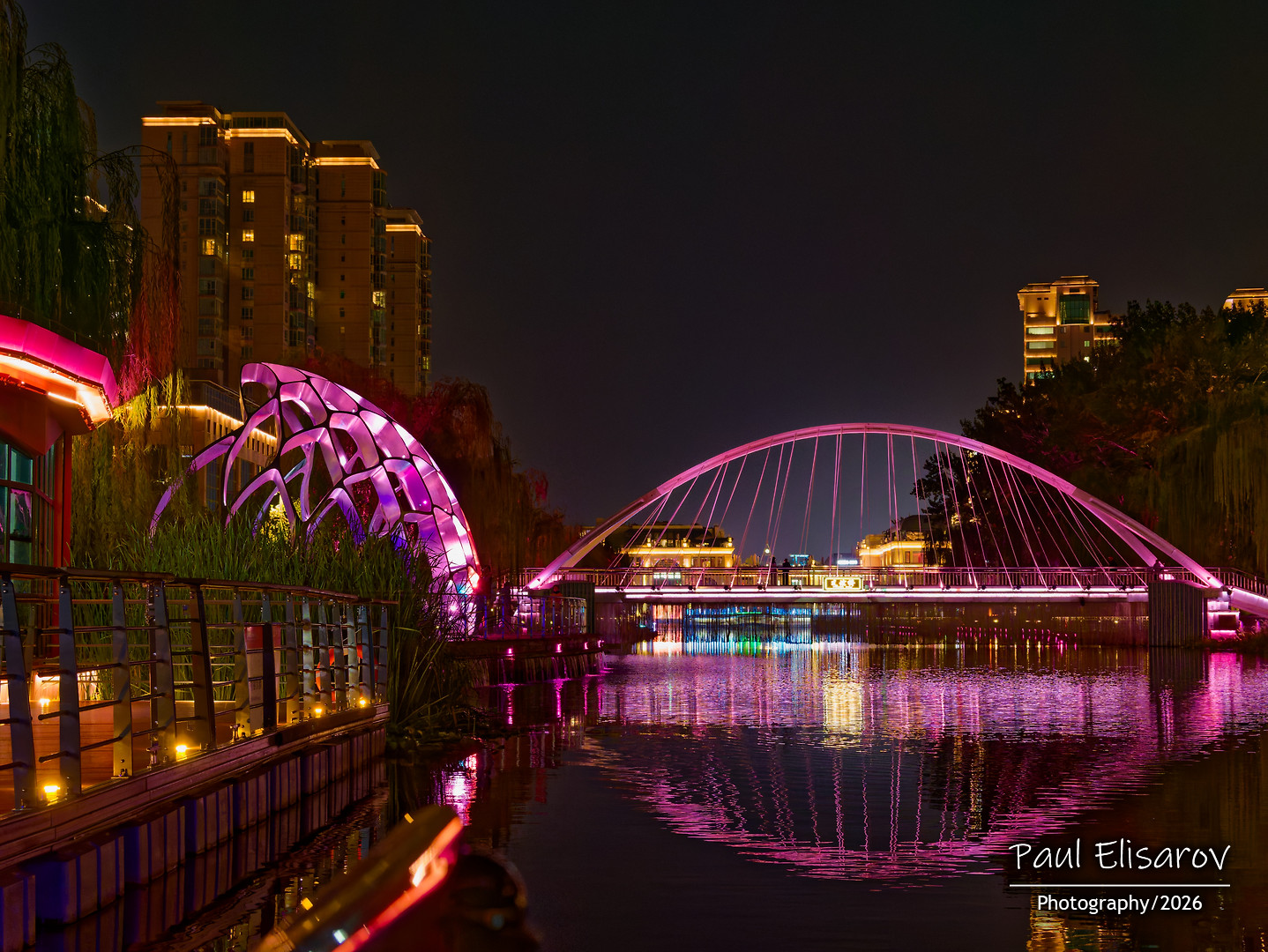
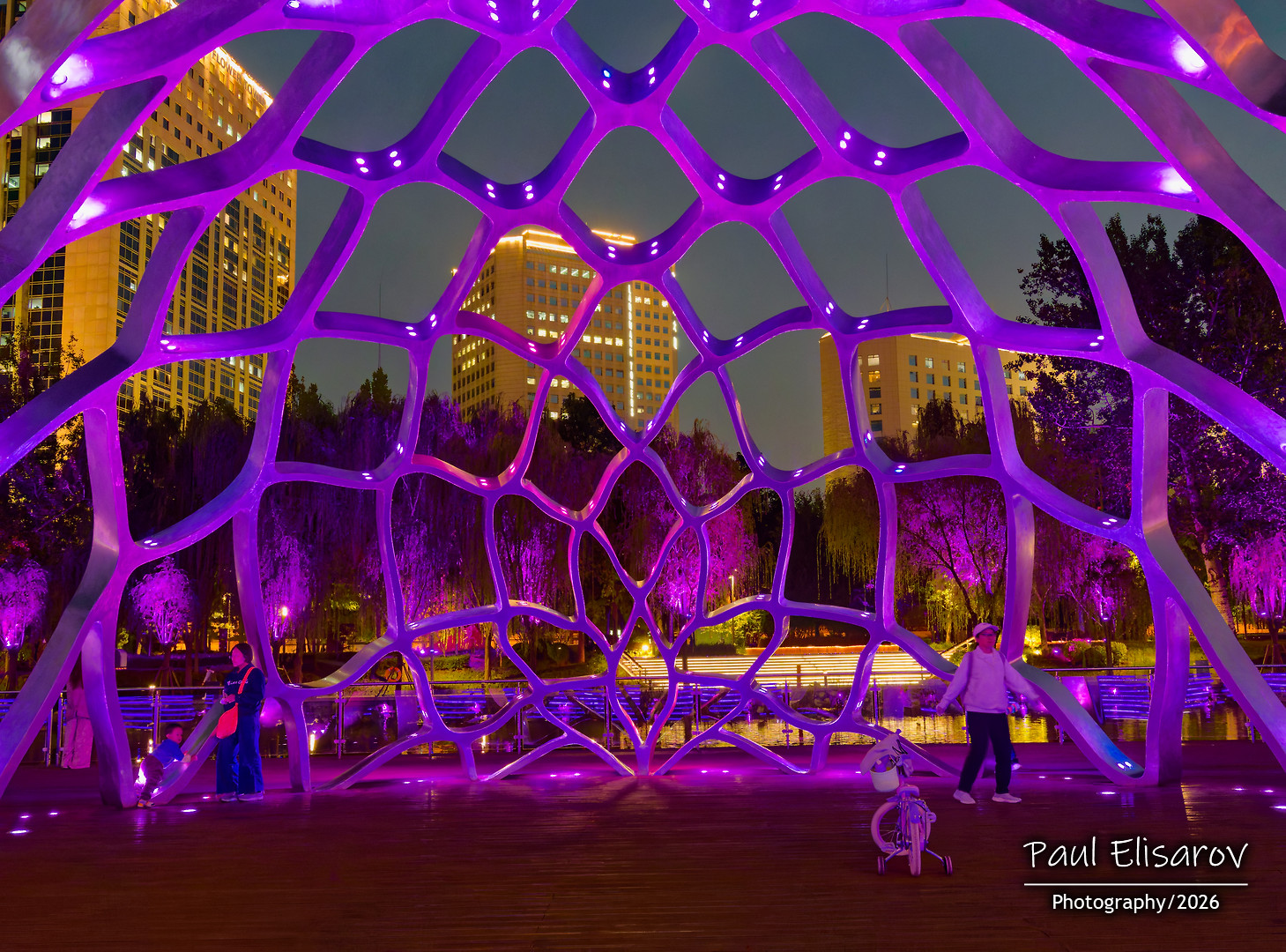
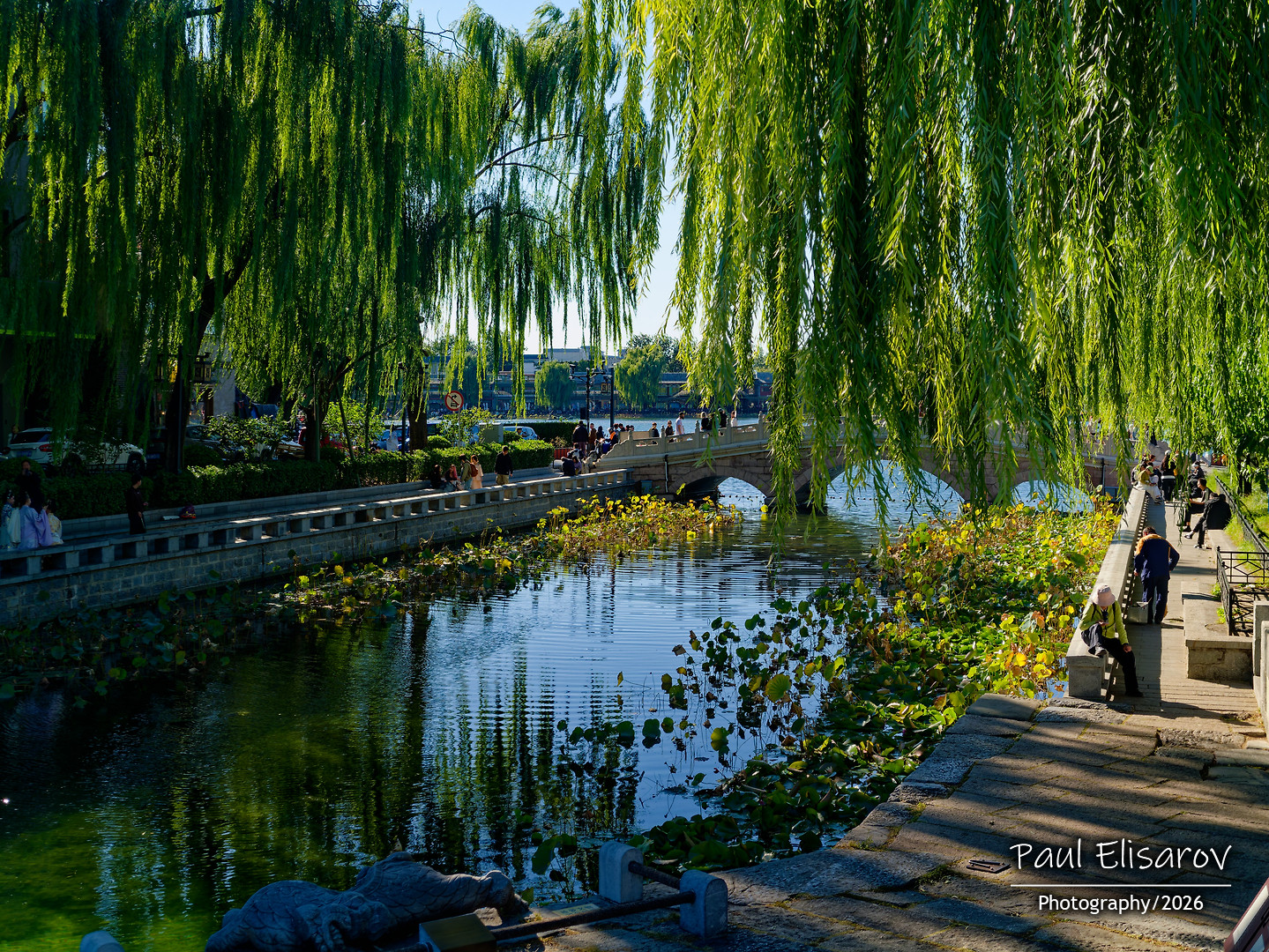
An evening boat run along the Liangma River to Solana (蓝色港湾). European-style houses by the lake, lights, a fountain, reflections in the water.
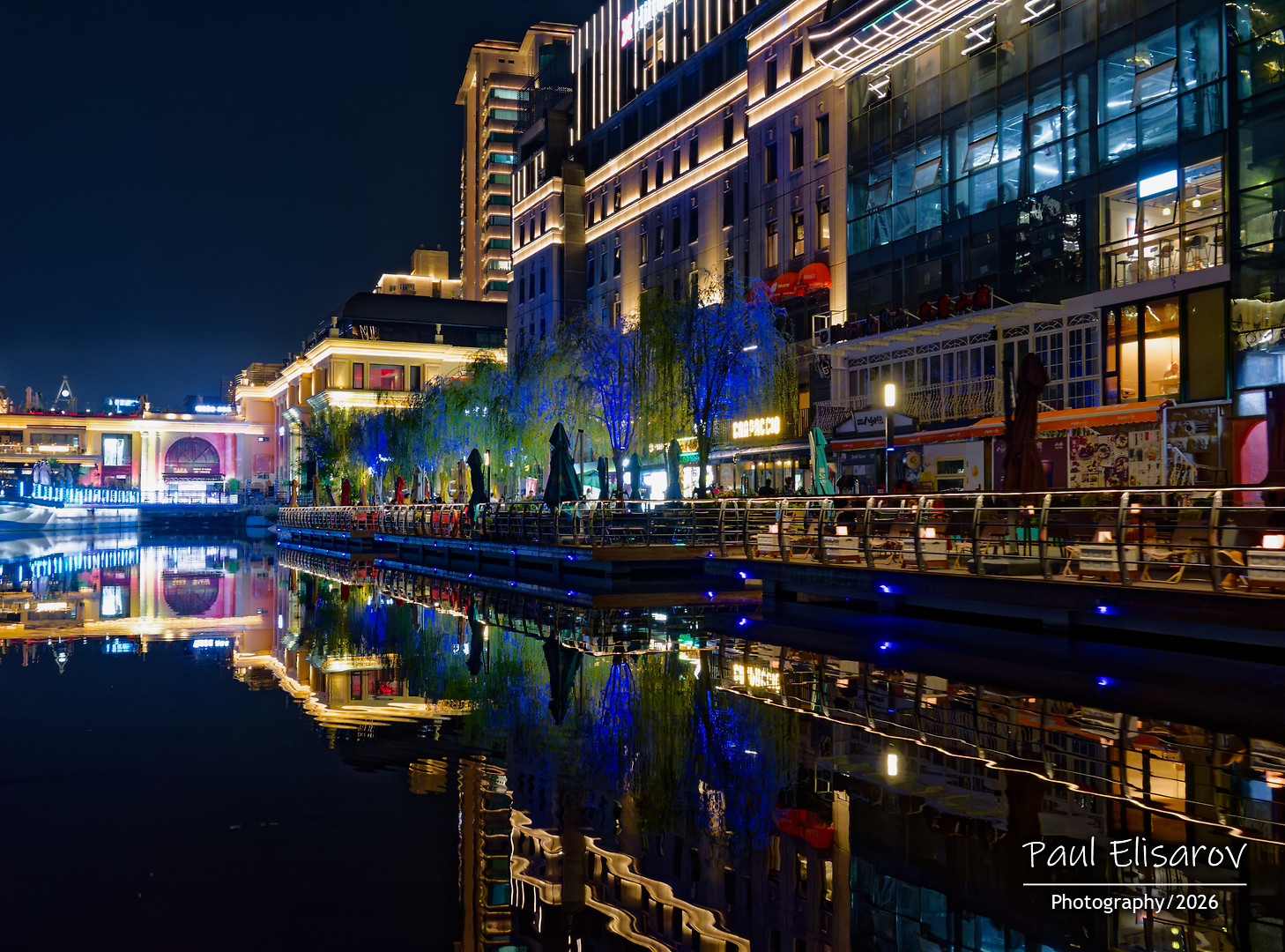
Beautiful, nocturnal, and — according to prime-lover canon — "not for dark zooms."
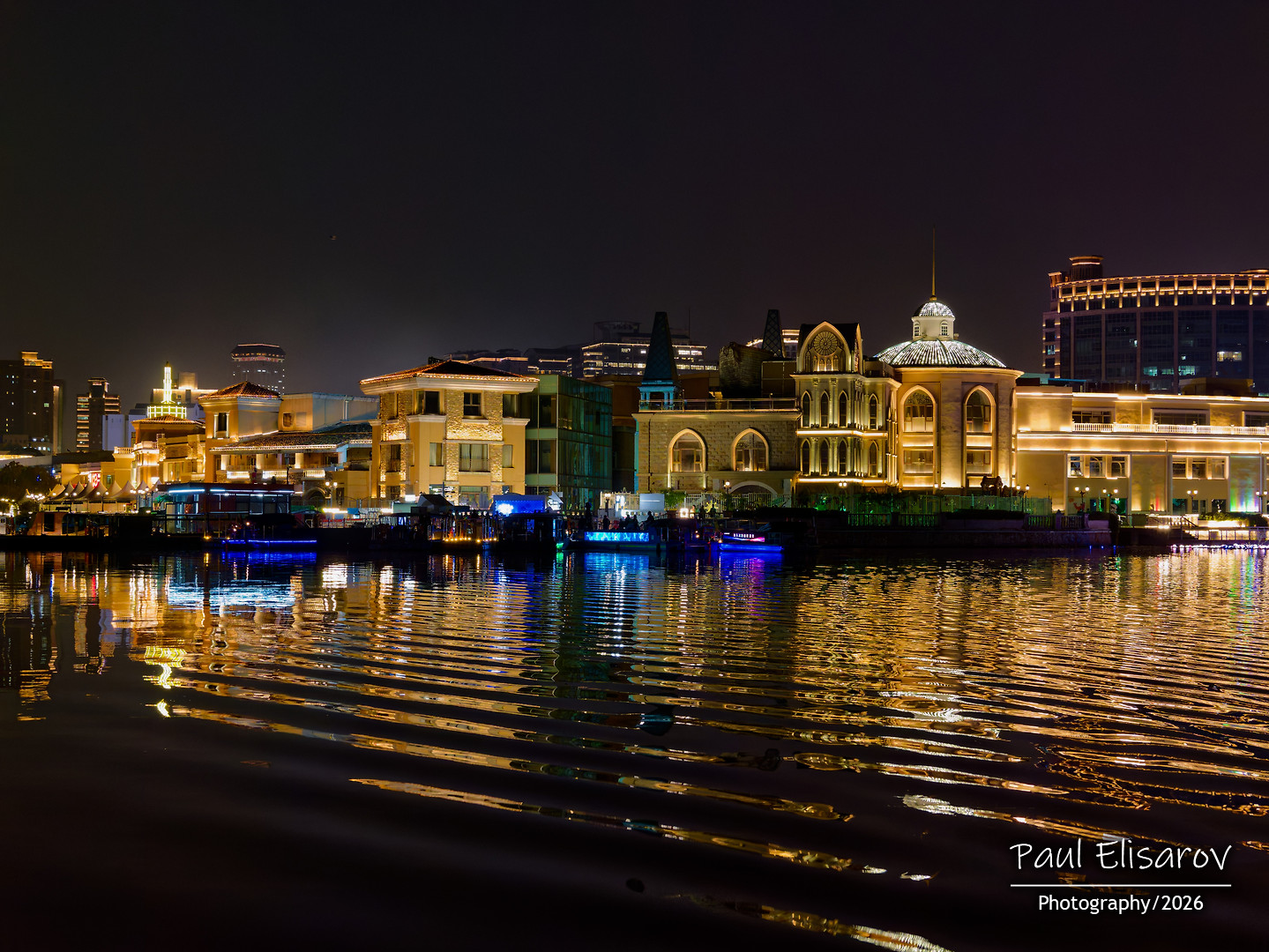
In reality: f/4, ISO up to 3200–6400, the G9II's stabilization — and everything holds. More on high ISO below; that's a separate conversation.
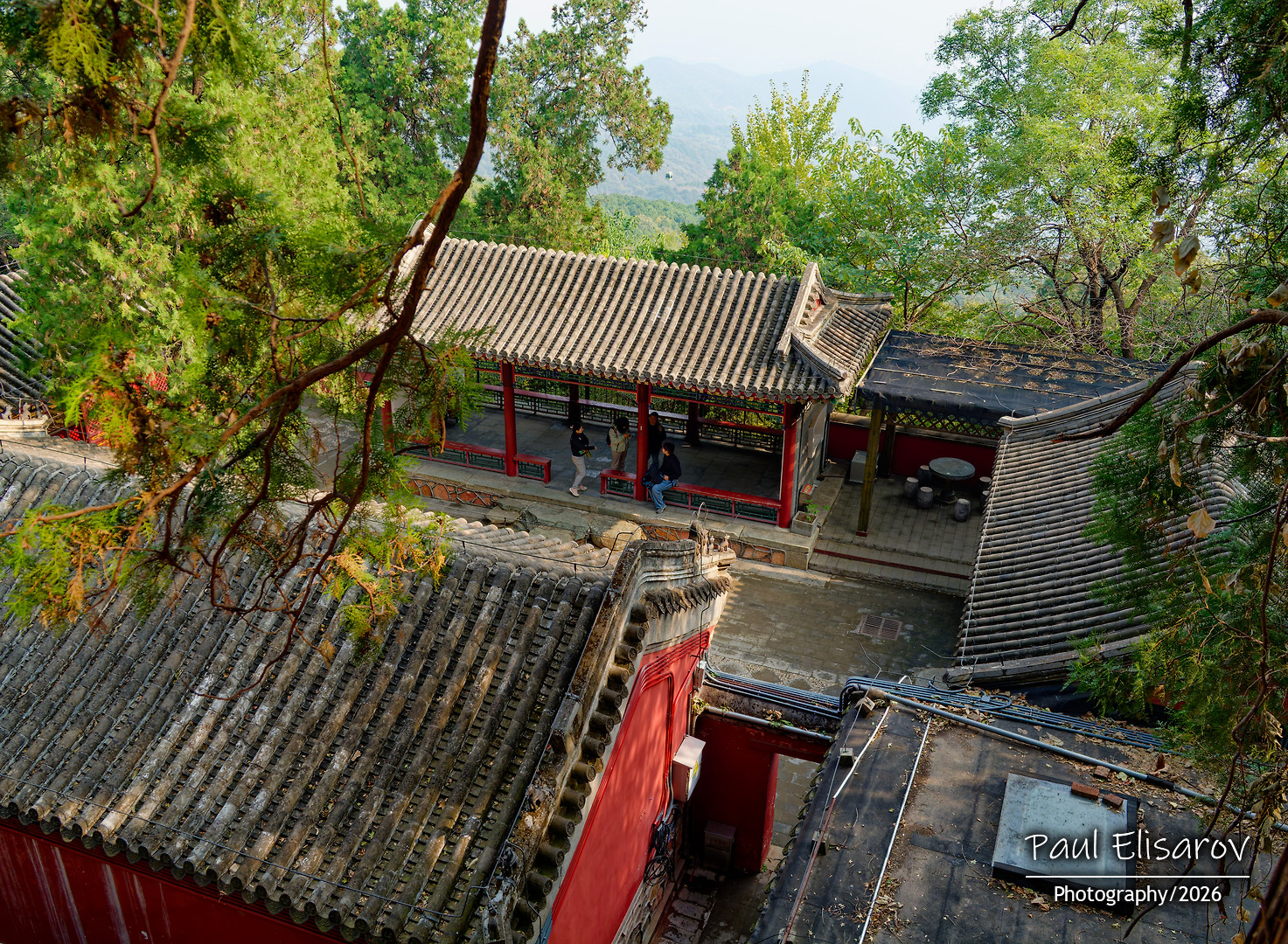
Badachu (八大处). Eight old temples scattered across the slopes of the Western Hills, forest stairways from the first "chu" to the seventh, and a panorama of all of Beijing from the top.
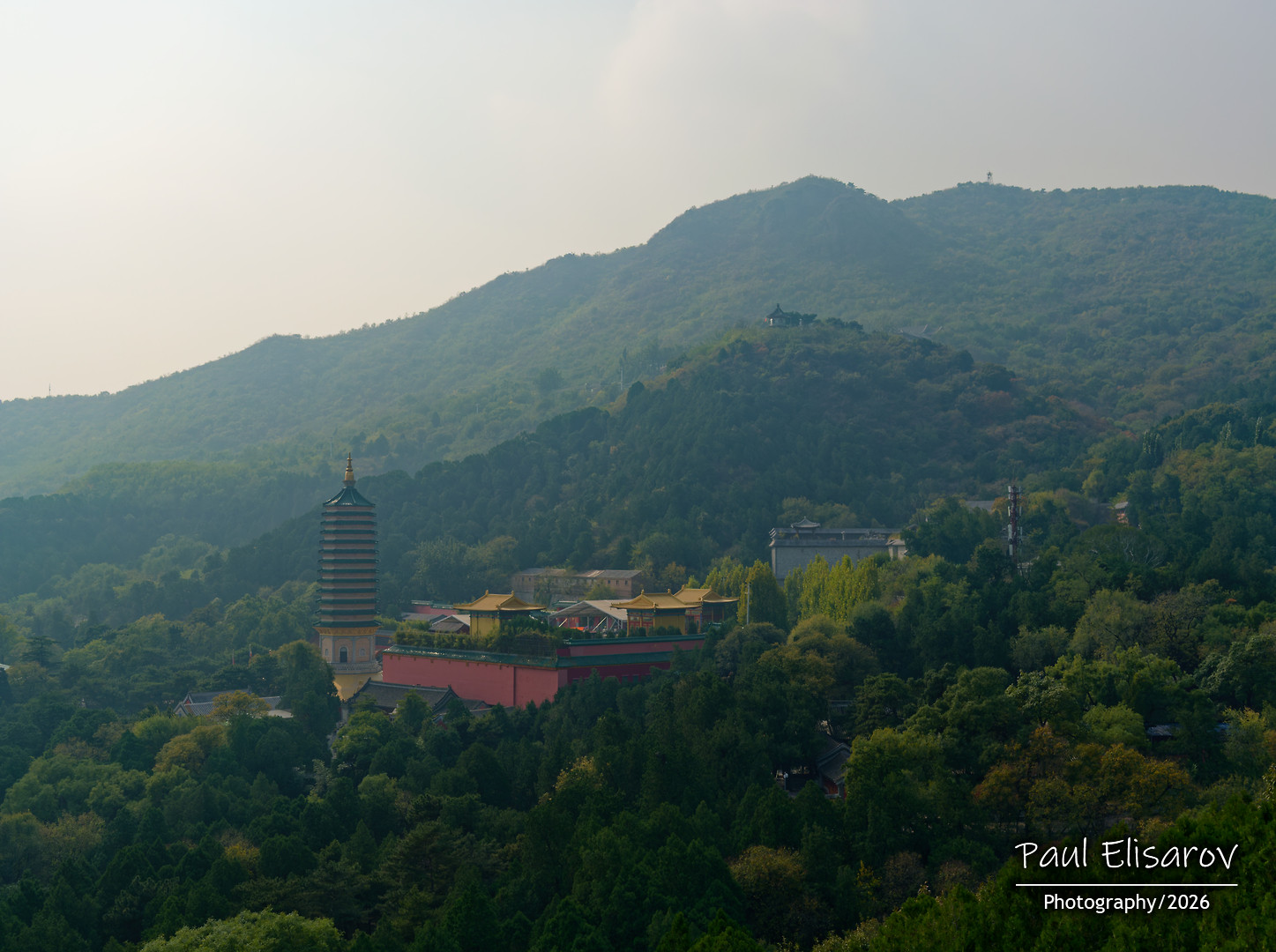
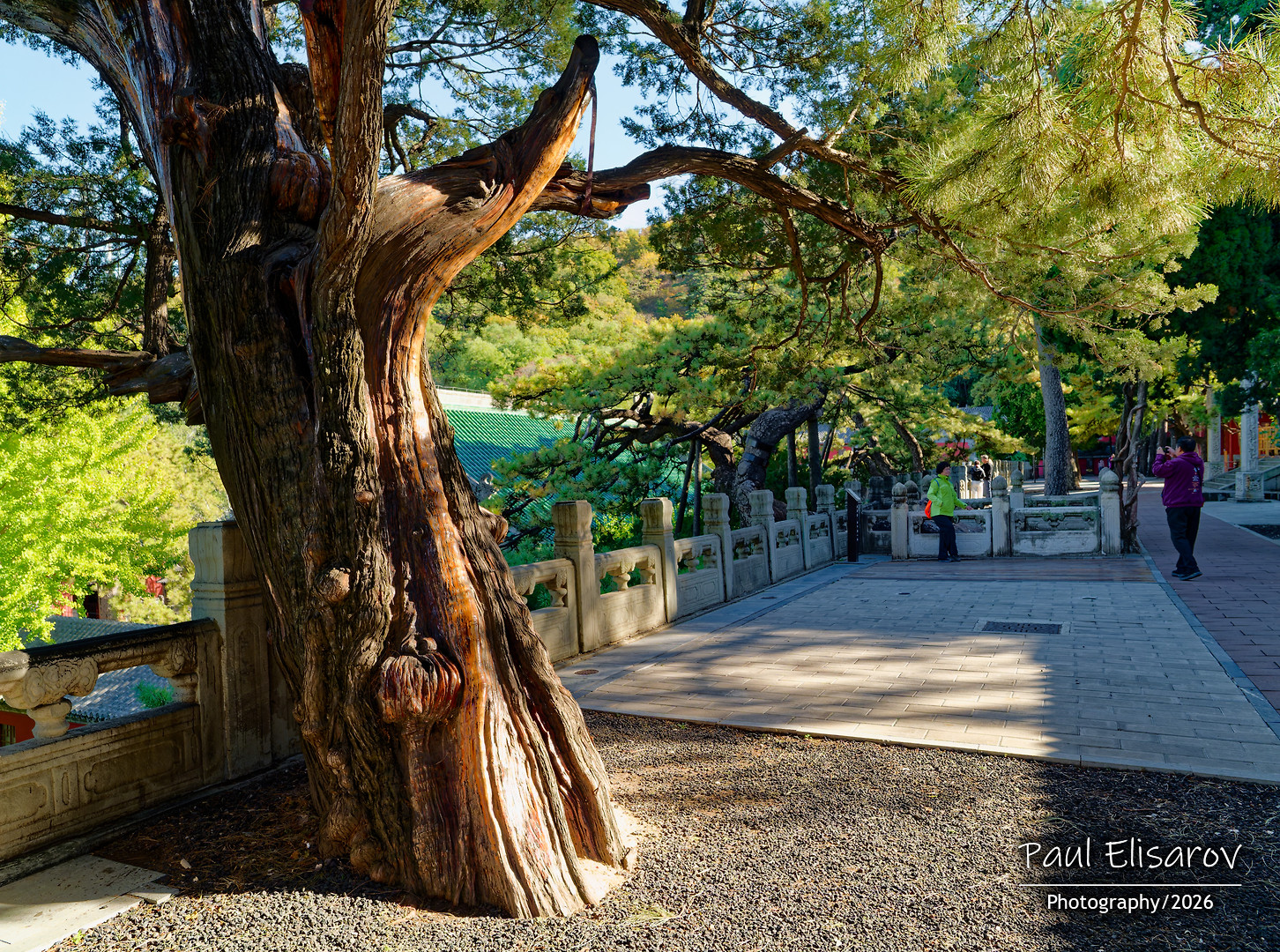
A classic "camera hike": the 8-25 handled forest and views, while the 100-300 II (that's 200–600 equivalent!) carved the stupa details and temple carvings into such slices that I was reminded of the Tamron of my youth. More on that below.
 Demolishing the Scare Stories
Scare story one: "Zooms are soft." Modern higher-class zooms — Olympus Pro, Panasonic Leica — are optically excellent and swallow the 25 megapixels of my G9II without breaking a sweat. But even with old superzooms, things are more interesting. When the Tamron 16-300 came out (18.8x, 24–450mm equivalent!), I owned the copy with serial number 000007 — the seventh one in the world. I wrote a review of it on my old, alas, lost website. That lens worked miracles if you knew how to use it: don't strangle it wide open, don't shoot contre-jour without need, watch your shutter speed, work in the lens's sweet spot.
Later I accidentally found on some forum a "clever" analysis of my article, which authoritatively proved that the photos in it were taken with three different lenses. Their only argument was: "a superzoom can't shoot this well." I laughed for a long time. It can. You just need to know how.
The Japanese, by the way, have known this for a while: an article by the Japan Photographic Society — an interview with Tamron's developers — is literally titled "High-Ratio Zoom Lenses in the Mirrorless Era" and opens with the admission that the stereotypes of "convenient, but the image is meh" and "the autofocus can't keep up" are outdated. And the Japanese beginner site CAMEFRI says it even more bluntly: "superzooms take bad pictures — that's a mistake. With the right settings, they deliver plenty of good frames."
Scare story two: "Zooms are slow, therefore noise." Partially true: f/4 on a 2x crop is not f/1.4. But high ISO is treated with quality processing — for example, DxO PhotoLab with DeepPRIME pulls ISO 6400 out of a Micro Four Thirds frame into a perfectly gallery-worthy state, as my Solana night shots prove. Plus the G9II's stabilization lets me drop the shutter speed to where a prime shooter is already pulling out a tripod. Noise today is a question of processing, not optics.
Scare story three: "A zoom makes you lazy — you stop moving." My experience is precisely the opposite. Laziness is parking at the two extreme focal lengths (see the 2008 story). Conscious zoom work disciplines you more than a prime does: you're forced to choose a focal length for every frame, rather than getting it "for free" with the lens. And nobody cancelled walking — I still hike and squat; the zoom ring is a second tool, not a replacement for legs.
Scare story four: "Real pros shoot primes." Go look at what photojournalists and wedding shooters use — and then look at what Canon China sells under the RF24-240 slogan. Spoiler: 一镜走天下.
 What They Think in the East
Since I dug through foreign internet, let me share a summary — it's the same war of religions over there, but with interesting accents.
China. They have a wonderful term: 一镜走天下 — "one lens to travel the whole world." It's an entire philosophy of the travel zoom: Tamron Hong Kong promotes the concept of 天涯鏡 — "lens to the edge of the sky" — with practical advice: weight under ~600 g, 28–200/28–300 range, a balance of weight and optics. Chinese travel-zoom reviews honestly analyze which superzoom to take on a trip, instead of shaming the reader for wanting one in the first place.
Japan. Besides the JPS and CAMEFRI already mentioned, there's Kobe Finder with the classic dilemma of 万能 vs 器用貧乏 — "versatility vs master of none" — the same debate, the same arguments. And in YAMAP Magazine, a professional landscape photographer hikes the mountains with both a zoom and primes and compares them — in the mountains the zoom wins on weight and reaction speed, because the scene changes while you're climbing.
I'd describe the overall picture like this: in theory, primes win; on trips, zooms do. In Eastern markets, where people travel a lot and walk a lot, the travel-zoom culture is noticeably stronger than ours, and Tamron's engineers have spent generations polishing exactly the high zoom ratios (they released their first 28-200 back in 1992). So my position isn't heresy in Asia — it's mainstream.
 My Current Arsenal
The Micro Four Thirds system, and that's a deliberate choice for a zoom shooter:
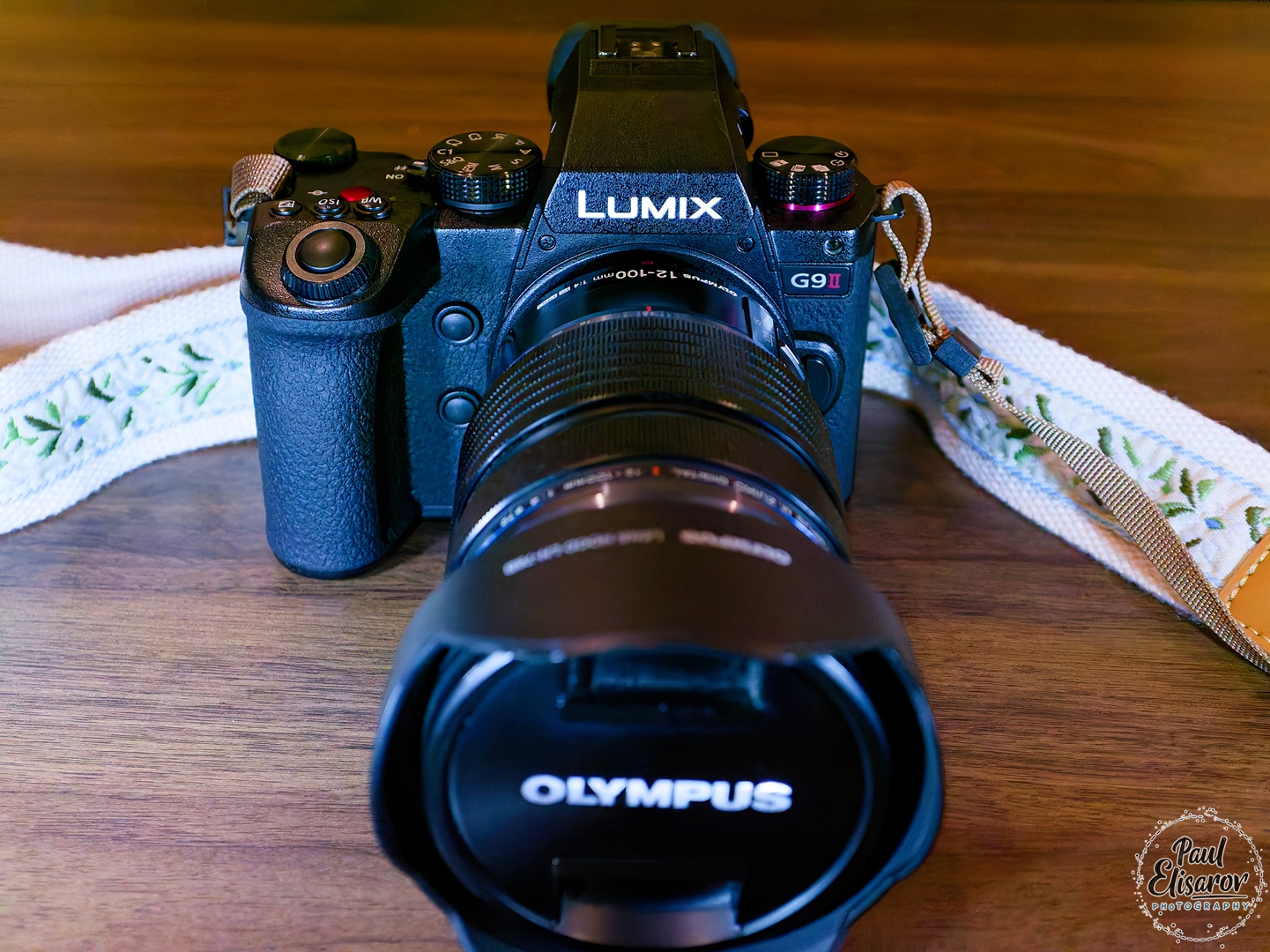
Panasonic G9II — fast hybrid autofocus and stabilization, a tandem perfect for dark scenes;
OM PEN in the pocket with the Panasonic 12-32 — the "urban walkabout" combo;
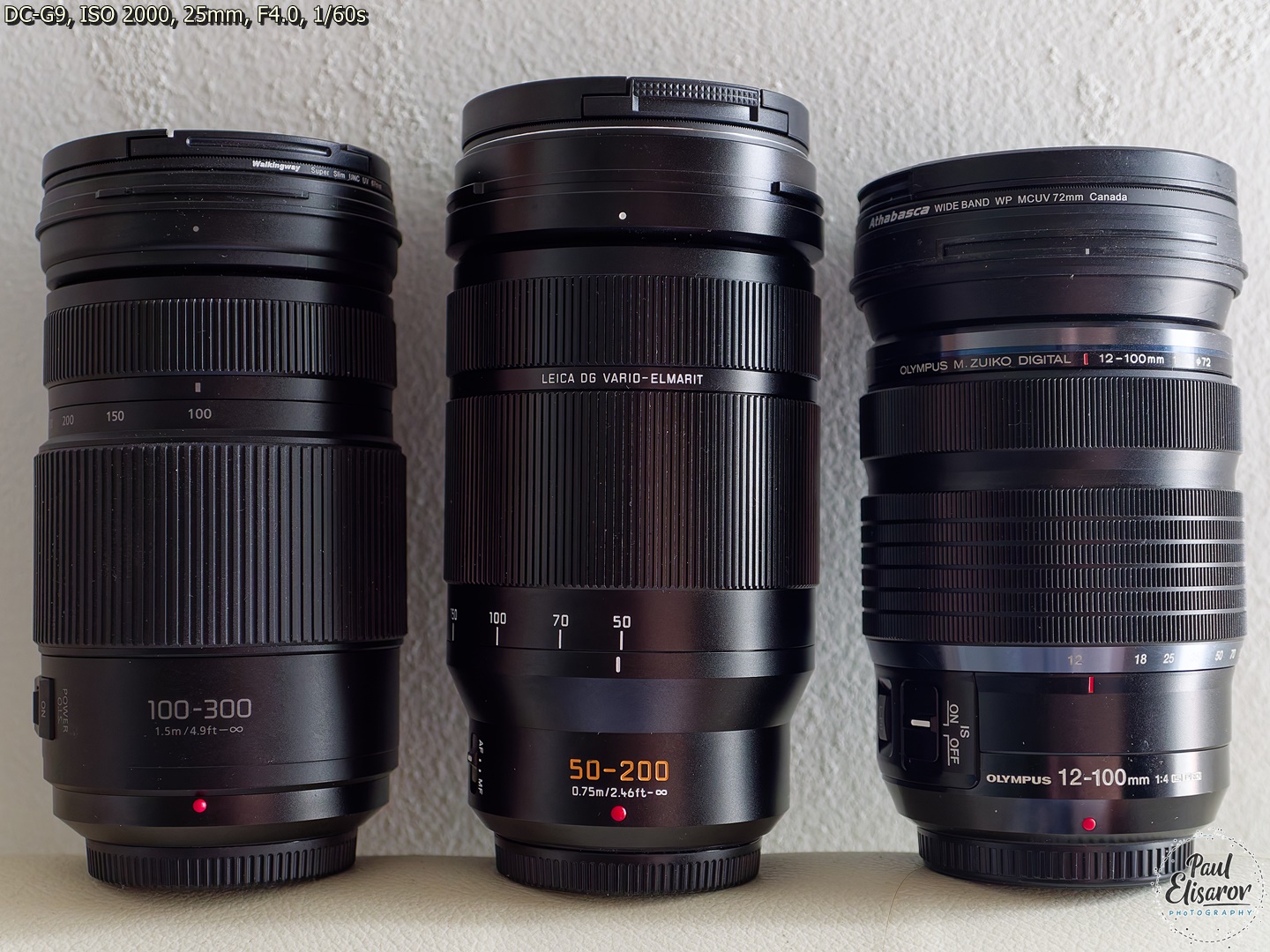
Olympus 12-100/4 IS PRO (24–200 equiv.) — one lens for the day, weather-sealed, does everything;
Olympus 8-25/4 PRO (16–50 equiv.) — temples, interiors, tight courtyards;
Panasonic 50-200/2.8-4 (100–400 equiv.) — portraits "from a distance," details, semi-macro;
Panasonic 100-300 II (200–600 equiv.) — my "cannon" for Badachu, birds, and compression landscapes.
Try replicating that focal range with full-frame primes — and then carry it all day through the hills of Beijing. I'll wait.
 Five rules, earned the hard way since 2008:
- Don't park at the edges. Work through the range, live in the middle — that's often where the optics are sharper and the frames are more interesting.
- Choose the focal length before raising the camera. Looked at the scene — decided what focal length it should be — raised the camera already knowing.
- Build your statistics. ExposurePlot once a season. A "two peaks" graph is a signal you're lapsing into beginner mode.
- Know your lens's sweet spot. Stop down a stop to a stop and a half from the wide end of the long end — and the superzoom stops being a "superzoom" in terms of image quality.
- Don't fear ISO. Modern processing (DxO DeepPRIME) treats noise better than an honest shutter speed does — and certainly better than camera shake.
So there it is. For fifteen-plus years I've been told that a zoom is a crutch for those who haven't graduated to a prime. In that same time, I've walked temples, mountains, and hutongs with zooms, made shots with a superzoom that "authoritative" forum experts refused to believe came from a superzoom, and never once regretted it.
You just need to know how. And the tool — is a zoom.
If you'd like, I'll show the Beijing gallery in a separate post. Write in the comments — and tell me what your focal-length graph looks like. Curious how many of us "middle-of-the-range" people are out there.
👁
11 views