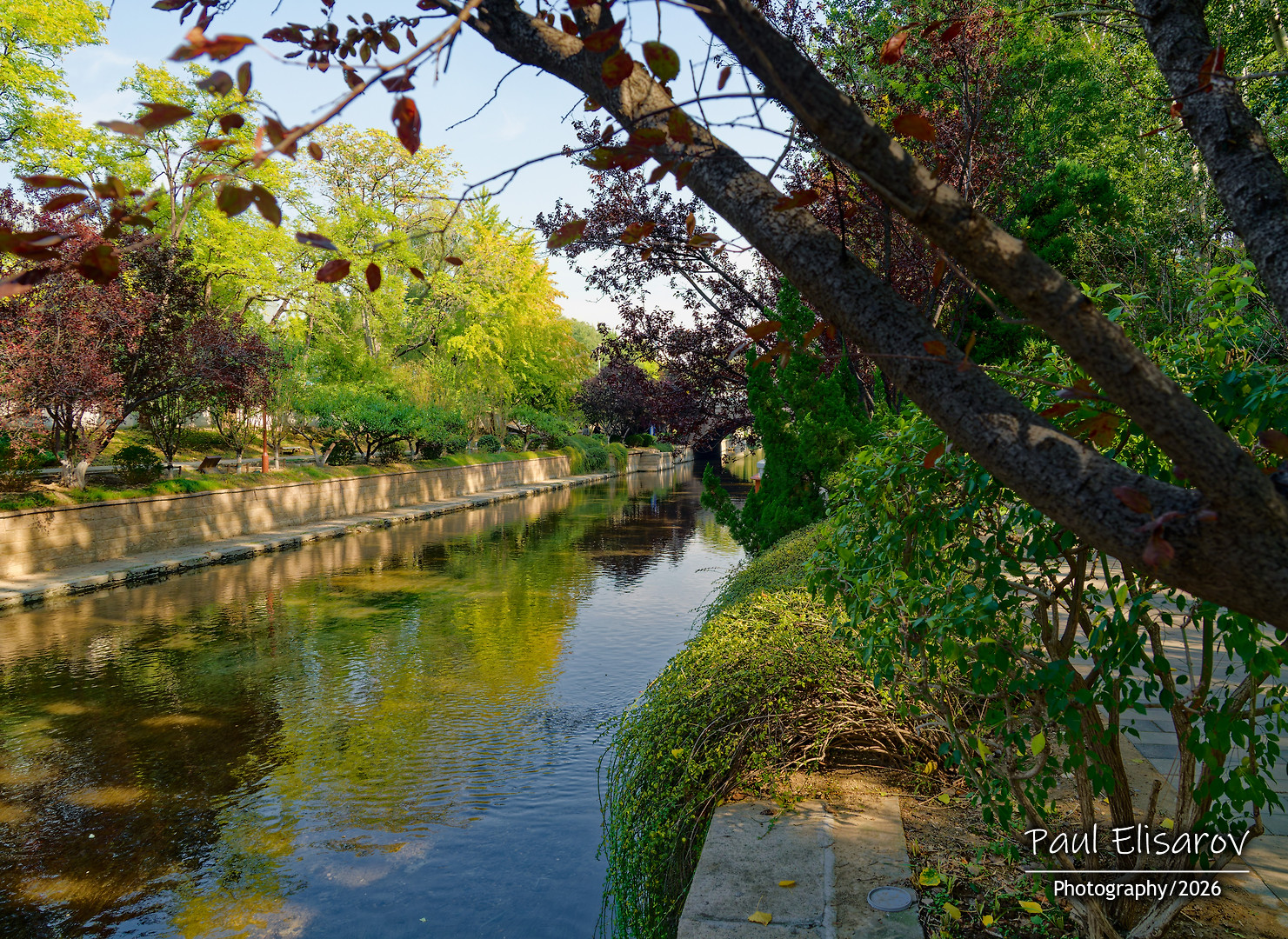
My Beijing: How I Remembered It pre-Covid and How I Found It in 2026
I’ve been to Beijing many times — eight or nine, I’ve lost count. The last time was in November 2019, just as the world was starting to freeze before Covid. Then came a long pause, and finally, seven years later, in October 2026, I flew back to the city I love so much for its incredible concentration of interesting places. What changed? A lot, but let me go step by step.
The Airport That Greets You with a “Starfish”
The first thing that hits you is, of course, the new Daxing Airport. Huge, shaped like a starfish, it really makes an impression. But it’s not just about size. This airport is a genuine breakthrough in how you can combine gigantic scale with care for the environment and for people.
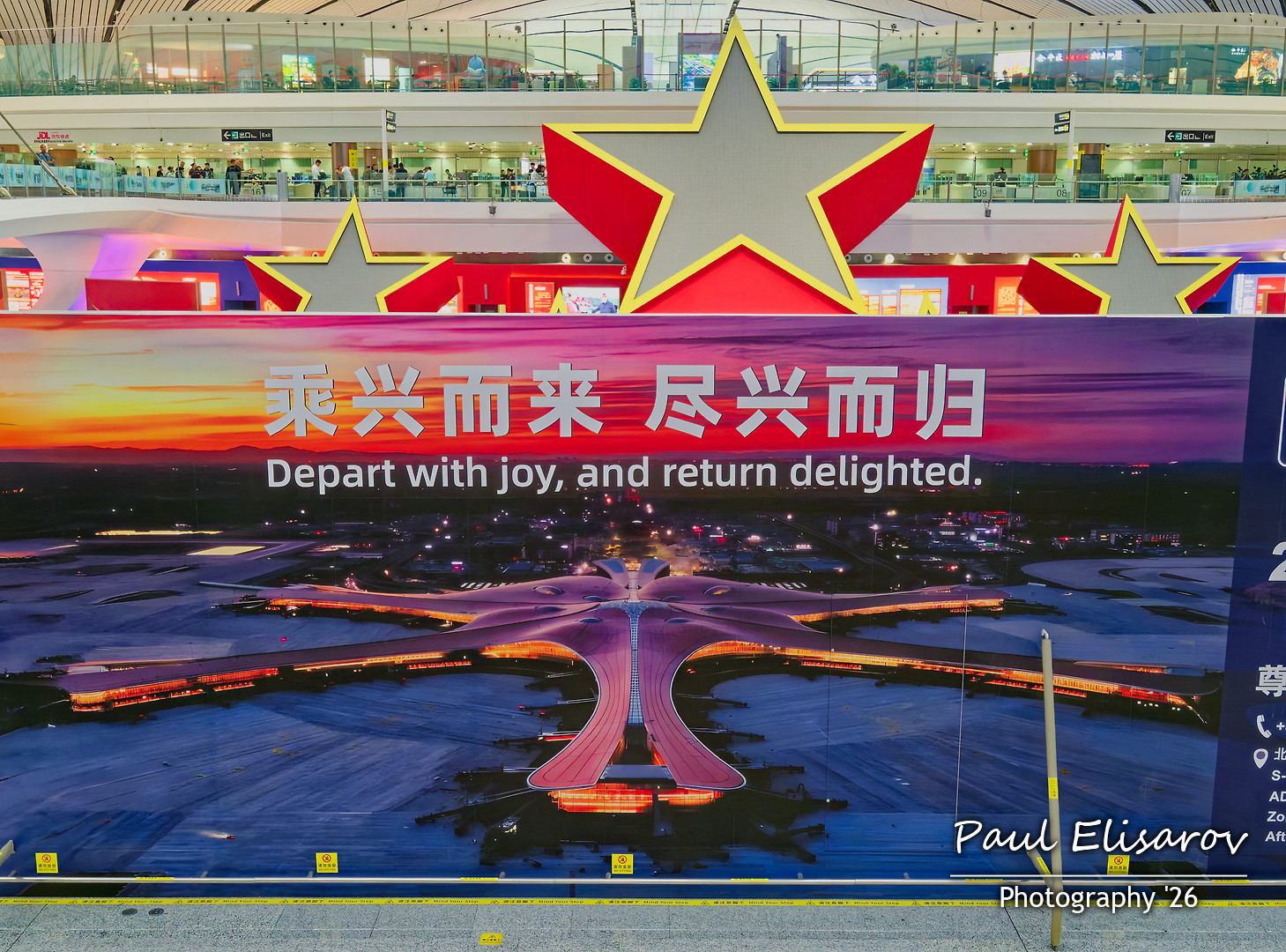
It is genuinely “green.” The project was designed from the start with a focus on sustainability and energy efficiency. Solar panels are installed here, providing at least 10 MW of power, and the heating system uses heat pumps and heat recovery. But the most interesting part is the water system. The airport collects rainwater and purifies it naturally in specially created wetlands, lakes, and streams. This system can manage almost 2.8 million cubic meters of water, preventing flooding and combating the “heat island” effect.
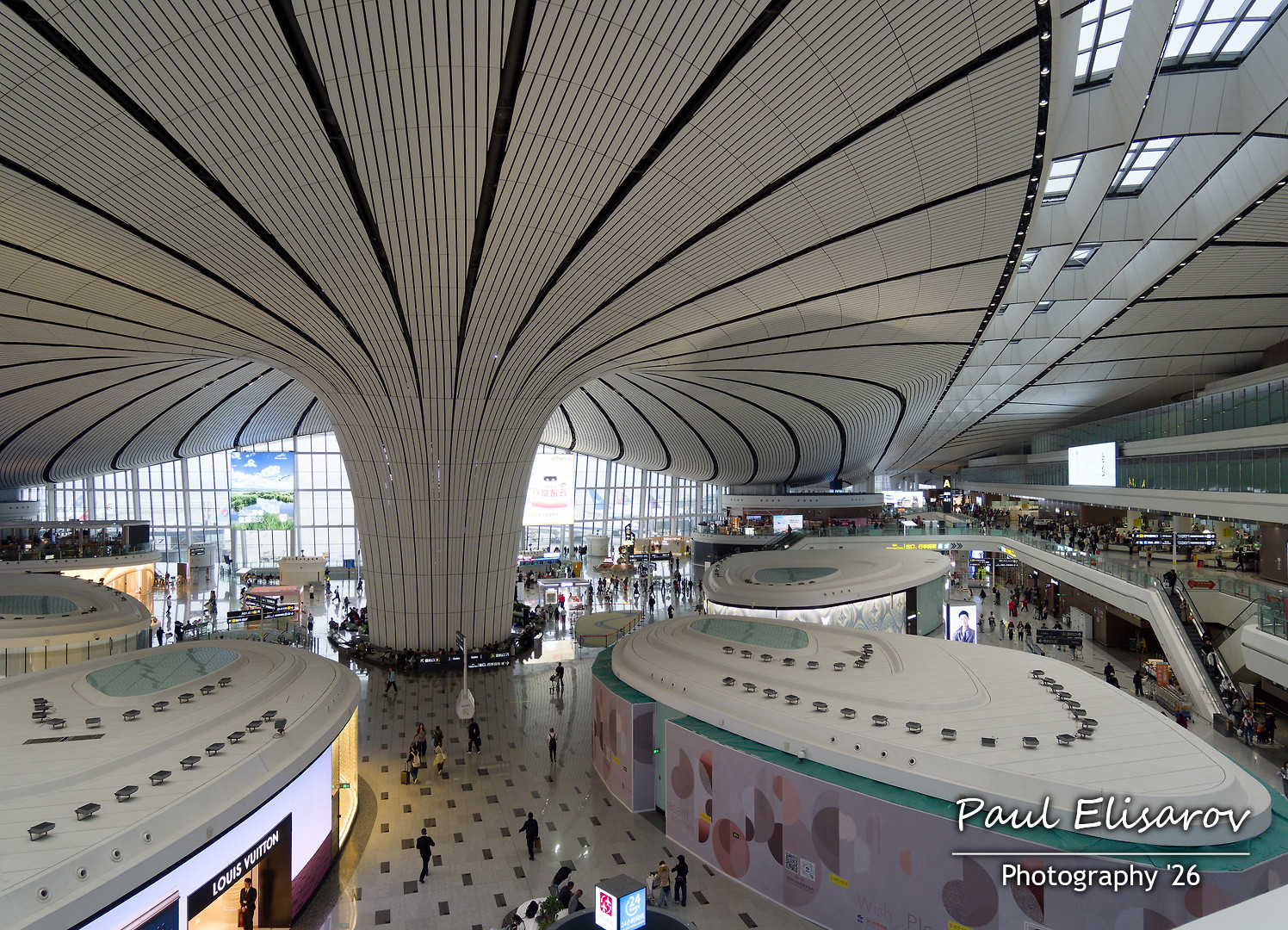
Designed by Zaha Hadid’s firm, the 700,000-square-meter terminal is the world’s largest single passenger terminal. Its main feature is that the central space is completely free of additional supports. The entire roof is held up by eight giant “C-shaped” columns around the perimeter. This is not just beautiful — it creates a sense of incredible spaciousness and lets passengers find their way intuitively.
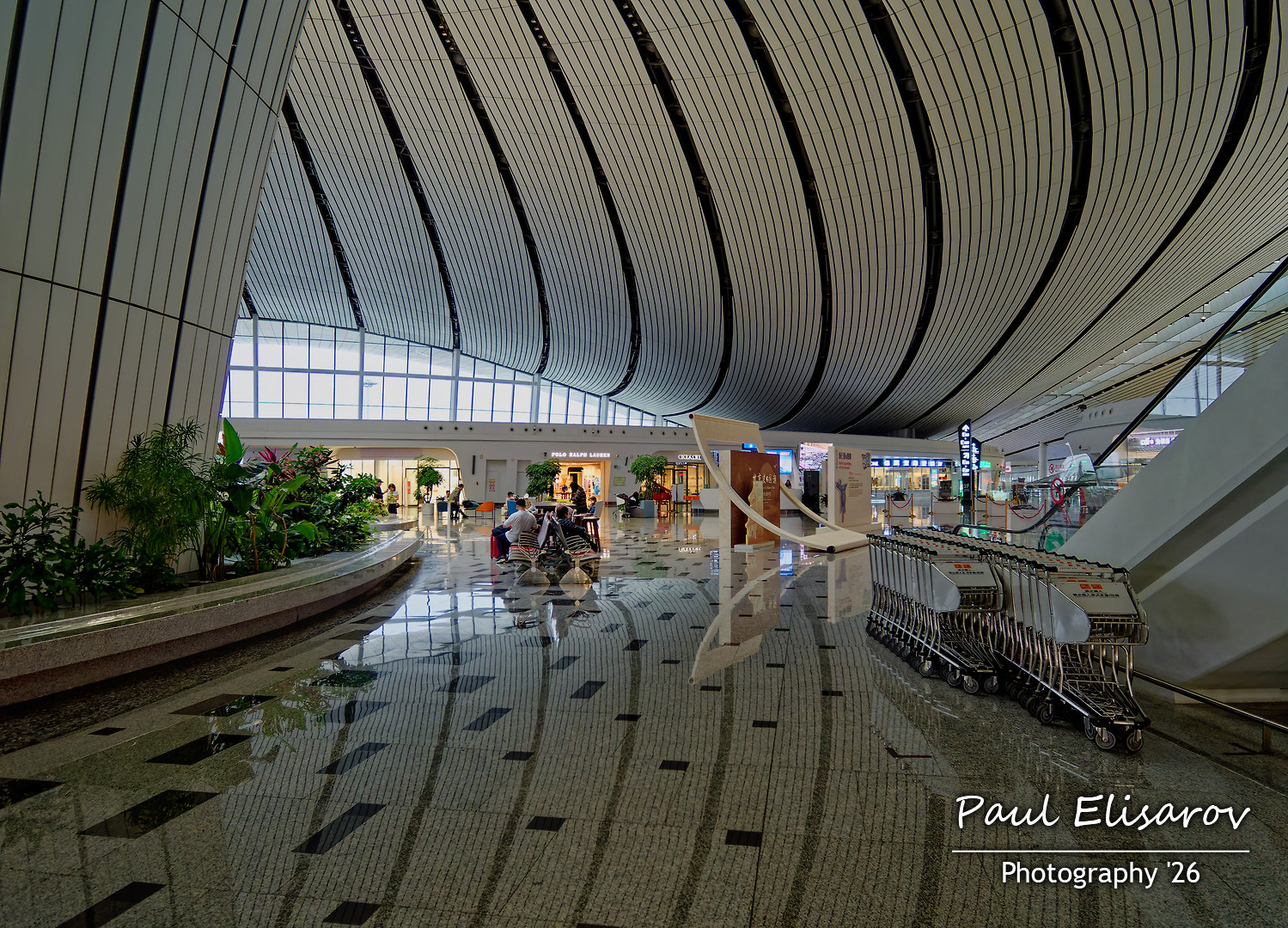
It is impossible to get lost here. The radial star-shaped layout is not an architect’s whim but a cold calculation. From the central hall, six “rays” — galleries — lead off in different directions to the boarding gates. Thanks to this logic, the farthest gate is no more than 600 meters from the center, and the walk from security to the gate takes no more than eight minutes. In ordinary airports with their endless corridors, that’s hard to imagine.
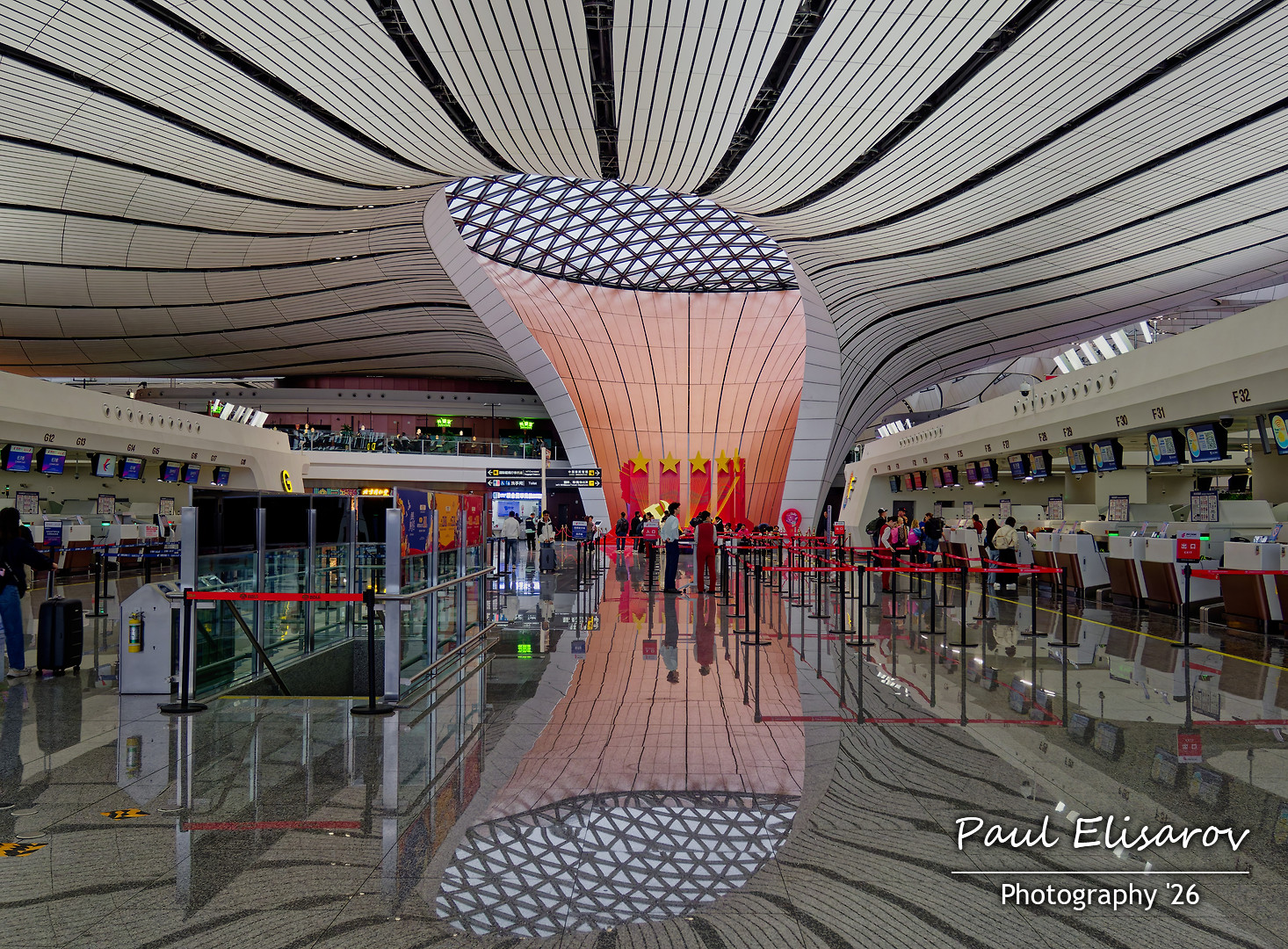
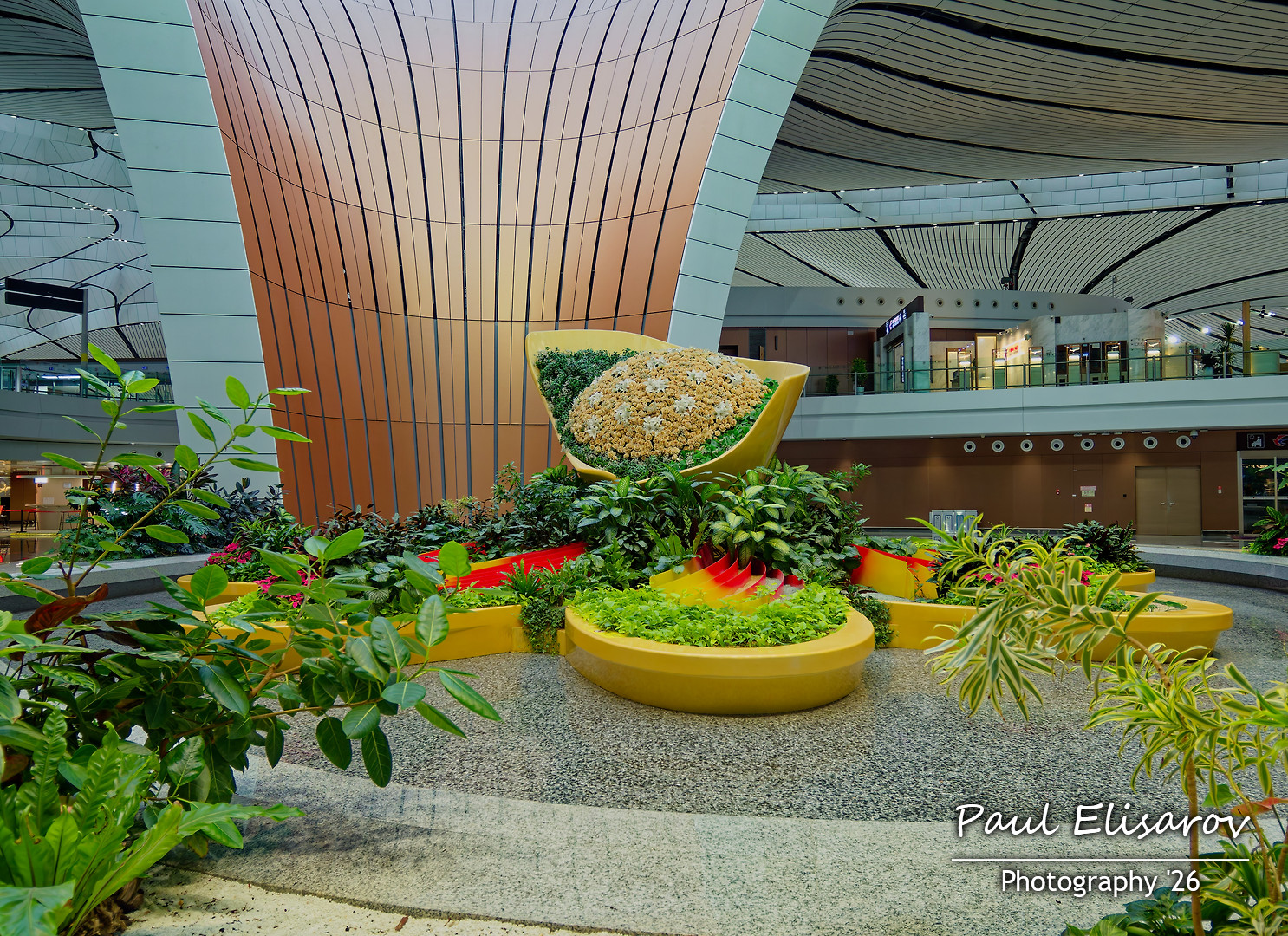
It is not just a transport hub but a place of power. Inside the terminal there are themed Chinese gardens with live plants, fountains, and authentic architecture. In addition, all key functions are combined under one roof: arrivals, departures, transit, duty-free, cafes, and control — everything revolves around a single center, which makes moving through the airport incredibly fast and convenient.
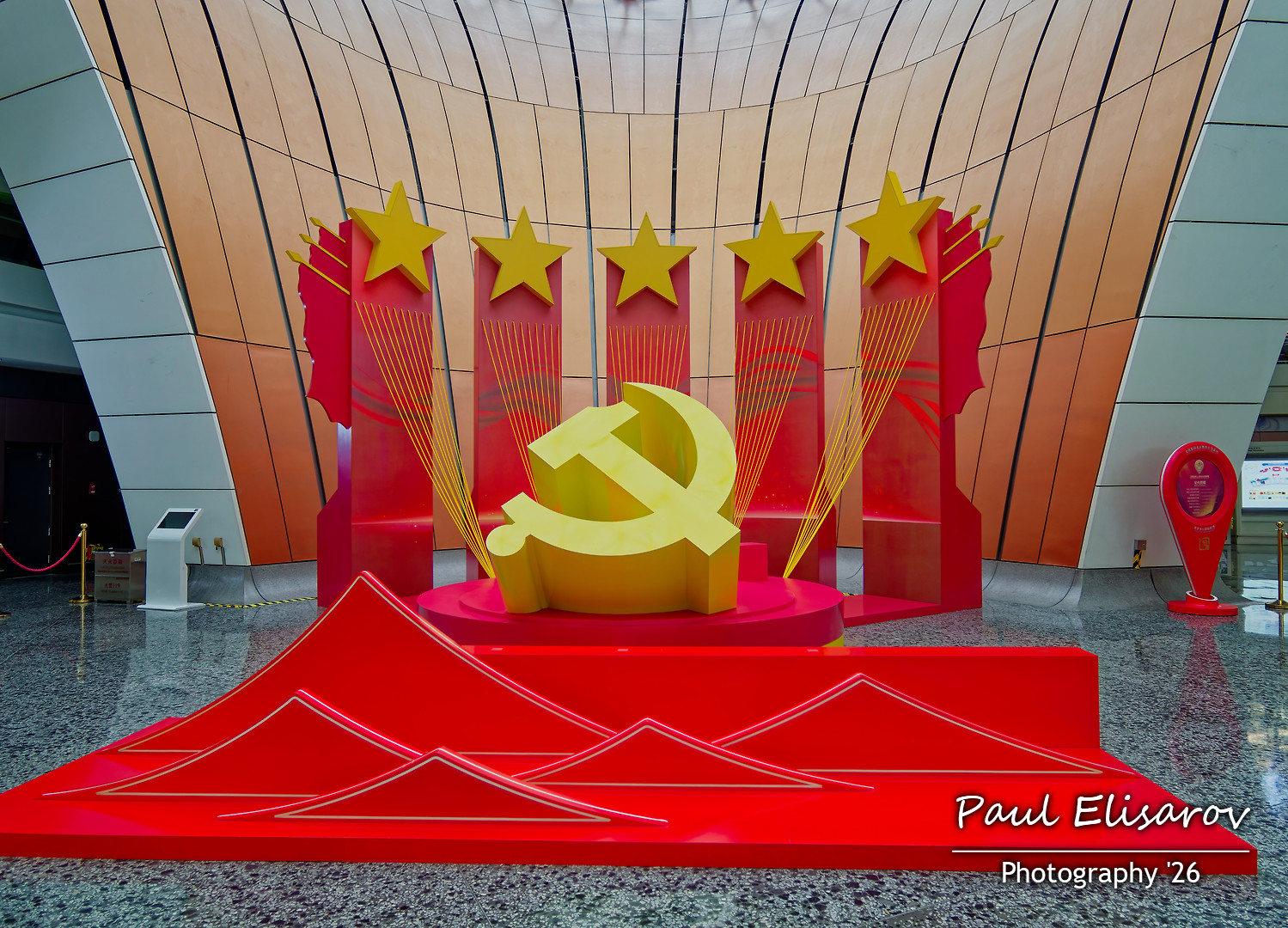
However, despite all this beauty, there was one “but.” Both on arrival and on departure, it was hot and stuffy in this gigantic building. Maybe that’s because the airport is not fully operational yet, or maybe they are simply saving on air conditioning. But the fact remains: spending a couple of hours there was uncomfortable.
 A City That Has Become Quieter and More Convenient
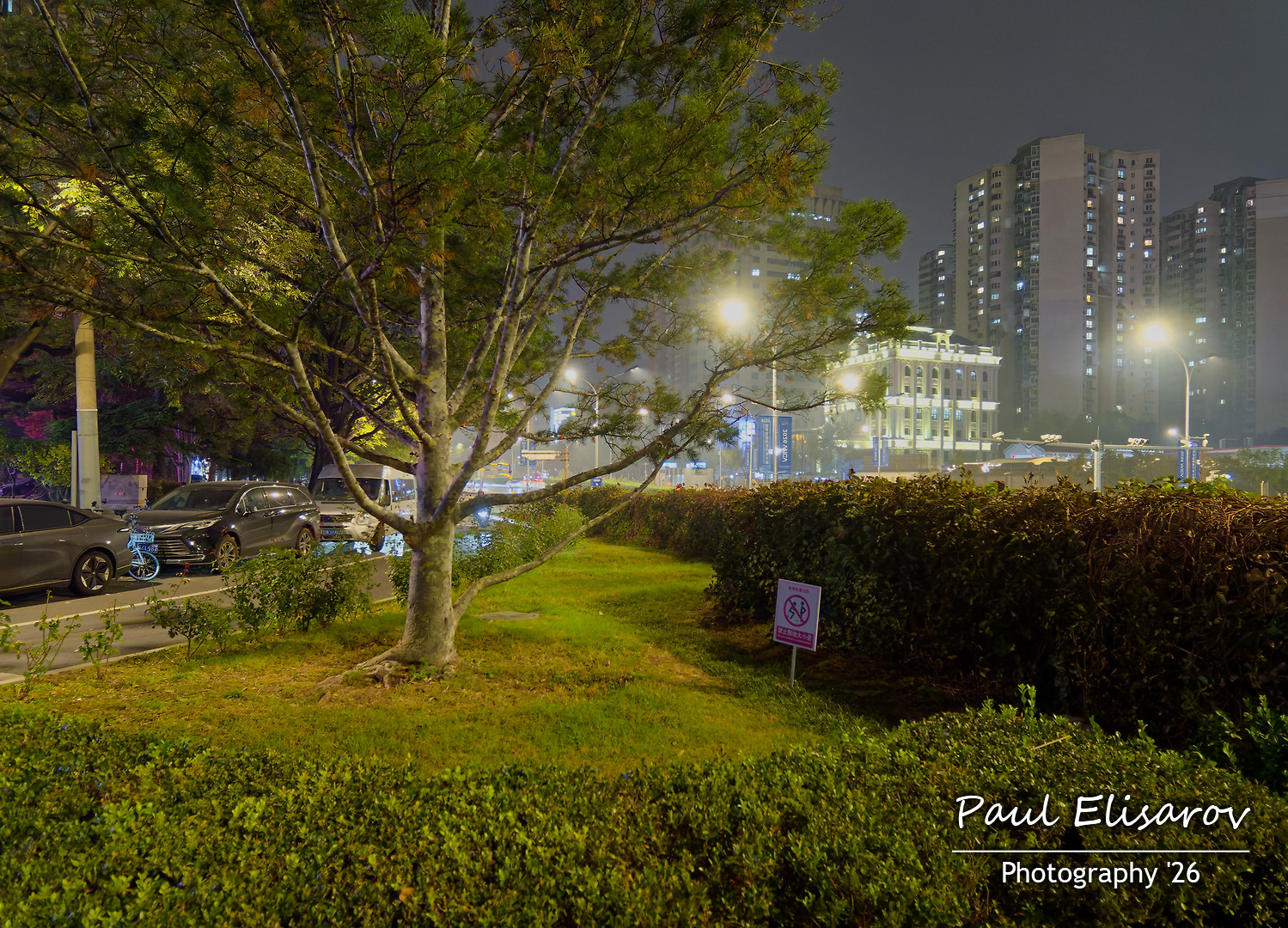
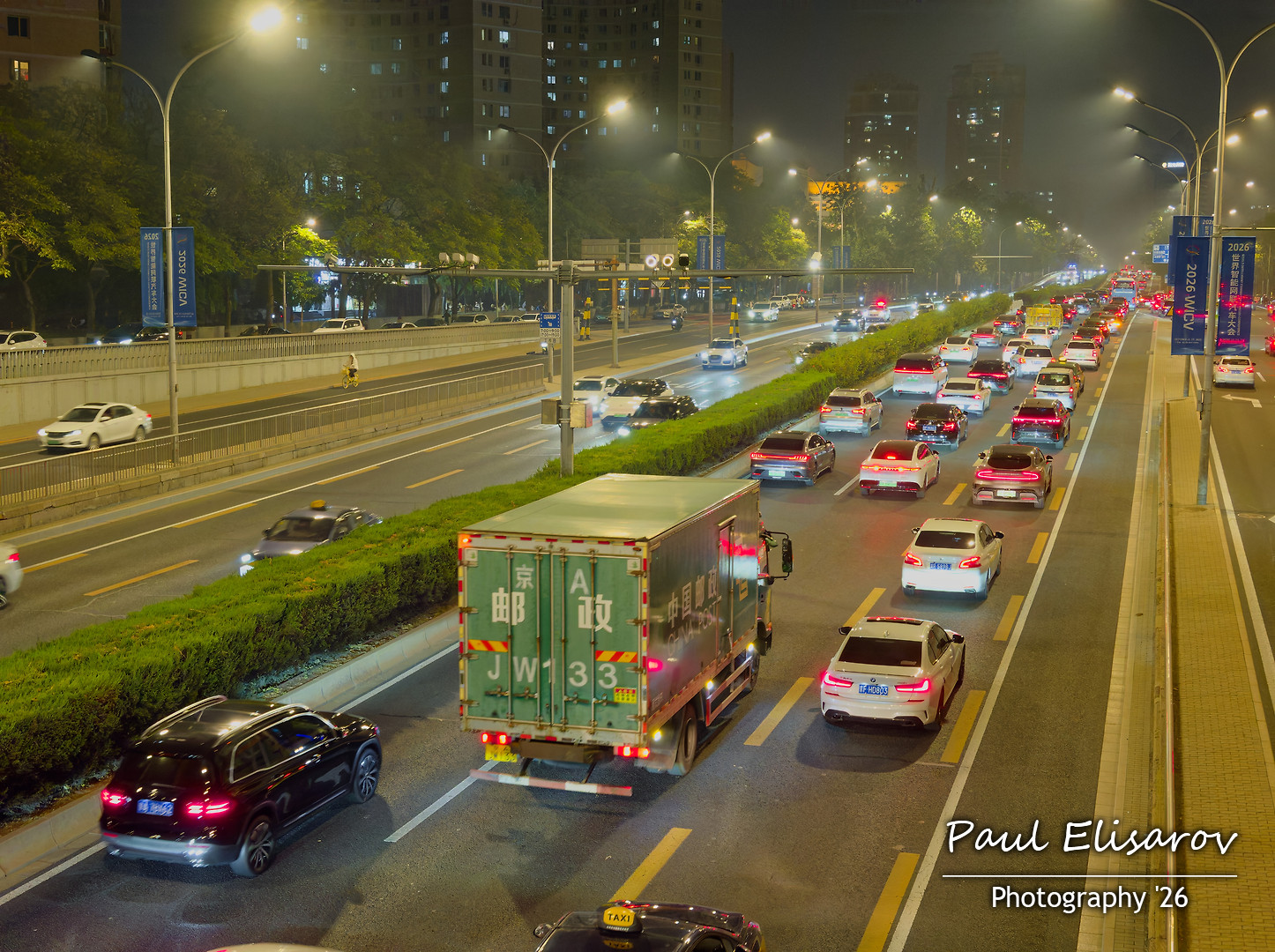
Coming out of the airport, I found myself in a city that, on the one hand, remained the same, and on the other, had noticeably changed. First of all, Beijing’s streets have gone quiet. Electric motors are everywhere: even if they’re not pure electric cars, they’re certainly hybrids, which don’t roar but hum quietly. There are very, very many electric cars. It’s funny that when you order the cheapest taxi, you can often end up riding in a Tesla. Though Chinese cars are no less comfortable.
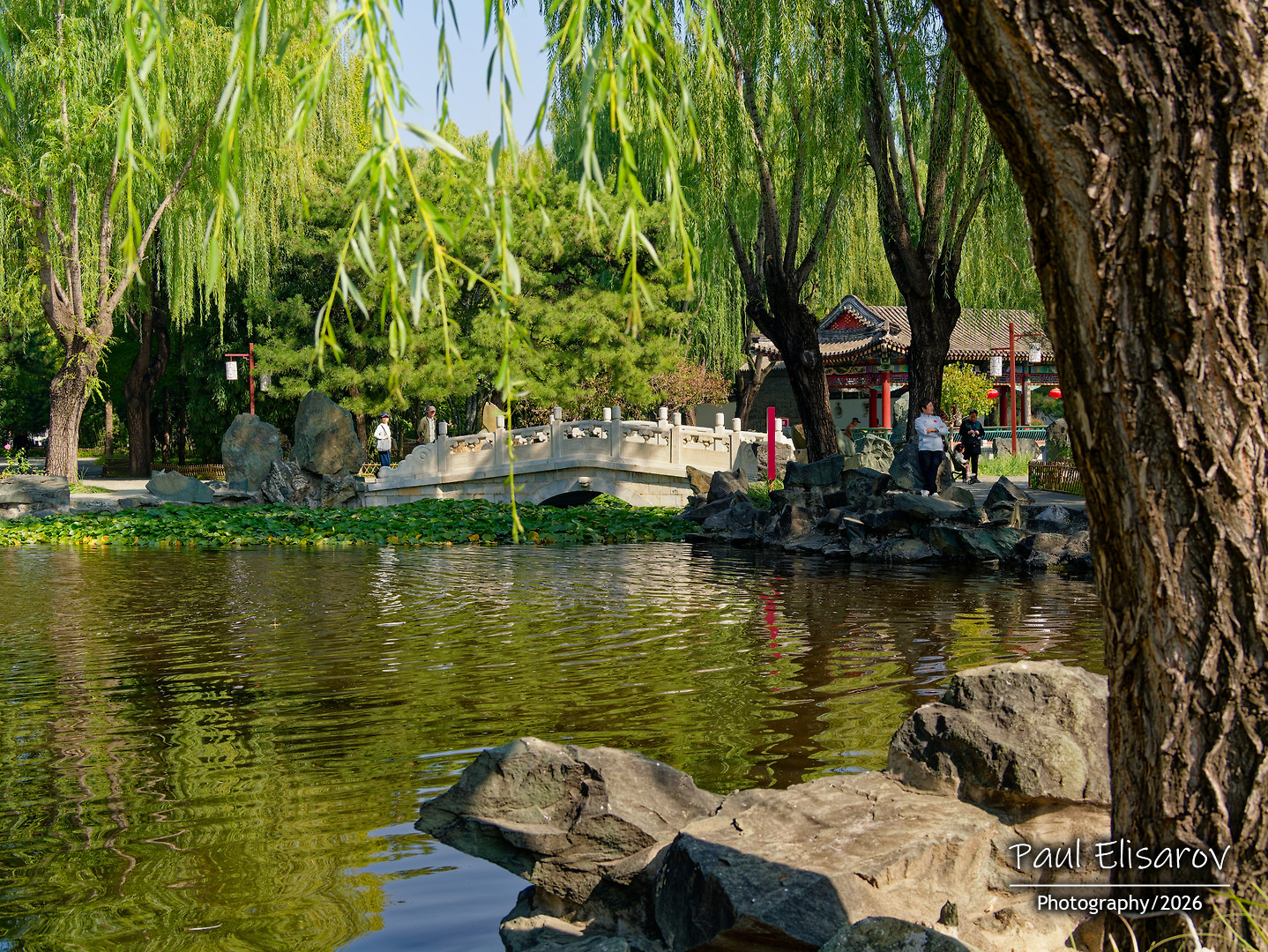
If I used to hail taxis by hand on the street, now it’s only through the DiDi app. That has become the norm. By the way, this was the first trip where I didn’t touch paper yuan at all. All payments went through WeChat, linked to my Malaysian Visa card. However, once, in Daguan Yuan Park (大观园), I got stuck: they only accepted cash there. And then something happened that reminded me of the city’s main wealth — its people. A Chinese couple paid for me and flatly refused to take my money. The Chinese are still very friendly and always ready to help.
 Hypermarkets Died, and Knives Became Hard to Buy
What really upset me was the de facto death of hypermarkets. A map search for “Hypermarket” gives no results at all. Carrefour, as far as I understand, has left China. Walmart remains, but its stores now barely resemble what they once were: the assortment is smaller, and mostly it’s their own products.
Another interesting feature is that supermarkets don’t sell knives. There are kitchenware departments, but no knives there. I decided to look into why. It turns out this is no accident. The Chinese government back in 2008, ahead of the Olympics, introduced strict restrictions on the free sale of knives for security reasons. You simply won’t find them in ordinary stores, and in specialized places you may be asked for your passport and even have your data entered into a police database.
So where can you buy a knife if you just need one to cut fruit in a hotel? There are several options. First, you can look for specialized departments in large chain stores or markets. Second, online platforms like Taobao or JD.com come to the rescue, where you can order same-day delivery. And third, in a pinch, you can make do with a vegetable peeler or a very small knife, which are sold freely.
 The Metro Has Grown to the Skies
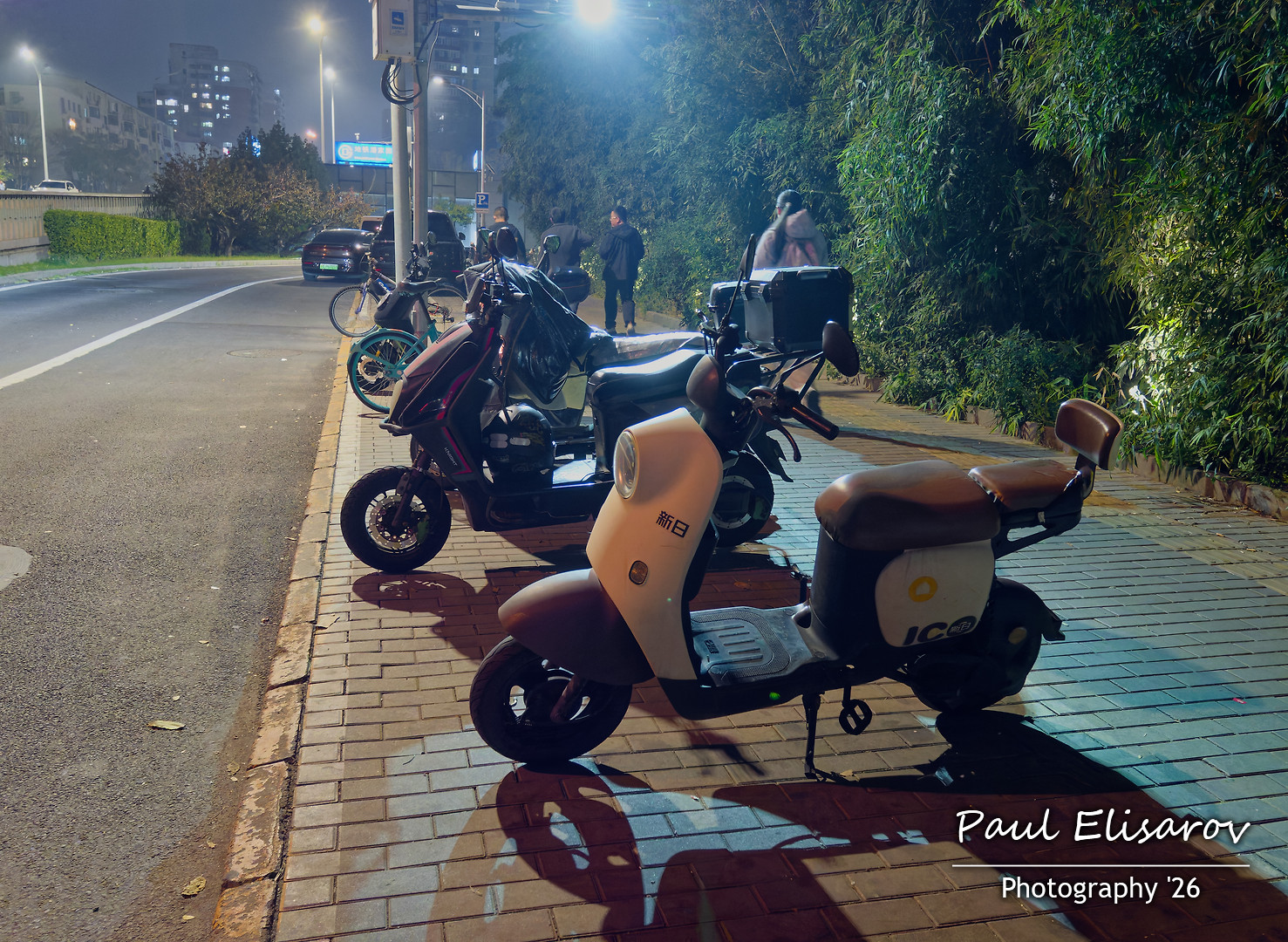
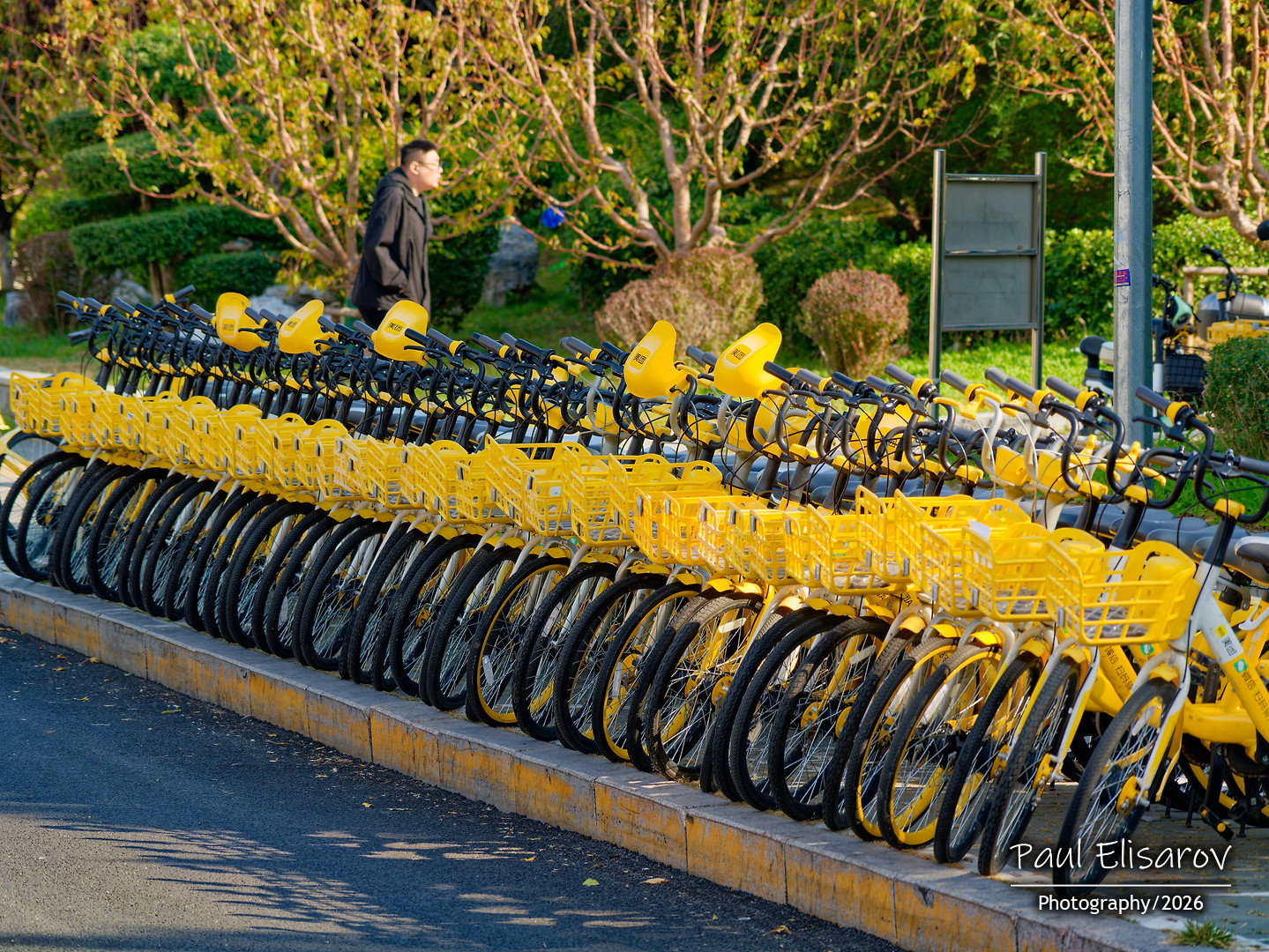
The metro has grown very, very strongly. Though this process has been going on continuously since the 2000s. If in 2020, at the time of my previous visit, the total length of the lines was 727 km, then by the end of 2025, according to the 14th Five-Year Plan, it was supposed to reach 909 km. The number of stations grew from 428 to 524, and the number of transfer hubs reached one hundred. The metro has become even more ubiquitous and convenient. But, as always, each station has lots of bikes parked near it.
 Prices: Whiskey Cheaper, Noodles More Expensive
My favorite price gauge — the price of a bottle of whiskey — even went down in the same store. For a very long time, a bottle of Ballantine’s at Wumart cost 114 yuan. In 2026, it began to cost 99. That’s a pleasant surprise.
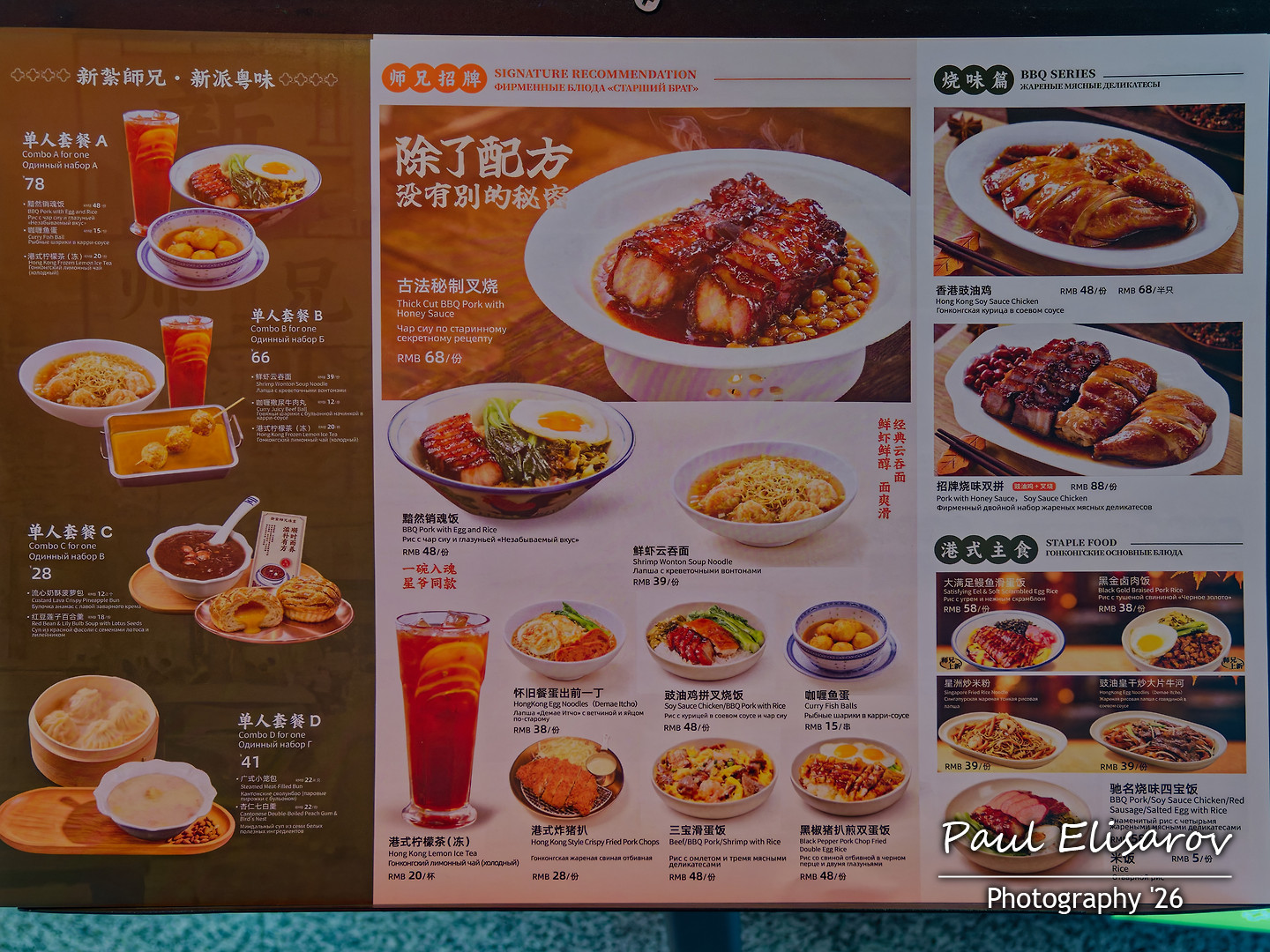
But with street food, it’s the opposite. The price of a bowl of noodles in street noodle shops is still rising, albeit just a little. In 2010, it cost 13–15 yuan, and in 2026, in roughly the same kinds of places, it costs 24–28. That’s over 16 years, I emphasize. And even in the Airport the prices are acceptable... McDonald’s, meanwhile, has become very bad value and frankly silly: burgers are expensive, small, and uninspiring. In short, just as I didn’t eat at McDonald’s in Beijing before, I won’t now.
 Shopping Places: Some Died, Some Flourished
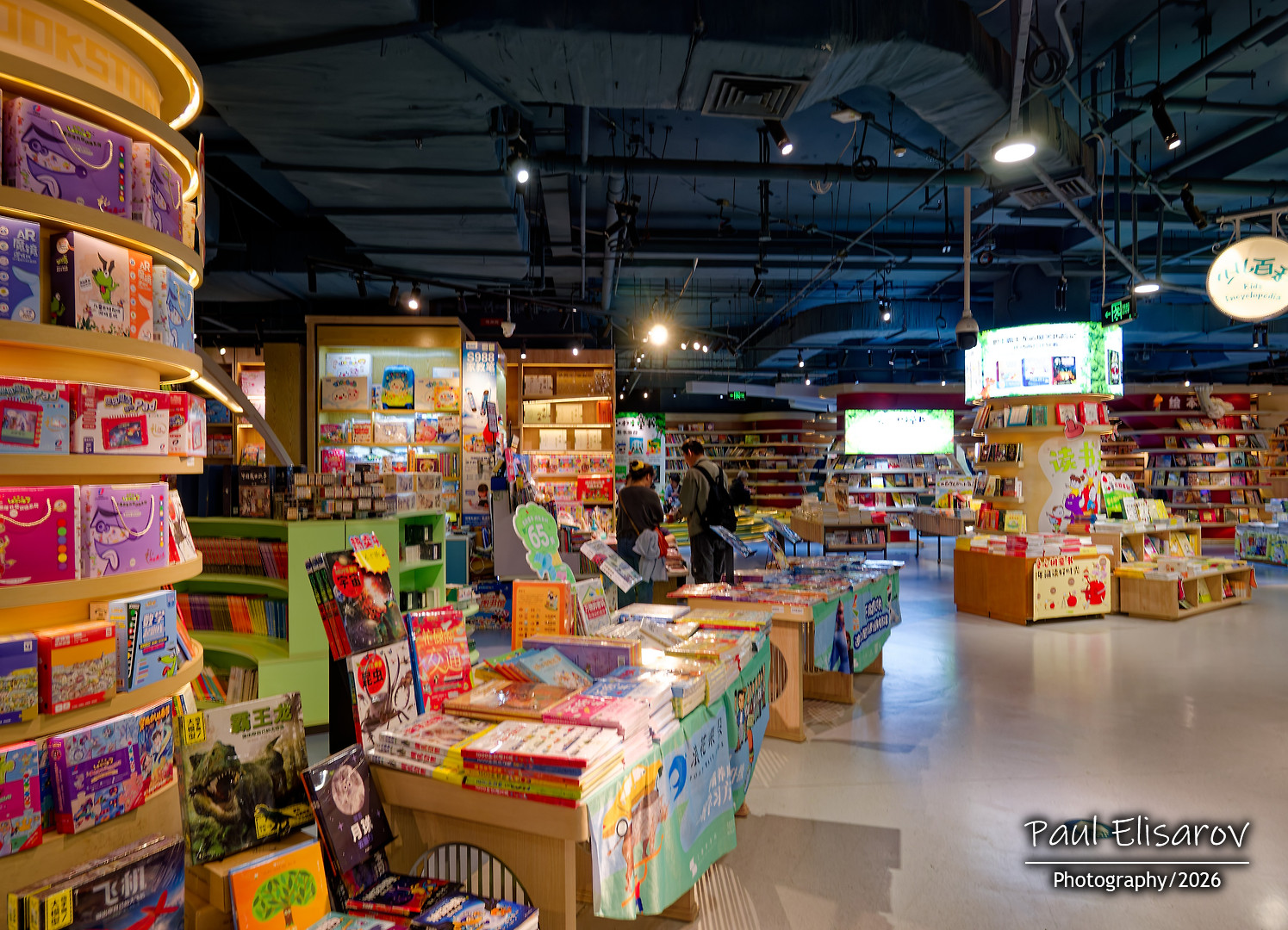
Wangfujing Street (王府井) really disappointed me. The markets and street cafes that used to surround it in the alleys are gone, and that was the most interesting part of it. The legendary “snack street” has also disappeared — the street where in the evening they sold all sorts of things, from simple kebabs to snakes and scorpions on sticks. It’s a real shame; it was a colorful place. Instead, in the buildings there are now a few retail outlets where they push all sorts of junk at three times the local price. Verdict: there’s nothing to do on Wangfujing now. Except maybe drop into the huge bookstore — that is still good, but there are fewer people there.
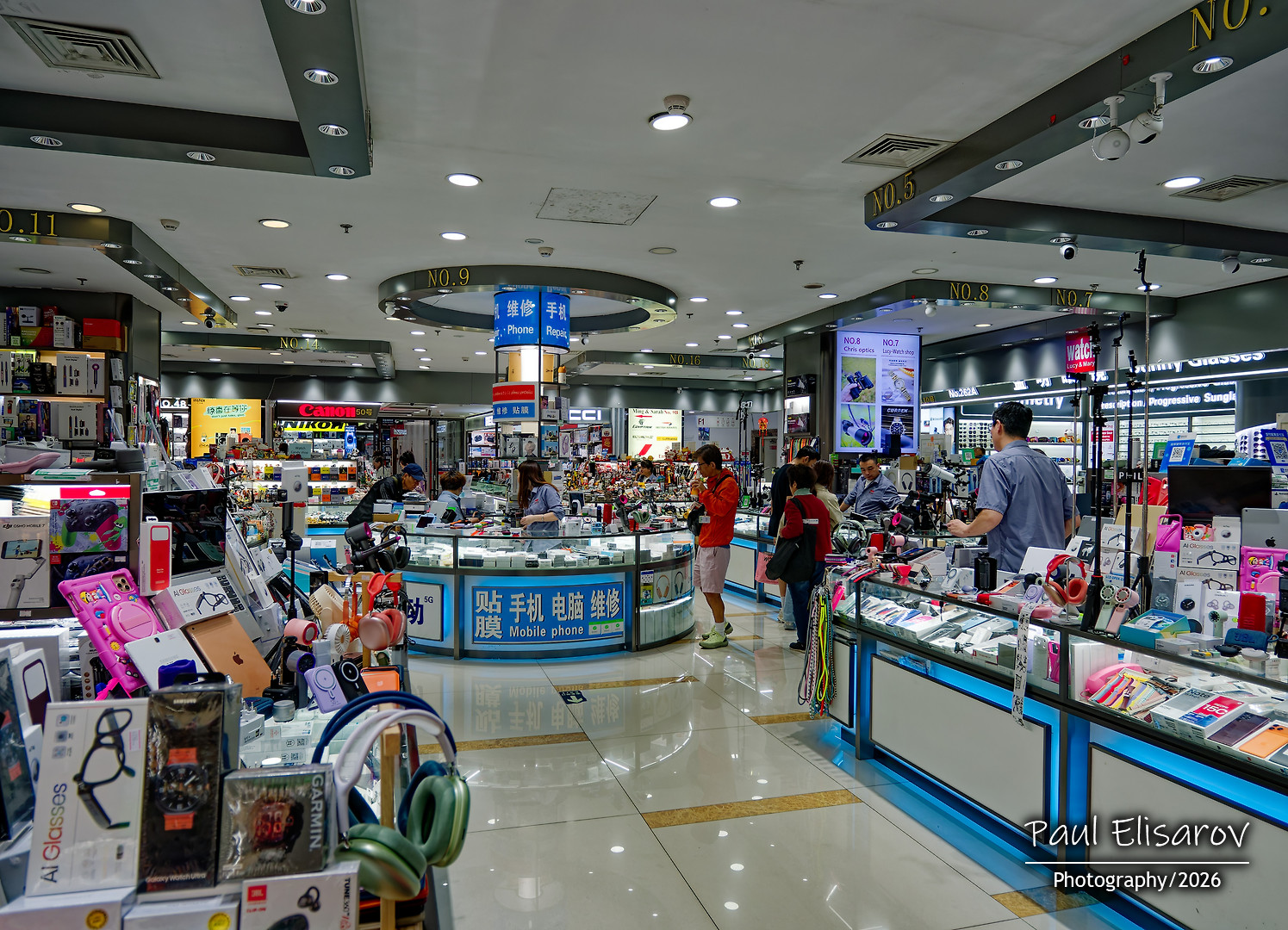
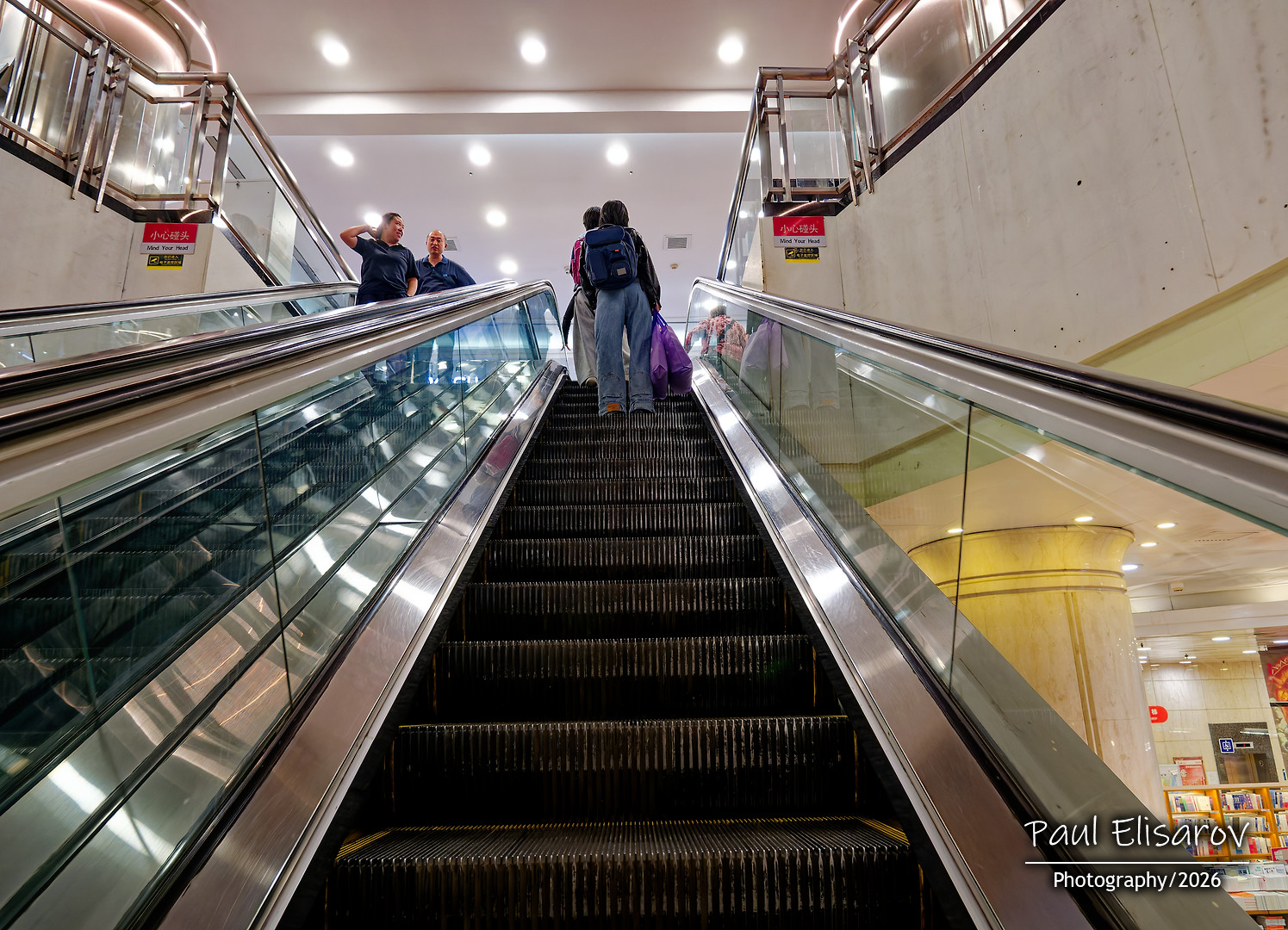
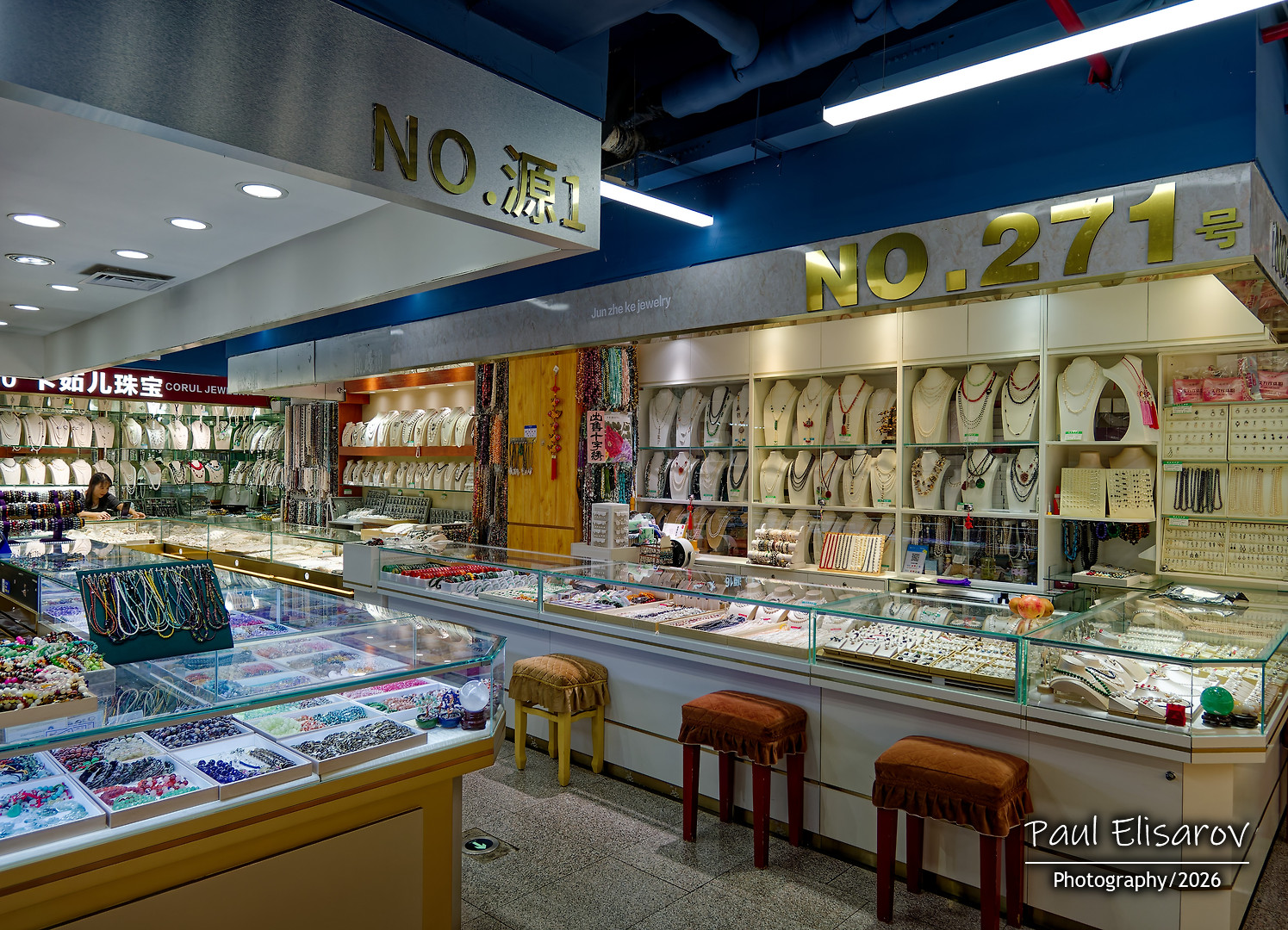
The Pearl Market (红桥市场, Hongqiao Market) by the east gate of the Temple of Heaven. They still sell a lot of pearls on floors 2 and 3. There are both imported sea pearls and Chinese freshwater pearls. If you walk farther from the escalator, you’ll find shops that get pearls directly from the factories — there you can choose pearls for yourself and have them turned into jewelry in front of you. But the first floor of this market has become a sad sight. Once it was buzzing with phones and fake laptops (which nevertheless worked excellently), but now it’s just power banks, tripods, and all that at triple the price, plus bad low-quality Chinese teas.
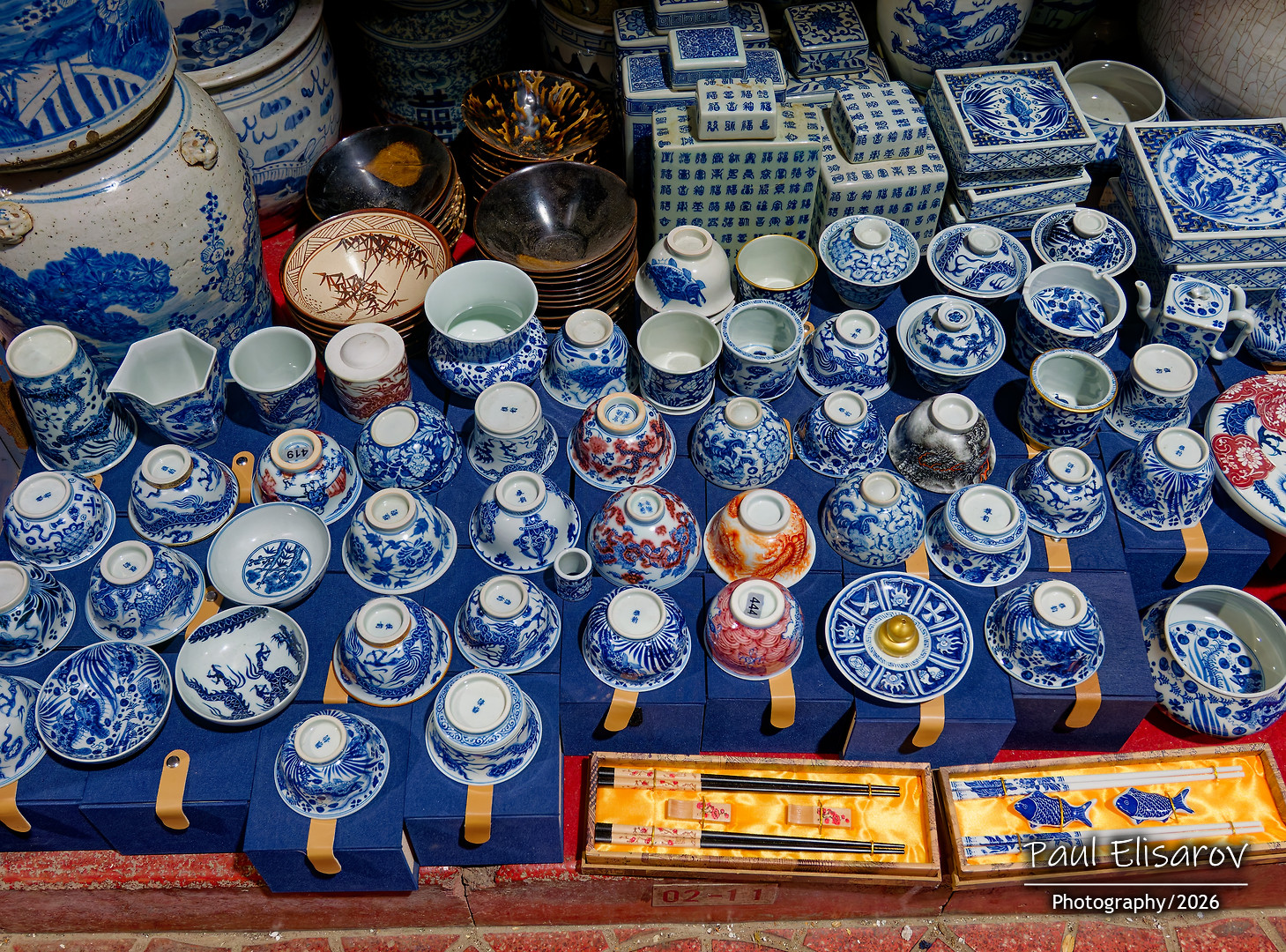
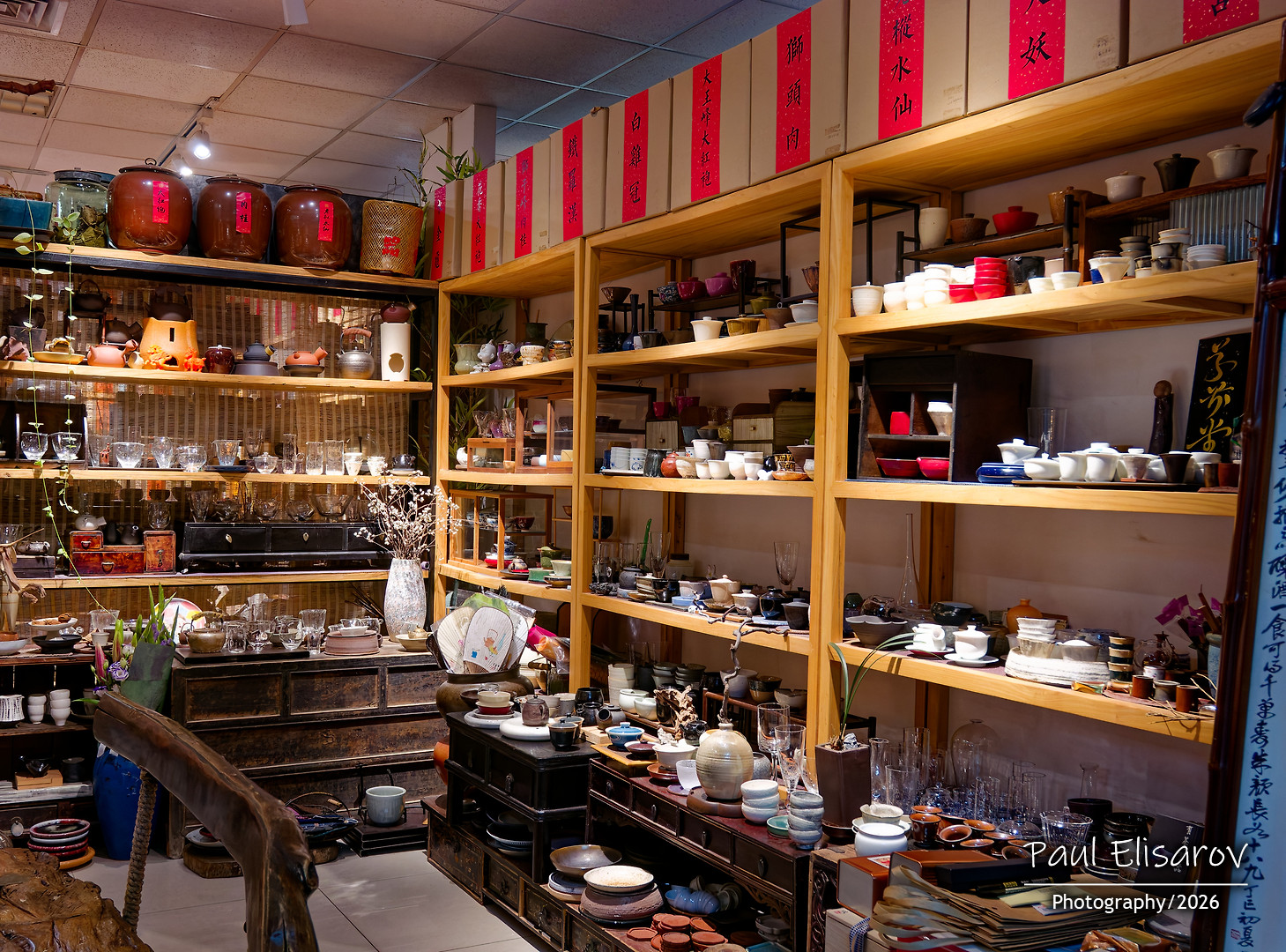
The tea market on Maliandao Street (马连道) — that’s where the teas were good and remain good! This is the “First Tea Street of China,” the largest tea market in northern China. There is also plenty of tea ware — for simple needs and for very demanding ones: expensive teapots and cups will surprise you, I think. And of course, there is a lot of excellent tea here. I finally managed to buy my favorite Zhuye Qing (竹叶青), a rare green tea from Sichuan. There they told me once again that I choose tea like a Chinese person, not like a European.
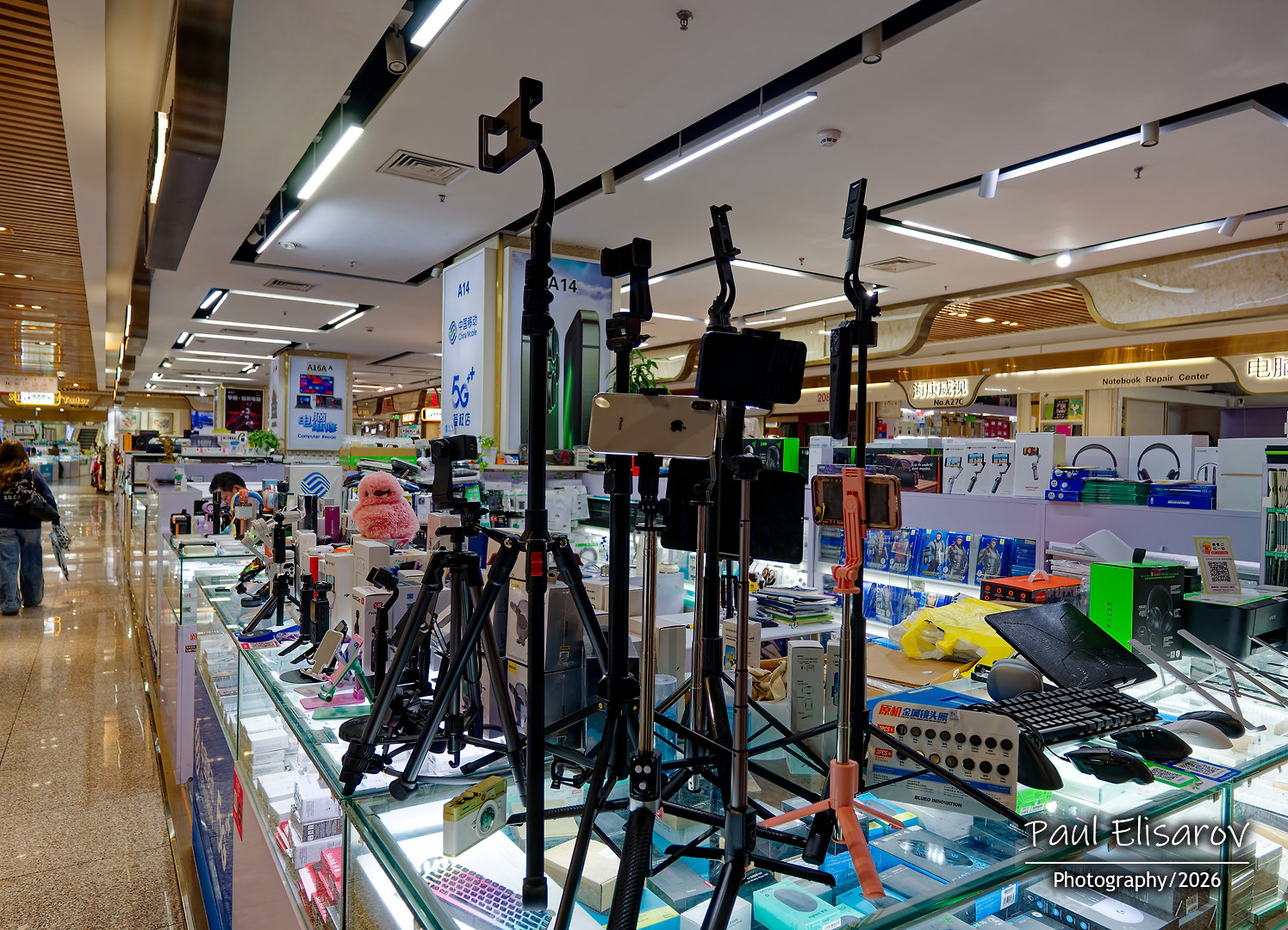
The top floor of this market is occupied by a photo market. And there I saw a kind of photographic post-apocalypse, or hell, if you like. Huge piles of DSLRs and lenses for them, in places literally “piles” — there are so many that probably no one wants to sort them out anymore. It clearly shows the end of the DSLR era. But another photo market — Beijing Wukesong Photo Equipment Mall (北京五棵松摄影器材城) — is now a kind of photo paradise. Everything is new, neat photo exhibitions, marble floors. There are now flagship photo stores of any camera company, and less official sellers too.
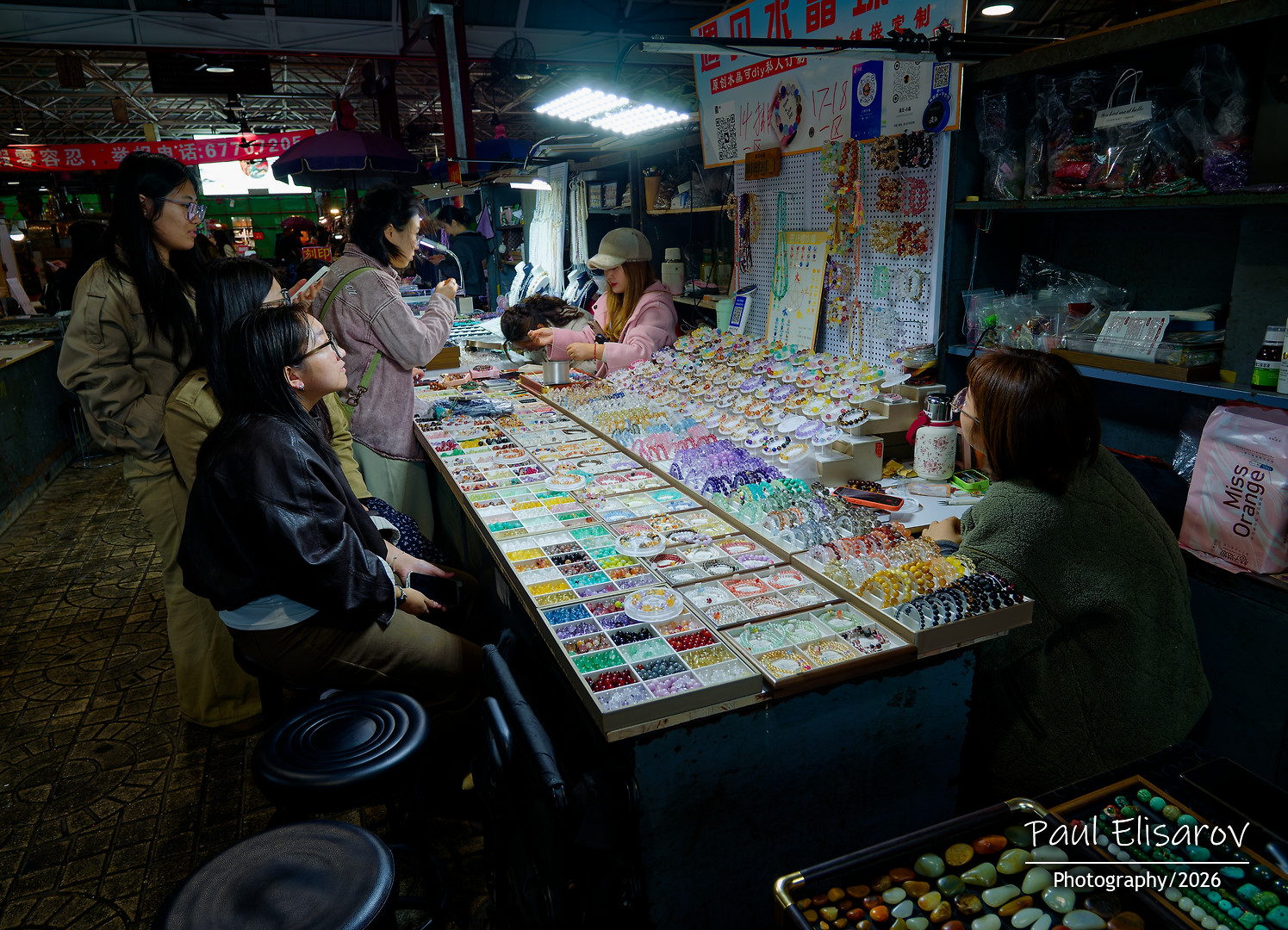
And finally — Panjiayuan (潘家园), conventionally called a flea market. It still exists, in the same place, and it still sells everything you can imagine among things that can decorate you or your home. But this market has become much better. First, it has become almost entirely covered, often with awnings, but nevertheless it works in the rain. Second, it now has its own food stalls with excellent food — varied, inexpensive, and tasty. And third, if it used to close at 4 p.m., and in practice even earlier, now it works until late, and in the evening it’s full of people! In short, Panjiayuan has become better, stronger, and even more interesting!
 Verdict
These are my impressions of my beloved Beijing, which survived Covid and remained itself no matter what. The city has become quieter, more technological, and in some ways more convenient, but at the same time it has preserved its spirit, its smells, and its amazing ability to surprise. The air still smells of food, small shops are everywhere, rental bikes and scooters dart around everywhere, as before. Beijing is a city that changes but remains true to itself.
And I already miss it.
👁
11 views